How to Build a Fashion Retail Experience That Drives Loyalty: Omnichannel, Personalization & Sustainable Design
Fashion retail experience now means selling more than garments — it’s about moments, convenience, and values. Consumers expect stores and brands to work together across channels, anticipate needs, and create memorable interactions that make shopping effortless and enjoyable. Retailers that prioritize experience see stronger loyalty, higher conversion, and better word-of-mouth.
What shapes a standout fashion retail experience
Omnichannel harmony
Shoppers move fluidly between mobile, web, and physical stores. A consistent brand voice, unified product data, and real-time inventory visibility let customers start a journey on one channel and finish it on another without friction. Features that matter: buy online pick up in store (BOPIS), reserve-in-store, and seamless returns across channels.
Personalization that feels human
Generic recommendations are easy to ignore. Personalized styling, curated edits, and contextual messaging — based on purchase history, browsing patterns, and stated preferences — make a difference. Use data to suggest complementary items, suggest better-fitting sizes, or offer tailored promotions that genuinely match customer needs.
Experience-first store design
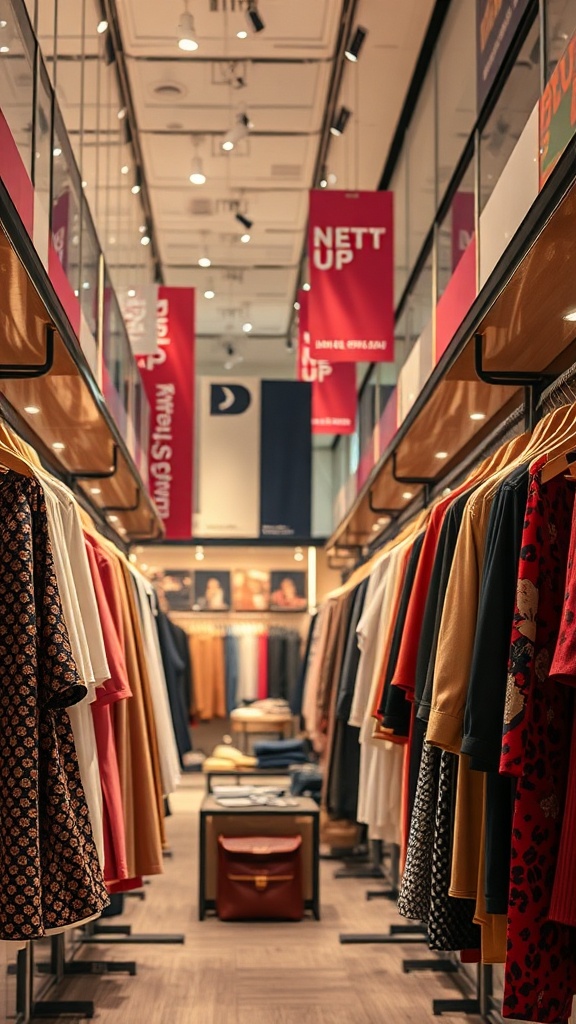
Physical stores should offer something digital cannot: touch, fitting, social moments, and expert service. Think immersive displays, flexible fitting rooms with good lighting and mirrors, and dedicated styling zones for events or private appointments.
Pop-ups, collaborations, and limited-edition drops keep the in-store offering fresh and newsworthy.
Smart tech for better fit and speed
Digital tools that remove friction are now table stakes. Virtual try-on, body-measurement tools, and intelligent size guidance reduce returns and increase confidence. Contactless payments, mobile checkout, and quick fulfillment options speed transactions and improve satisfaction without sacrificing the human touch.
Sustainability as experience
Shoppers increasingly expect transparency about materials, supply chains, and longevity. Communicating sustainable practices through clear labeling, in-store storytelling, or repair and resale programs adds value and aligns purchase decisions with customer values.
Offering visible repair stations or trade-in programs turns sustainability into a service.
Staff as brand ambassadors
Well-trained, empowered staff can elevate the experience more than any display. Invest in product knowledge, styling skills, and customer service training.
Provide store associates with access to inventory, customer profiles, and fulfillment tools so they can act as personal stylists and troubleshooters — not just cashiers.
Loyalty that rewards engagement
Innovative loyalty programs move beyond discounts. Reward behaviors like recycling garments, attending events, or engaging with styling content.
Tiered benefits, early access, and personalized offers keep customers invested and increase lifetime value.
Practical steps to improve the experience now
– Audit the customer journey: map touchpoints and remove friction in checkout, returns, and appointment booking.
– Unify product and inventory data: consistent information reduces errors and improves omnichannel service.
– Add experiential programming: host styling workshops, product launches, and community events that bring people into stores.
– Improve fit guidance: implement size recommendation tools and clear fit notes on product pages.
– Make sustainability visible: highlight material origins, certifications, and in-store repair or resale options.
– Train and equip staff: give associates mobile tools and authority to resolve issues and create surprises for loyal customers.
Creating a memorable fashion retail experience is an ongoing effort. Brands that combine thoughtful in-store moments with seamless digital convenience, relevant personalization, and clear values will turn occasional shoppers into brand advocates and build resilience in a competitive market.