How to Build a Local Fashion Community: A Practical Guide to Sustainable Neighborhood Style
Local fashion communities are where creativity, commerce, and culture meet at a neighborhood level. They connect designers, makers, stylists, boutiques, vintage hunters, and curious consumers through shared events, spaces, and online groups. When nurtured, these communities create a distinct style identity for a place while supporting sustainable, small-scale fashion economies.
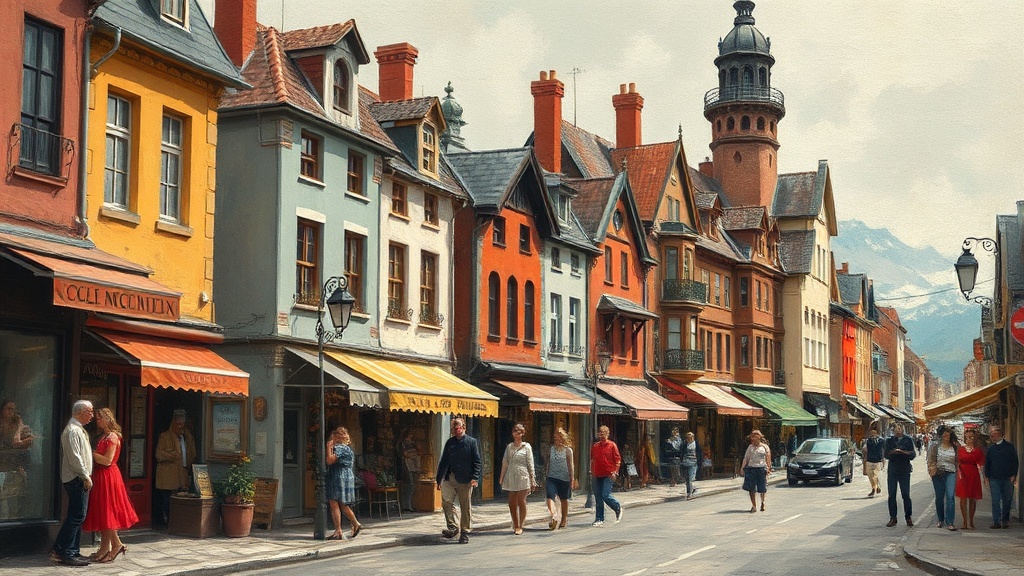
Why local fashion communities matter
– Distinctive identity: Local communities help cultivate a recognizable aesthetic tied to geography, climate, and culture. That identity draws visitors and builds pride among residents.
– Economic resilience: Supporting independent designers and small retailers keeps money circulating locally, creating jobs and encouraging entrepreneurship.
– Sustainability and circularity: Swap events, repair workshops, and vintage markets reduce waste and extend garment life—practices often organized at the community level.
– Skills exchange and mentorship: Emerging creators gain practical knowledge through workshops, studio visits, and informal mentorship from established makers.
How communities form and thrive
Local fashion communities grow around shared spaces and activities. Pop-up markets, design collective studios, maker hubs, and communal sewing rooms are physical anchors. Online groups—social media communities, messaging apps, and neighborhood platforms—amplify events, enable sales, and keep conversations going between meetups.
Key elements of a robust local fashion community
– Accessible spaces: Affordable retail and studio space, even temporary pop-ups, allow new voices to experiment without overwhelming risk.
– Regular programming: Markets, clothing swaps, repair cafes, and style panels create recurring touchpoints that build momentum.
– Cross-sector collaboration: Partnerships with cafes, galleries, textile suppliers, and local media expand reach and resources.
– Inclusive culture: Prioritizing diversity, accessibility, and varied price points helps the community reflect the neighborhood it serves.
Practical steps to get involved or start one
– Attend and support local events: Show up to markets and workshops, buy from independent designers, and tell friends about standout finds.
– Host a swap or repair night: These low-cost events invite people to declutter, learn mending skills, and connect over shared values.
– Create a digital hub: A simple website, Instagram account, or group chat can list makers, upcoming events, and volunteer opportunities.
– Partner with existing venues: Coffee shops, libraries, and community centers often welcome collaborative events that draw new audiences.
– Encourage mentorship programs: Pair experienced makers with newcomers for skill-building and business guidance.
Marketing and visibility tips
– Tell stories: Feature maker profiles, behind-the-scenes content, and videos that highlight craftsmanship and local materials.
– Leverage local press and influencers: Invite neighborhood journalists and style tastemakers to events for organic coverage.
– Optimize events for discovery: Use clear location tags, accessible hours, and multiple ticketing options to attract a broad audience.
Challenges to anticipate
– Rising rents can squeeze small makers, so collective ownership models or rotating pop-ups can provide relief.
– Balancing commercial viability with cultural authenticity requires transparent community governance and shared values.
– Ensuring accessibility—financial, physical, and cultural—takes ongoing attention and creative solutions like sliding-scale fees or free programming.
Local fashion communities are powerful engines for creativity, sustainability, and local identity when nurtured intentionally. Whether you’re a maker, shopper, or organizer, small actions—attending a market, hosting a repair clinic, or amplifying a designer’s story—help build a vivid, resilient neighborhood fashion scene.
Start small, stay consistent, and prioritize connection over commerce to keep the community vibrant.