How to Start and Grow a Local Fashion Community: Build Sustainable, Inclusive Style Hubs
Local fashion communities are reshaping how people discover, buy, and celebrate style.
By blending creative energy, local craftsmanship, and community-led events, these networks turn neighborhoods into micro-hubs of innovation and sustainable practice.
Whether you’re a designer, stylist, maker, or enthusiast, tapping into a local fashion community delivers benefits beyond trends: economic support for small businesses, stronger social ties, and more intentional consumption.
Why local fashion communities matter
– They amplify diverse voices. Local makers and models reflect the city’s cultural fabric, bringing authenticity that mass markets often miss.
– They boost small-business resilience. Pop-up shops, markets, and collaborative retail reduce overhead for designers while creating memorable shopping experiences.
– They encourage sustainable habits. Clothing swaps, repair workshops, and upcycling initiatives extend garment life and cut waste.
– They create actionable opportunities for learning and mentorship.
Meetups and workshops are fertile ground for skill-sharing, from pattern cutting to brand strategy.
How communities form and thrive
Local fashion communities form where creative minds meet consistent opportunities to connect—markets, co-working studios, shared production spaces, and regular events. Online tools accelerate discovery: geo-tagged posts, community hashtags, localized groups, and neighborhood newsletters help talent find one another and attract customers. Successful communities balance digital visibility with tangible experiences, like a weekend market or a themed styling night at a café.
Practical ways to get involved or start one
– Join existing networks: Look for local hashtags, community groups, or creative hubs.
Attend one event to meet people; momentum builds from regular presence.
– Host a clothing swap or repair clinic: Low-cost, high-impact events build goodwill and promote circular fashion.
Partner with a local repair shop or maker space.
– Organize a pop-up collective: Share costs with other creators to test markets, gather customer feedback, and increase foot traffic. Rotate themes to keep interest high.
– Launch a collaborative capsule: Designers can co-create limited runs that spotlight local stories and reduce overproduction.
– Create a content loop: Use neighborhood-focused storytelling—profiles of makers, behind-the-scenes videos, and customer spotlights—to keep digital and physical audiences engaged. Geo-tagging and consistent local hashtags improve discovery.
Best practices for organizers
– Prioritize accessibility: Choose venues that are physically accessible and price events to include a wide audience.
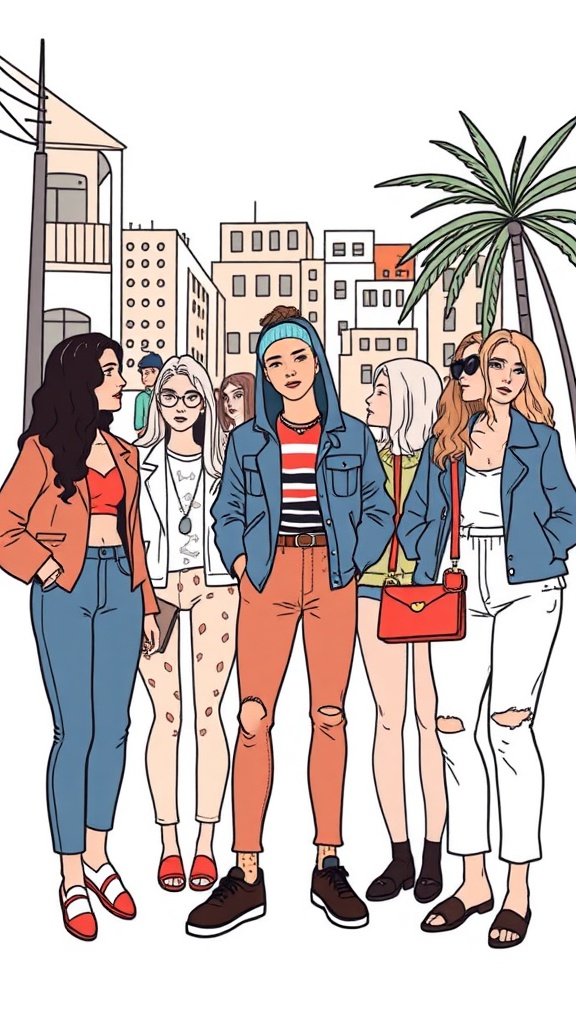
– Foster inclusivity: Showcase diverse body types, identities, and price points. Representation strengthens community loyalty.
– Measure impact: Track attendance, sales, and social engagement to iterate on events and partnerships.
– Build partnerships: Collaborate with cafes, galleries, and small retailers to share audiences and resources.
Local press and lifestyle newsletters are invaluable for amplification.
Sustainability and longevity
Embedding sustainability into the community’s DNA ensures long-term appeal. Swap programs, repair pop-ups, and upcycling workshops not only reduce environmental impact but also create recurring touchpoints for members. Encourage transparent production practices among participating makers and offer educational sessions to demystify materials and costs for consumers.
Get started this week
Attend a local market, join a neighborhood fashion group online, or host a small swap party with friends. Small actions lead to stronger networks, new business opportunities, and a vibrant local style culture that reflects the people who live there. Local fashion communities thrive when curiosity meets consistent effort—whether that’s through one event or an ongoing collective.