Independent Fashion Brands Explained: Why They Matter, Key Trends, Challenges & How to Find Them
Why Independent Fashion Brands Matter — Trends, Challenges, and How to Find Them
Independent fashion brands are reshaping how people shop, wear, and think about clothing. By prioritizing craftsmanship, transparency, and community, these labels offer alternatives to mass market cycles and fast fashion.
Whether you’re a conscious shopper or an aspiring founder, understanding what sets independents apart helps you make smarter choices and spot standout brands.
What defines an independent fashion brand
Independent brands are typically owner-operated or small teams that control design and production decisions. They often produce small batches, work with local or specialized factories, and emphasize handcrafted details, material quality, and unique design perspectives. This approach allows greater creative risk-taking and closer relationships with customers.
Key trends driving independent brands
– Sustainability and circularity: Many independents prioritize eco-friendly materials, repair programs, resale, and take-back initiatives to reduce waste and extend garment lifespans.
– Direct-to-consumer (DTC) and digital-first strategies: Selling directly through brand websites, social commerce, and targeted email marketing helps independents keep prices competitive and control customer experience.
– Size and fit inclusivity: Smaller brands are leading with thoughtful size ranges, custom-fit options, and detailed size guides that improve fit outcomes and reduce returns.
– Collaborations and community drops: Limited collaborations with artists, makers, and other brands generate buzz while supporting local creative ecosystems.
– Transparency: From factory photos to material sourcing stories, openness builds trust and differentiates independents from opaque supply chains.
Challenges independent brands face
Running a small fashion label involves tight margins and complex logistics. Cash flow management, minimum order quantities from suppliers, and inventory risk are persistent hurdles. Marketing budgets are often limited, so brands must rely on organic storytelling, partnerships, and micro-influencer outreach to grow. Scaling responsibly without compromising quality or ethics is another common tension.
How to discover great independent labels
– Explore marketplaces and boutiques that curate independents; these platforms make discovery easier and often vet quality and ethics.
– Follow niche social channels and hashtags focused on sustainable and indie fashion for daily finds.
– Attend local markets, pop-ups, and trunk shows to see garments in person and meet founders.
– Read brand newsletters and look for behind-the-scenes content that reveals production practices and design intent.
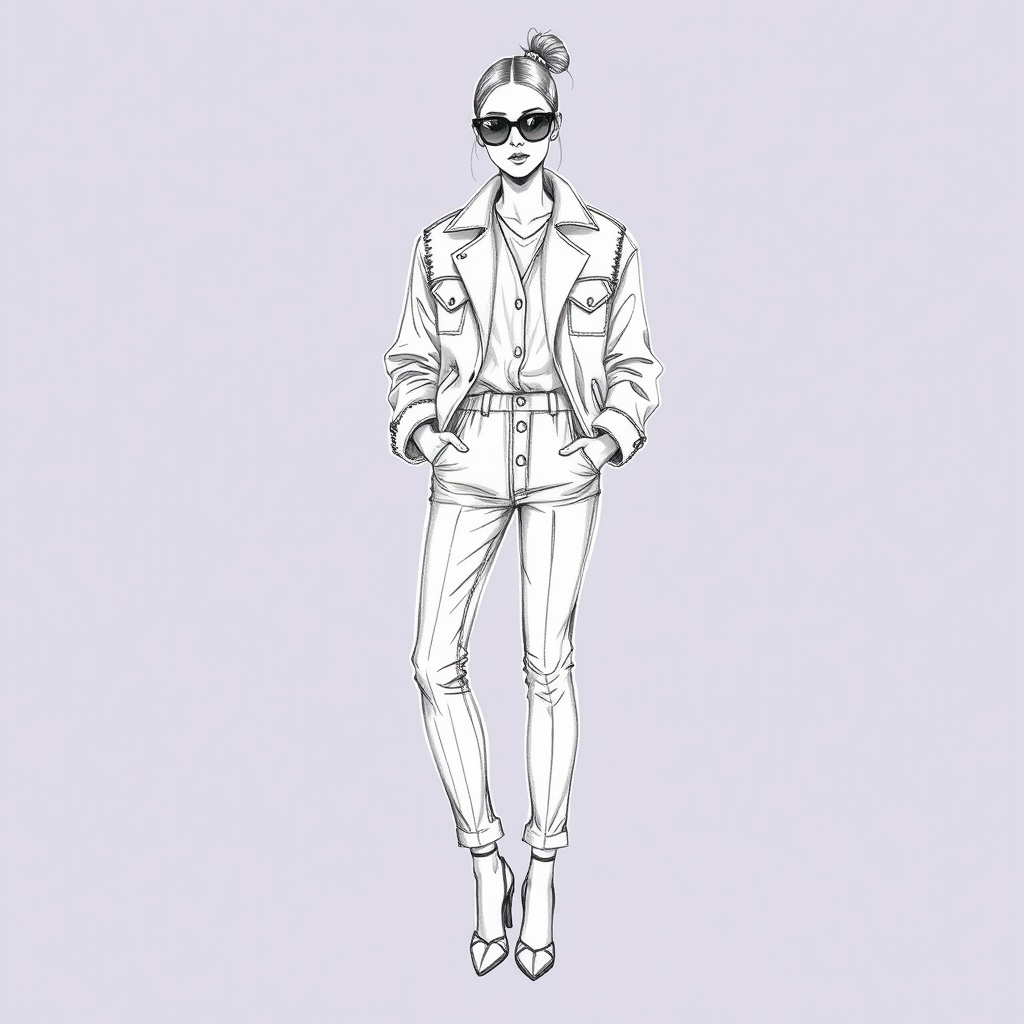
Tips for supporting independent fashion brands
– Buy less, choose better: Invest in pieces you’ll wear often rather than impulse purchases. Quality pays off over time.
– Care for garments properly: Follow care labels, mend when needed, and consider tailoring for a longer life.
– Participate in resale and rental: Reselling pieces or renting for special occasions helps create a circular wardrobe and supports founder sustainability goals.
– Share and recommend: Word-of-mouth and social shares are powerful for small brands with limited marketing budgets.
Advice for founders starting an independent label
– Start with a focused product offering and test the market with small runs to validate demand.
– Build direct relationships with manufacturers and prioritize clear communication on lead times and costs.
– Invest in storytelling: high-quality imagery and honest narratives convert visitors into loyal customers.
– Track unit economics closely and plan for seasonal cash flow fluctuations.
Independent fashion brands bring diversity, ethics, and creativity back into wardrobes.
By choosing thoughtfully, engaging with brand stories, and supporting sustainable practices, shoppers can enjoy distinctive clothing while helping a healthier fashion ecosystem flourish.