Independent Fashion Brands: Growth Strategies to Stand Out with Storytelling, DTC & Sustainability
Independent fashion brands are carving distinctive space in a crowded market by blending creativity with purpose. Small by scale but nimble by design, these brands turn constraints into advantages: faster decision cycles, bold storytelling, and closer customer relationships.
For independent labels looking to stand out — or shoppers wanting more meaningful purchases — there’s a clear set of strategies that keep momentum and build long-term value.
What sets independent brands apart
– Authentic storytelling: Independent brands can share founder narratives, production journeys, and design philosophies in an unvarnished way that resonates with modern buyers.
– Agility: Smaller teams can test new designs, launch limited drops, and pivot based on direct customer feedback without corporate red tape.
– Community focus: Local production, collaborations with artisans, and pop-up experiences foster loyalty and word-of-mouth marketing that’s hard to replicate at scale.
Key priorities for growth
1. Purposeful product design
Successful independents design for clarity: a defined aesthetic, a strong signature piece or silhouette, and an emphasis on quality over quantity. Small-batch production supports exclusivity and reduces overstock risk. Consider capsule collections to refine brand identity and make inventory management predictable.
2. Transparent and ethical production
Consumers expect transparency. Sharing where materials come from, who makes the clothing, and the environmental impact of production builds trust.
Certifications help, but storytelling around real people and processes often has greater emotional impact. Be honest about trade-offs and continuous improvements.
3. Smart direct-to-consumer strategies
Direct-to-consumer channels are essential for margin and customer data. Optimize product pages with high-quality imagery, detailed fit guides, and fabric information. Offer easy, transparent returns and a sizing strategy that reduces uncertainty. Leverage email and SMS for relationship-building, not just promotions.
4. Community-driven marketing
Independent brands thrive on niche communities.
Build relationships with micro-influencers, engage customers in content creation, and host live events or workshops. Social commerce features and shoppable content can turn followers into buyers without heavy ad spend.
Prioritize authentic collaborations over one-off sponsored posts.
5. Press, partnerships, and retail moments
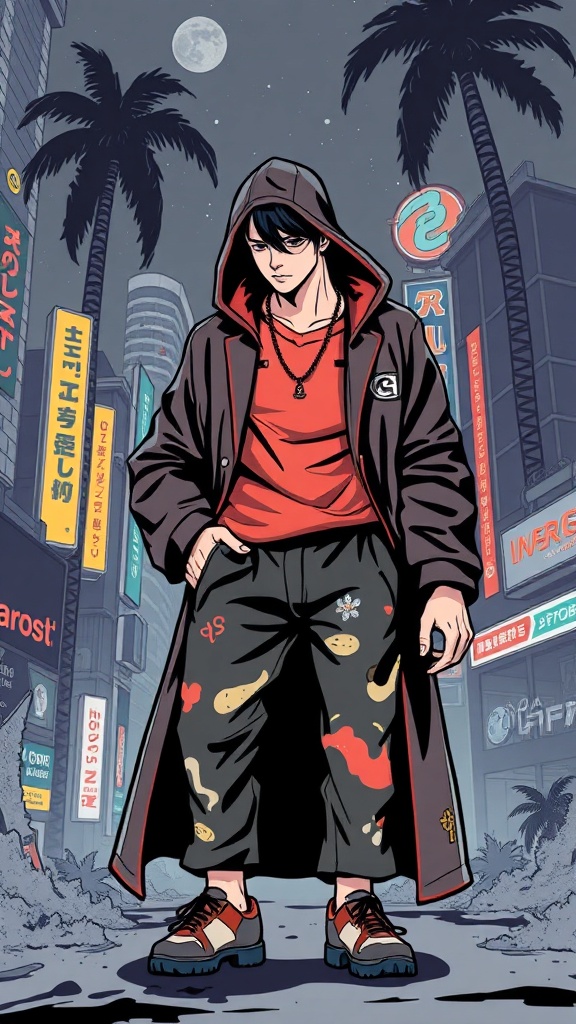
A well-placed editorial feature or a boutique partnership can amplify reach. Target local editors, stylists, and curated retail stores that match the brand’s aesthetics. Pop-ups and trunk shows create tactile experiences—crucial for apparel where fit and feel drive purchase decisions.
Operational best practices
– Forecast conservatively and use pre-orders to validate demand for new styles.
– Track unit economics closely: cost of goods, fulfillment, and return rates inform pricing and margin strategy.
– Invest in product photography and model diversity to reflect real customer bodies and boost conversion.
– Use analytics to understand lifetime value and adjust acquisition channels accordingly.
Sustainability and circularity
Sustainability is an advantage when it’s authentic. Offer repair services, buy-back programs, or partnerships with resale platforms to extend product life.
Communicate environmental initiatives clearly and provide practical guidance for care to reduce waste.
Final focus
For independent fashion brands, differentiation comes from a tight product vision, genuine storytelling, and operational discipline.
Prioritize customer experience at every touchpoint — from discovery to delivery — and use community as both market and marketing. Small brands that combine creativity with smart business practices can scale thoughtfully while keeping the independence that makes them special.