Independent Fashion Brands: Rewriting the Fashion Industry with Sustainability, Inclusivity, and Digital Innovation
In the constantly evolving fashion landscape, independent fashion brands have carved their niche, offering a fresh and unique perspective to style enthusiasts worldwide. These brands, far removed from the dictates of mainstream fashion moguls, are currently rewriting the rules of the industry, introducing avant-garde concepts and sustainable practices that resonate with the modern consumer’s evolving ideologies.
A Shift Towards Individual Expression
While established fashion houses continue to influence style trends, the modern consumer is showing a growing inclination towards individuality and personal expression.
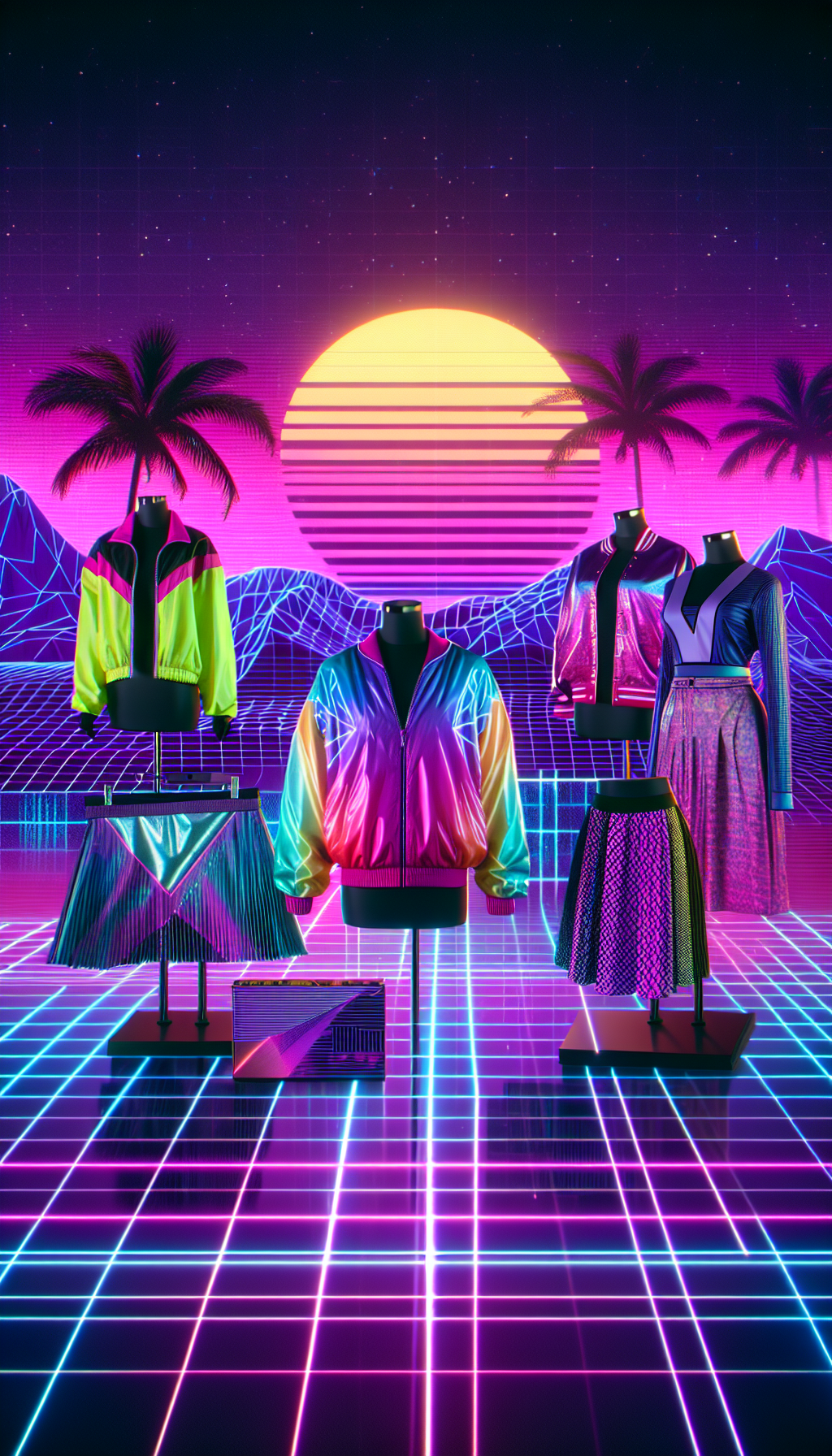
The independent brands, with their distinct design aesthetics, are perfectly poised to cater to this desire. They offer an eclectic mix of garments, often fusing traditional craftsmanship with contemporary styles.
By focusing on limited collections rather than mass-produced lines, these brands ensure every piece tells a unique story, thus fueling the consumer’s quest for exclusivity.
Sustainability at the Core
In recent times, there has been a significant shift in the consumer’s consciousness towards ethical and sustainable fashion. Independent fashion brands are often at the forefront of this movement, embedding sustainability into their business models. From sourcing eco-friendly materials to ensuring ethical production practices, these brands are setting new standards in the industry.
They are proving that fashion can be both stylish and responsible, a concept that resonates deeply with today’s eco-conscious consumers.
Embracing Diversity and Inclusion
Another compelling aspect of the independent fashion scene is its commitment to diversity and inclusion.
Unlike the mainstream fashion industry, which often caters to a narrow, idealized standard of beauty, independent brands celebrate the full spectrum of humanity. They offer sizes and styles that cater to a wider range of body types and promote inclusivity by featuring models of different races, ages, and backgrounds in their campaigns. This appreciation for diversity aligns with the modern consumer’s demand for representation and inclusivity in fashion.
Digital Disruption and Growth
Technology has played a key role in the rise of independent fashion brands. E-commerce platforms and social media have leveled the playing field, allowing these brands to reach a global audience without the need for a physical retail presence. These digital tools have also enabled them to engage directly with their consumers, fostering a sense of community that transcends the traditional buyer-seller relationship.
The Path Ahead
As consumers continue to seek individuality, sustainability, and inclusivity, independent fashion brands are likely to gain even more relevance. The key to their sustained growth will lie in their ability to stay true to their principles while continually innovating to meet the dynamic needs of the consumer.
Indeed, independent fashion brands are not just shaping the future of fashion. They are redefining it, one unique, sustainable, and inclusive garment at a time. Their impact extends beyond the realm of fashion, influencing societal norms and consumer behavior. In the grand scheme of things, they are contributing to a more inclusive, responsible, and diverse world, and that is perhaps their most significant achievement.