Independent Fashion Brands: Small-Batch, Ethical & Direct-to-Consumer Strategies to Build Customer Loyalty
Independent fashion brands have become a powerful force in style-driven communities, blending creativity, ethics, and direct relationships with customers. Unlike large labels, indie brands can move quickly, experiment with small-batch production, and prioritize authenticity — qualities that resonate with shoppers who want garments that tell a story.
What sets indie labels apart
– Distinct voice and design: Independent designers often focus on a clear aesthetic or niche — artisanal tailoring, gender-neutral silhouettes, bold prints, or heritage techniques — that gives pieces personality beyond logos.
– Small-batch and made-to-order production: Producing in limited runs reduces waste, supports higher-quality manufacturing, and allows for rapid iteration based on customer feedback.
– Transparency and ethics: Many independents publish sourcing information, work with local workshops, and pursue certifications or policies that reflect labor and environmental values.
– Direct-to-consumer relationships: Selling through a brand’s own website, social channels, and occasional pop-ups cuts out middlemen, allowing clearer storytelling and often better value for customers.
Why shoppers are drawn to independent brands
Consumers seek more than a product: they want connection. Independent labels offer provenance, behind-the-scenes access, and the chance to support emerging creatives.
Size inclusivity, personalization, and customer service are more flexible at smaller brands, while limited runs create a sense of exclusivity without mass-market hype. Sustainability-minded shoppers also appreciate repair programs, recycling initiatives, and clear take-back policies that many independents adopt.
Smart strategies for independent brands
– Tell a compelling story: Use product pages, email, and social media to explain materials, maker profiles, and the creative process. Stories convert curious visitors into loyal buyers.
– Leverage micro-influencers and community creators: Collaborations with niche influencers or customers generate authentic content and more efficient spend than chasing broad reach.
– Optimize for search and discovery: Focus on long-tail keywords like “small-batch linen shirt” or “handmade outerwear brand” and ensure product pages include clear size, material, and care information.
– Combine online and offline touchpoints: Pop-up shops, trunk shows, and curated retail partnerships introduce tactile experiences that build trust and word-of-mouth.
– Invest in thoughtful packaging and aftercare: A memorable unboxing and clear repair or exchange policies strengthen perceived value and encourage repeat purchases.
Challenges and opportunities
Scaling without losing identity is a common tension. Maintaining quality while growing operations, choosing manufacturing partners, and deciding when to wholesale versus remain direct are strategic crossroads. Technology offers tools for growth: virtual try-on, appointment-based shopping, and streamlined inventory platforms help indies punch above their weight. Meanwhile, circular practices — resale partnerships, repair services, and take-back programs — open new revenue paths and align with consumer expectations.
How shoppers can support independent brands
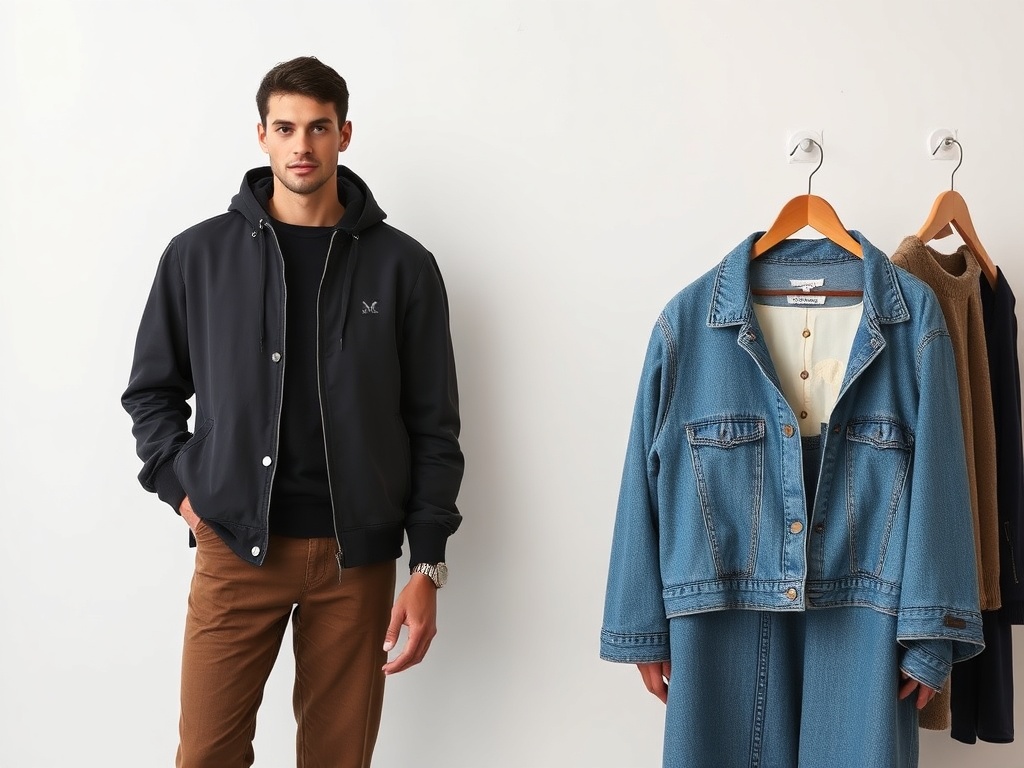
Buy thoughtfully: prioritize pieces you’ll wear often. Engage with brands by subscribing to newsletters, leaving reviews, and sharing photos. Attend local markets and pop-ups to experience craftsmanship in person. When budget is tight, explore pre-order offerings or secondhand options that extend the life of independent pieces.
Independent fashion brands are reshaping how people buy, wear, and value clothing.
By prioritizing transparency, creativity, and customer connection, these labels offer an alternative to mainstream cycles — one that rewards care, community, and thoughtful consumption.