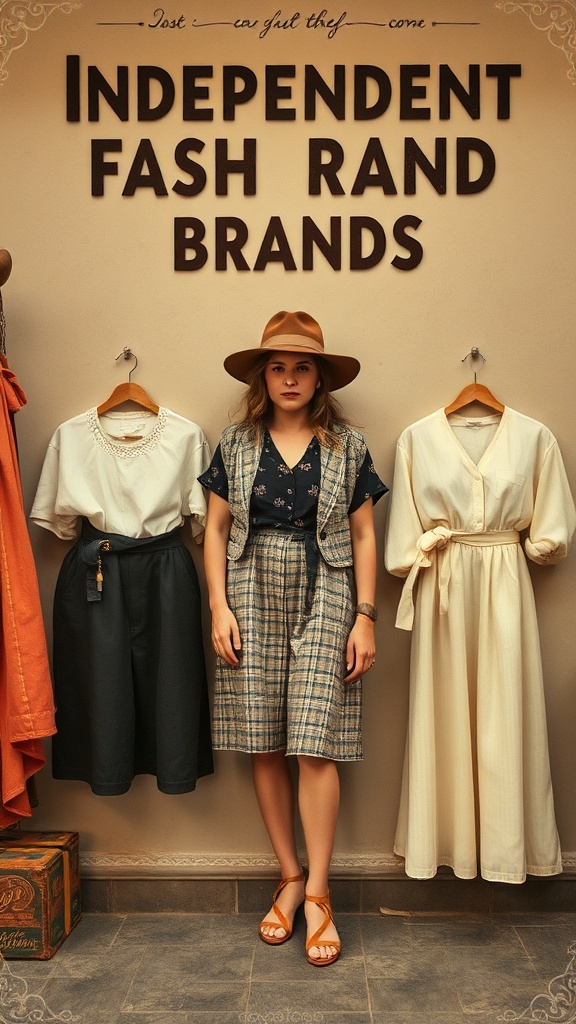
Independent Fashion Brands: Stand Out with Sustainability, Storytelling, and Smart DTC Growth
Independent fashion brands are carving out a powerful niche by combining creativity, ethics, and direct relationships with customers.
Unlike fast-moving conglomerates, these labels thrive on distinct voices, small-batch production, and a willingness to experiment. For shoppers craving authenticity and longevity, independent brands offer garments with stories — from the maker’s hands to the materials’ origins — that resonate beyond seasonal trends.
Why independent brands matter
Independent brands often lead with values that matter to modern consumers: sustainability, transparency, and inclusivity. They can pivot faster, trial new materials or manufacturing methods, and build genuine communities around shared aesthetics or causes.
That agility also allows for product innovation, such as modular designs, repairable garments, and collections centered around timeless wardrobe staples rather than fleeting hype.
Key strategies that help independents stand out
– Niche and signature pieces: Focusing on a clear niche — whether it’s gender-neutral tailoring, technical outerwear, or artisanal knitwear — helps brands become synonymous with a specific type of product. A signature piece or technique can create repeat customers and word-of-mouth referrals.
– Story-driven branding: Customers buy stories as much as clothes.
Transparent narratives about sourcing, production, and the people behind the label foster trust and emotional connection.
– Small-batch and limited drops: Limited quantities increase perceived value and reduce excess inventory, aligning with sustainable practices and urgency-driven marketing.
– Direct-to-consumer channels: Selling primarily through owned websites and pop-ups keeps margins healthy and allows for richer customer data, enabling personalized experiences and loyalty programs.
– Collaborations and community: Strategic partnerships with artists, makers, or complementary brands expand reach while maintaining credibility. Community-building through workshops, co-created collections, and social channels turns customers into advocates.
Digital marketing that converts
A strong digital presence is non-negotiable. High-quality product imagery, clear size and material information, and storytelling content (lookbooks, behind-the-scenes videos, maker profiles) improve conversion and SEO.
Micro-influencer collaborations and user-generated content often outperform large celebrity endorsements for authenticity and cost-effectiveness. Email marketing remains a top retention tool; a thoughtful sequence that includes new product alerts, restock notices, and styling tips keeps customers engaged.
Sustainability and circularity
Sustainable practices are central to many independent brands: using deadstock or recycled fabrics, partnering with ethical manufacturers, offering repair services, and enabling resale or rental options.
Communicating measurable sustainability initiatives — such as reduced water usage, certified materials, or transparent supply chain audits — reassures customers and differentiates the brand.
Operational realities and scaling smartly
Growing without losing identity is a common challenge. Smart scaling involves prioritizing operational systems: inventory management, production forecasting, and reliable fulfillment partners. Nearshoring or partnering with small, certified factories can improve lead times and quality control while preserving ethical standards. Thoughtful wholesale or selective retail partnerships can drive visibility without compromising direct relationships.
Future-facing practices
Independent brands that embrace data, community feedback, and flexible production models are better positioned to adapt.
Experimentation with rental, subscription, and buy-back programs can open additional revenue streams and deepen customer loyalty.
Emphasizing fit education, inclusive sizing, and accessible care instructions also reduces returns and improves satisfaction.
Practical takeaways for emerging brands
– Define a clear niche and craft a signature product
– Tell transparent stories about people and processes
– Use digital channels to build relationships, not just transactions
– Prioritize sustainable materials and circular offers
– Scale operations deliberately to protect quality and brand identity
Independent fashion brands combine creativity with conscience, and when they align product excellence with thoughtful operations and storytelling, they build resilient businesses and devoted communities. Customers seeking meaning in their wardrobes continue to be the best advocates for brands that deliver authenticity and craftsmanship.