Independent Fashion Brands: The Rise of Sustainable, Story-Driven Apparel
Independent fashion brands are reshaping the apparel landscape by marrying creativity with purpose. These small, nimble labels stand out by delivering original design, transparent production, and a closer relationship with customers—qualities big corporations often struggle to emulate. For shoppers seeking originality and impact, independent brands offer more than clothing: they offer values, stories, and a better fit for modern lifestyles.
Why independent brands matter
Consumers are increasingly aware of the environmental and social costs of fast fashion. Independent brands respond with alternatives: small-batch manufacturing, ethically sourced materials, and local or artisan production. That focus reduces waste, supports skilled makers, and enables higher-quality garments that last. Because independent labels often control design and production, they can innovate quickly—experimenting with recycled fabrics, natural dyes, or modular pieces—without the friction of large supply chains.
Key advantages independent labels use to compete
– Authentic storytelling: Independent brands leverage founder stories, craft processes, and provenance to build emotional connections. Transparency about materials and labor creates trust that boosts loyalty and word-of-mouth.
– Agile production: Small runs and made-to-order models reduce inventory risk and encourage limited-edition releases that create demand without overproduction.
– Direct-to-consumer (DTC) sales: Selling primarily through brand websites or curated platforms lets independent labels keep margins, own customer relationships, and personalize experiences through email, social, and messaging.
– Community focus: Local events, pop-up shops, and collaborations with artists or other small businesses create real-world touchpoints that turn customers into advocates.
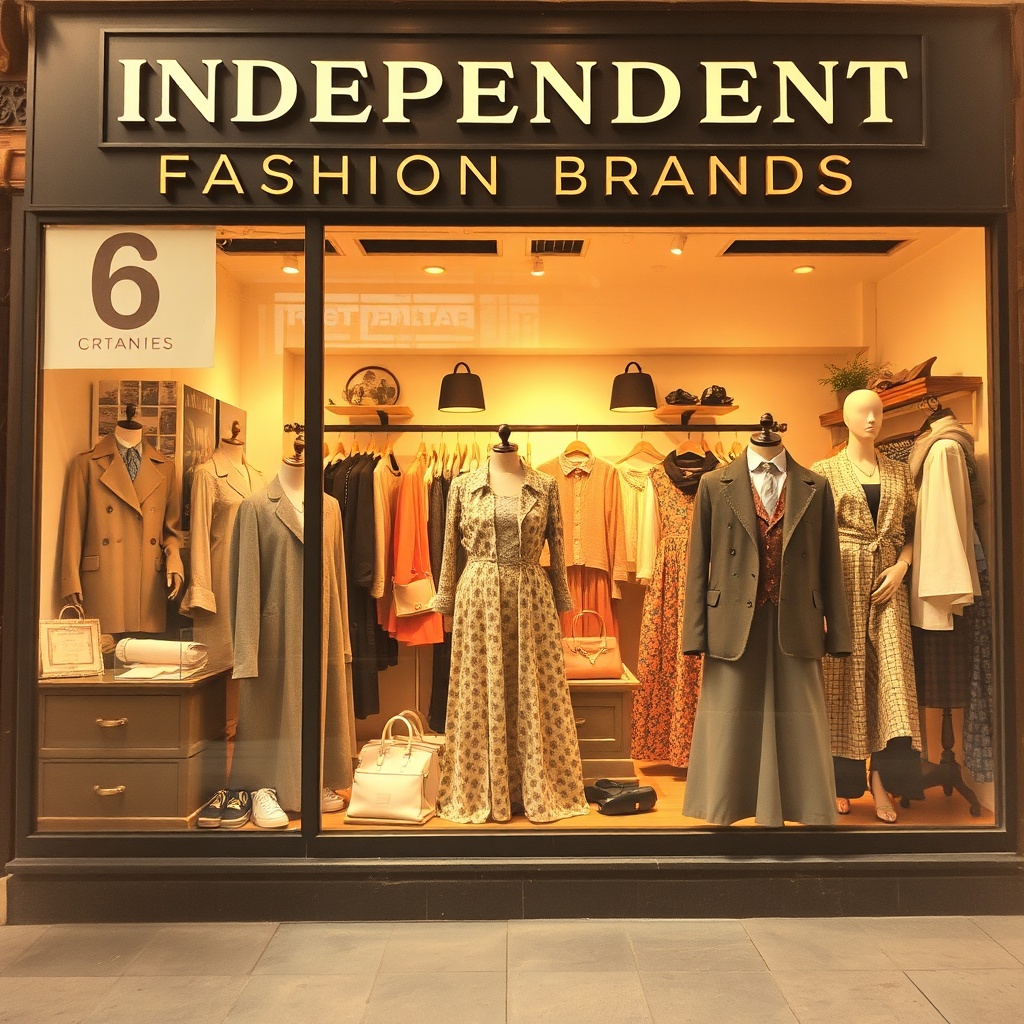
Design trends and product strategies
Indie labels often capitalize on timeless design and versatility.
Capsule collections, gender-neutral silhouettes, and pieces designed for longevity appeal to conscious shoppers. Upcycling and zero-waste patterns are becoming mainstream creative strategies, turning leftover materials into unique products that tell compelling stories. Size inclusivity and adaptable fits expand market reach while reflecting authentic customer needs.
Marketing tactics that work
Content-driven marketing is particularly powerful for independent brands. High-quality imagery, behind-the-scenes videos, and long-form product narratives help shoppers understand value beyond price. Micro-influencers and community partnerships often drive more meaningful engagement than broad celebrity placements. Social commerce—shoppable posts, livestream drops, and exclusive online launches—enables seamless conversion from discovery to purchase.
Operational best practices
– Prioritize supplier relationships: Transparent, respectful partnerships with factories and artisans ensure consistent quality and ethical standards.
– Embrace slow inventory: Smaller production runs increase flexibility and reduce markdowns.
– Track true costs: Properly factoring in labor, material quality, and environmental impact leads to sustainable pricing that customers are willing to pay for.
– Invest in customer service: Personal touches—handwritten notes, easy repairs or alterations, and responsive support—turn first-time buyers into repeat customers.
How consumers can support indie fashion
Supporting independent brands means considering longevity over trend cycles. Choose pieces that fit your lifestyle, repair rather than replace, and seek out brands with clear sourcing and labor practices. Shopping at local markets, independent boutiques, and curated online marketplaces helps keep creative economies vibrant.
Independent fashion brands are not just a niche: they’re a model for a more responsible, design-forward future. Whether you’re building a label or refining your wardrobe, prioritizing craftsmanship, transparency, and community creates value that endures.
Explore local designers, read labels closely, and invest in pieces that reflect both your style and your values.