Local Fashion Communities: A Practical Guide to Supporting Sustainable Neighborhood Designers, Markets & Makers
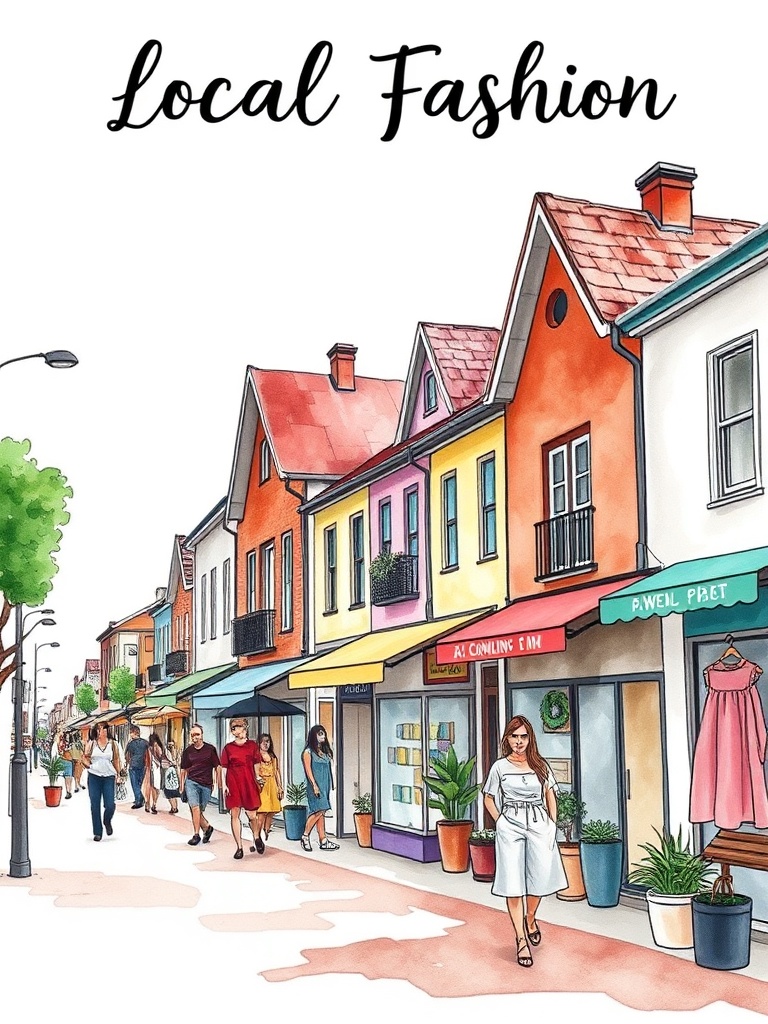
Local fashion communities are reshaping how style is discovered, made, and shared — blending neighborhood culture with conscious design and direct connections between creators and customers.
These micro-ecosystems, anchored by independent designers, vintage sellers, makers, and neighborhood boutiques, offer a more personal alternative to fast-fashion channels and large retail chains.
Why local fashion communities matter
– Authenticity: Local creators draw inspiration from their surroundings, producing garments with stories and cultural references that resonate with nearby shoppers.
– Sustainability: Shorter supply chains, repair services, clothing swaps, and upcycling initiatives reduce waste and encourage mindful consumption.
– Economic resilience: Supporting local designers and small shops keeps money circulating within communities and helps emerging creatives establish viable businesses.
– Social connection: Pop-up markets, workshops, and meetups foster relationships between designers, stylists, makers, and consumers, strengthening neighborhood identity.
How communities blend physical and digital
Neighborhood bazaars and pop-up shops still play a central role, but digital tools amplify reach. Social platforms and group messaging create vibrant neighborhoods online where members share finds, promote events, and crowdsource feedback. Local hashtags, community pages, and geo-targeted content make it easy for shoppers to discover nearby designers and upcoming markets without losing the human touch that defines the community.
Practical ways to get involved
– Attend local markets and launch events: These are prime opportunities to meet designers, try on pieces, and learn background stories that add value to purchases.
– Join clothing swaps and repair circles: Swap meets and repair days extend garment life, teach basic mending skills, and lower the barrier to sustainable fashion.
– Follow community channels: Local Instagram accounts, neighborhood groups, and newsletter lists often announce pop-ups, sample sales, and maker profiles before wider promotion.
– Support collaborative retail spaces: Co-op boutiques and shared storefronts allow smaller labels to test products in person with lower overhead.
Tips for designers and makers
– Tell your story clearly: Use product tags, short videos, or QR codes linking to the maker’s origin story, materials, and care instructions.
– Collaborate with other creatives: Partnerships with local photographers, stylists, and cafes expand visibility and create richer experiences for customers.
– Offer limited runs and customization: Scarcity and personalization increase perceived value and encourage direct relationships between maker and wearer.
– Host workshops or trunk shows: Teaching a skill or presenting a capsule collection builds trust, collects customer feedback, and generates word-of-mouth.
Events and promotion ideas that work
– Themed pop-ups: Curate markets around seasons, upcycling, or region-specific aesthetics to attract focused audiences.
– Open-studio nights: Let customers visit where items are made — transparency breeds loyalty.
– Community lookbooks: Feature real neighbors in local outfits to show versatility and amplify local voices.
– Cross-promotions with local businesses: Partner with coffee shops, bookstores, and galleries to create multi-stop experiences that drive foot traffic.
Measuring impact
Track engagement beyond sales: attendee numbers at events, subscription growth, social interactions, and collaborations are strong indicators of a thriving local community. Qualitative feedback — customer stories, repeat buyers, and referrals — often reveals the deepest value.
Local fashion communities are an accessible path to more meaningful style — where connection, craftsmanship, and conscience intersect. Whether you’re shopping, designing, or organizing, small actions help build resilient networks that reward creativity and care.