Local Fashion Communities: Discover Hidden Gems & Support Sustainable Neighborhood Style
Local fashion communities are quietly reshaping how style is discovered, made, and shared. Rooted in neighborhoods, these networks blend creativity, commerce, and culture to create vibrant ecosystems where independent designers, small boutiques, makers, and shoppers all benefit.
Why local fashion communities matter
Local fashion communities boost the local economy by keeping spending close to home and creating opportunities for emerging designers to test ideas without large overhead.
They also champion sustainable fashion: shorter supply chains, repair and upcycling culture, and slow-fashion practices are easier to adopt when connections are local.
Beyond commerce, these communities preserve cultural identity—styles, techniques, and stories unique to a place find expression through collaborative events and storefronts.
How to discover hidden gems
– Follow local hashtags and neighborhood groups on social platforms to spot pop-up shops, markets, and trunk shows.
– Visit community calendars, independent bookstores, and coffee shops that often advertise local design events.
– Join mailing lists for nearby maker markets and boutique collectives to get early access to limited runs.
– Explore local online marketplaces and neighborhood groups where handmade, vintage, and small-batch pieces circulate.
Ways to support and get involved
– Shop intentionally from neighborhood boutiques and designer pop-ups to support makers directly.
– Attend style workshops, garment-repair clinics, and swap meets that strengthen community skills and reduce textile waste.
– Volunteer at or sponsor local markets to help keep access affordable for emerging designers.
– Promote makers through word-of-mouth and social shares—small boosts can drive meaningful traffic to independent businesses.
For designers and makers: building meaningful connections
– Host trunk shows and pop-up collaborations with complementary brands—pairing apparel with local jewelry, footwear, or lifestyle goods increases exposure.
– Use storytelling to connect—share the craft, materials, and cultural influences behind collections to create emotional resonance.
– Combine online reach with offline presence. Direct-to-consumer platforms broaden visibility while in-person events build trust and repeat customers.
– Offer customization, small-batch pieces, or limited editions that encourage local collectors and create urgency without mass production.
Designing inclusive, resilient communities
Inclusivity strengthens local fashion networks.
Prioritize accessible events, size diversity, and pricing strategies that welcome wider participation.
Cross-sector partnerships—working with local nonprofits, cultural institutions, and education programs—can create apprenticeships, workspace sharing, and mentorships that nurture new talent.
Sustainability and circularity at the neighborhood level
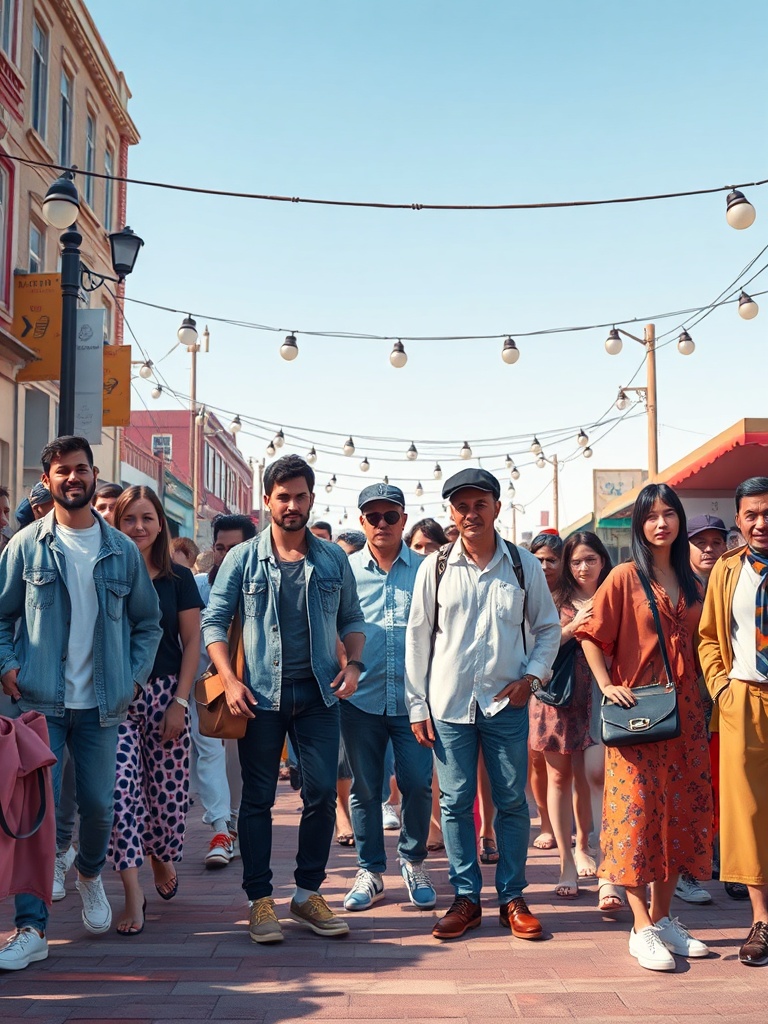
Local fashion communities are well placed to pioneer circular approaches: repair stations, resale days, and upcycling workshops create systems that keep garments active longer. Neighborhood clothing swaps and mending cafes not only reduce waste but also deepen social ties.
Event ideas that spark engagement
– Evening pop-up markets hosted in cafes and galleries
– Collaborative capsule launches among three to five designers
– Community sewing nights and tailoring clinics
– Guided shop walks that highlight neighborhood makers and their stories
Small actions, big impact
Every purchase, share, or RSVP helps build a stronger local fashion scene. Consumers gain access to distinctive pieces and personal stories; creators get feedback, repeat customers, and sustainable business pathways. Supporting local fashion communities creates a richer, more textured way of experiencing style—one that values craft, culture, and connection over mass-produced uniformity.