Local Fashion Communities: How Hyper‑Local Networks Are Redefining Sustainable Style and Supporting Makers
Local fashion communities are quietly reshaping how people discover style, support makers, and rethink consumption.
Rather than relying solely on big brands and fast fashion cycles, these hyper-local networks—composed of independent designers, vintage sellers, tailors, stylists, makers, and enthusiastic customers—are creating resilient ecosystems that blend creativity, commerce, and care.
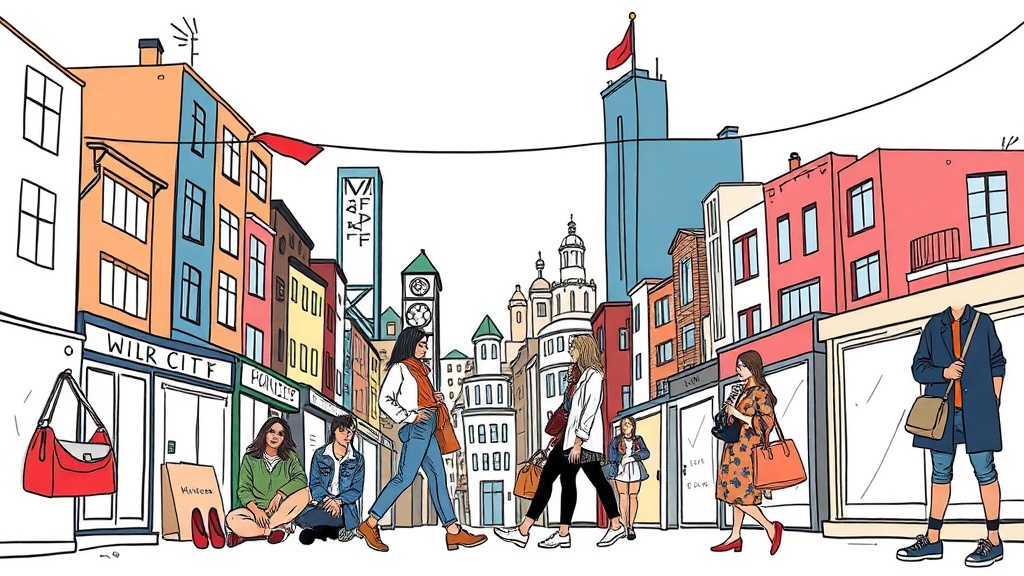
Why local fashion communities matter
– Sustainability: Local networks shorten supply chains and encourage repair, upcycling, and garment longevity. Swap events, repair cafes, and clothing libraries reduce waste and keep garments circulating.
– Economic impact: Small makers and boutiques retain more value locally. Collaborative pop-ups and markets boost foot traffic for neighborhood businesses and create new income streams for emerging designers.
– Cultural relevance: Local communities amplify diverse stories and techniques unique to their neighborhoods—textiles, tailoring traditions, and style codes that big retailers often overlook.
– Social connection: Fashion becomes a way to build friendship, mentorship, and shared learning—from beginners learning to sew to established designers mentoring apprentices.
Ways local fashion communities show up
– Maker collectives and shared studios where makers pool tools, rent space, and offer classes.
– Swap meets and clothing libraries that make seasonal refreshes affordable and sustainable.
– Pop-up markets and trunk shows hosted in coffee shops, galleries, or co-retail spaces.
– Repair and alteration pop-ups that teach basic mending and offer on-the-spot fixes.
– Styling workshops, community lookbooks, and collaborative shoots that showcase neighborhood aesthetics.
– Digital hubs—local hashtags, Facebook groups, or neighborhood apps—where members trade tips, advertise events, and commission custom work.
How to start or strengthen a local fashion community
1.
Map the ecosystem: Identify designers, tailors, vintage sellers, fabric stores, and creative spaces nearby. Create a simple directory or shared map.
2. Host low-barrier events: Begin with casual meetups, clothing swaps, or a single-table market. Keep costs low and make events family- and budget-friendly.
3. Partner with complementary businesses: Coffee shops, florists, galleries, and bookstores can host pop-ups or provide cross-promotion. Shared audiences make marketing more efficient.
4. Prioritize inclusivity and accessibility: Choose accessible venues, offer sliding-scale participation fees, and amplify creators from underrepresented backgrounds.
5. Teach and share skills: Offer short workshops—basic sewing, pattern hacks, dyeing, or wardrobe styling—to encourage participation and skill-building.
6. Use hyper-local marketing: Leverage neighborhood newsletters, community noticeboards, local influencers, and targeted social posts. A consistent, recognizable visual identity helps.
7.
Measure impact: Track attendance, vendor sales, social engagement, and repeat participation to learn what resonates and where to grow.
Practical tips for organizers
– Lean into storytelling: Share makers’ processes, material sources, and the histories behind garments to deepen connection with buyers.
– Create recurring touchpoints: Monthly swaps, quarterly markets, or seasonal repair cafés build habit and anticipation.
– Make collaboration explicit: Offer revenue-sharing for co-hosts, cross-promote vendors, and celebrate collaborations publicly.
– Keep sustainability visible: Highlight materials, repair options, and swap outcomes to educate attendees and shift behaviors.
Supporting local fashion communities can transform a neighborhood’s creative economy and make style more personal, ethical, and community-centered. Whether you’re a designer looking for your first market, a stylist hoping to teach a workshop, or a shopper seeking unique pieces, getting involved helps reinforce a fashion scene that values people and place over mass production.
Join a swap, visit a pop-up, or start a sewing circle—small actions add up to meaningful change.