Local Fashion Communities: How Neighborhood Networks Make Style Sustainable & Accessible
Local fashion communities are reshaping how people discover style, support makers, and shop with intention.
Rooted in neighborhood creativity and shared values, these communities blend in-person events, digital meetups, and collaborative commerce to make fashion more accessible, sustainable, and distinctly local.
Why local fashion communities matter
Local communities highlight designers and small businesses that might be overlooked by mass retail. They foster connections between makers, stylists, photographers, and shoppers, creating a loop where feedback, ideas, and resources circulate quickly. That energy helps small labels refine products, test limited collections, and grow loyal customer bases without the overhead of large-scale marketing.
Sustainability and circularity at the neighborhood level
A major advantage of local fashion networks is the push toward circular practices. Clothing swaps, repair cafés, and curated thrift pop-ups give garments second lives while strengthening social ties. Local alterations and repair services become more viable when neighbors prioritize supporting them, and collaborative upcycling projects turn unsold inventory into unique pieces that tell a story.
How community-driven commerce works
Pop-up markets, trunk shows, and collective retail spaces allow independent brands to share costs and audiences. These formats reduce financial risk and create experiential shopping moments—customers meet designers, learn about materials and process, and leave with purchases that feel purposeful. Hybrid approaches—combining a robust online presence with occasional in-person activations—keep small brands visible and versatile.
Digital tools that amplify local scenes
Social platforms and neighborhood apps make it simple to promote events, recruit volunteers, and crowdsource venue ideas. Visual storytelling—short videos, lookbooks, behind-the-scenes content—helps local creators reach beyond their immediate area without losing community authenticity. Email newsletters and group chats remain powerful for mobilizing loyal shoppers to RSVP to limited drops and sample sales.
How to join or build a local fashion community
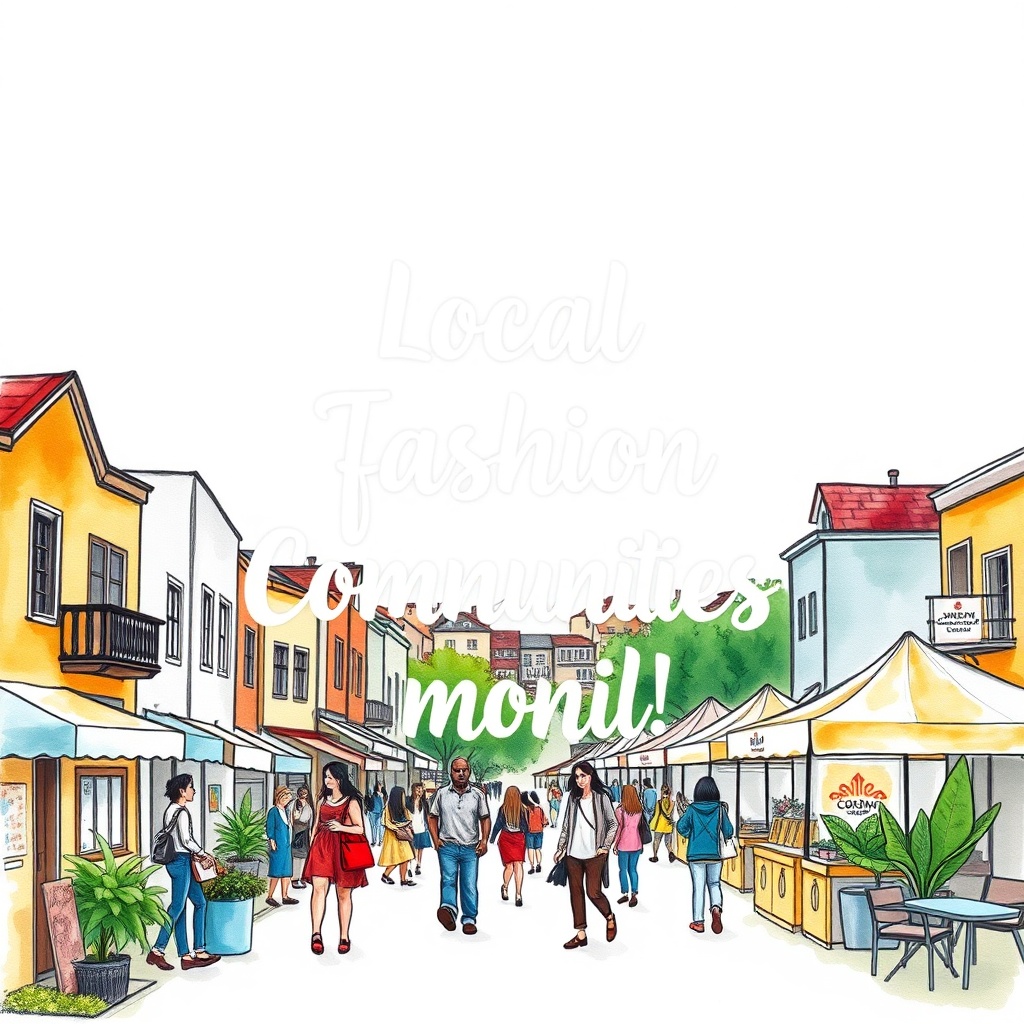
– Attend local markets and shows; talk to vendors and other attendees to find like-minded people.
– Volunteer at events or offer a skill—photography, styling, social media—to become part of the inner circle.
– Organize a clothing swap or repair workshop to attract community members who value sustainability.
– Collaborate with cafés, galleries, or coworking spaces to host pop-ups and reduce venue costs.
– Use neighborhood groups and visual social platforms to promote meetups and share success stories.
Benefits for designers and retailers
Local support enables rapid product testing and meaningful customer relationships. Real-time feedback from shoppers helps designers iterate faster, and community endorsements—word of mouth, local press, influencer collaborations—generate trust that scales organically. Shared resources like group buying for materials or collective storefronts lower barriers to entry for early-stage brands.
Creating inclusive and resilient communities
Equity matters.
Successful local fashion communities prioritize accessibility—affordable ticketing, varied price points, and inclusive programming. Partnering with local nonprofits, offering sliding-scale vendor fees, and creating safe spaces for diverse voices ensures the community grows in a way that benefits everyone.
Local fashion communities are more than a trend; they’re a sustainable, people-centered approach to style.
By combining real-world connection with smart digital promotion and a focus on circular practices, neighborhoods can cultivate vibrant fashion ecosystems that support makers, inspire shoppers, and keep creativity close to home.