Local Fashion Communities: How Neighborhood Style Creates Sustainable, Social, and Collaborative Shopping
Local fashion communities are reshaping how style is discovered, produced, and shared — turning shopping into a social, sustainable, and culturally rich experience. Whether you’re a consumer, designer, stylist, or shop owner, tapping into your neighborhood fashion scene unlocks creative collaboration, economic opportunity, and a more authentic wardrobe.
Why local fashion communities matter
– They amplify independent designers who reflect regional identities and craftsmanship.
– They reduce environmental impact by shortening supply chains and encouraging repair, resale, and upcycling.
– They build loyal customer bases through shared events, storytelling, and face-to-face interactions.
– They preserve cultural heritage by spotlighting traditional techniques and local materials.
How communities form
Local fashion ecosystems grow around physical and digital touchpoints. Pop-up markets, boutique storefronts, alterations shops, and craft fairs create physical hubs. Online, social platforms, neighborhood groups, and resale apps knit people together, helping makers and buyers find each other. Meetups, styling sessions, and collaborative storefronts keep momentum and foster ongoing relationships.
Practical ways to get involved
– Attend community events: Markets, runway nights, and open-studio days are great for discovering new makers and networking.
– Join or start a clothing swap: Swaps reduce consumption, refresh wardrobes, and introduce people to local tastes.
– Follow local hashtags and accounts: Tracking neighborhood tags and creator profiles makes it easier to spot launches and pop-ups.
– Support repairs and alterations: Choosing repair over replacement strengthens local tailors and extends garment life.
– Volunteer or mentor: Creatives can offer workshops or advice; shoppers can help promote makers by sharing reviews and photos.
Tips for designers and retailers
– Collaborate across disciplines: Partner with illustrators, photographers, florists, and cafes to stage events and share costs.
– Create limited runs and capsules: Small-batch releases reduce risk and create scarcity that attracts local attention.
– Host workshops and open studios: Teaching sewing, pattern drafting, or styling builds customer loyalty and positions you as an accessible expert.
– Offer transparent sourcing: Shoppers appreciate clear information about materials, production methods, and pricing.
– Use storytelling: Share the origin of a collection, the maker’s journey, and the techniques behind each piece to deepen customer connection.
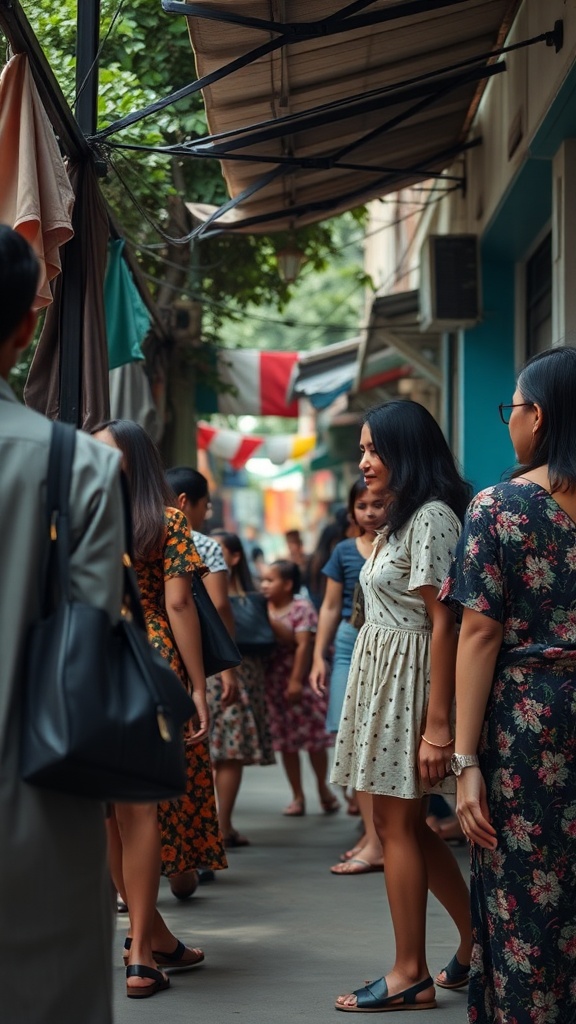
Sustainability and circularity
Local communities are fertile ground for circular fashion. Repair cafes, mending nights, and textile recycling drop-offs make sustainability social and practical. Encouraging resale through curated vintage shops or online marketplace partnerships keeps garments moving within the local economy and reduces textile waste.
Measuring impact
Beyond sales figures, successful local fashion communities show growth in foot traffic at events, social engagement, and repeat customers. They often spark related benefits: increased artisan employment, more creative collaborations, and a stronger sense of place that draws visitors and investment.
Getting started: small steps that scale
– Host a casual styling night at a café, invite a few local creators, and promote the event through neighborhood channels.
– Curate a pop-up featuring designers who complement each other rather than compete.
– Launch a monthly hashtag to surface community looks and reward the best posts with small prizes or features.
– Partner with local media and influencers to tell authentic stories about makers and their process.
Local fashion communities turn style into a collective endeavor where authenticity, sustainability, and creativity win. By participating—whether through buying thoughtfully, collaborating, teaching, or simply showing up—you help build a resilient, distinctive fashion scene that benefits makers and shoppers alike.