Local Fashion Communities: How Pop-Up Markets, Maker Spaces & Collectives Are Reshaping Sustainable Style
Local fashion communities are quietly reshaping how people discover, buy, and celebrate style.
Rooted in neighborhood makerspaces, pop-up markets, and collaborative studios, these networks give independent designers, small retailers, and style-minded neighbors a way to create cultural value and economic resilience outside mainstream fashion channels.
Why local fashion communities matter
– Support small business: When you buy from local designers or market stalls, more of your money circulates back into the neighborhood, helping creatives, seamstresses, and retailers thrive.
– Foster creativity and identity: Local communities nurture region-specific aesthetics and techniques—think fabric traditions, print styles, or tailoring methods—so fashion reflects place and people.
– Encourage sustainability: Shorter supply chains, made-to-order practices, and repair workshops reduce waste and promote circular consumption.
– Build social capital: Events and pop-ups create social ties that strengthen long-term collaboration and shared resources.
How local fashion communities thrive
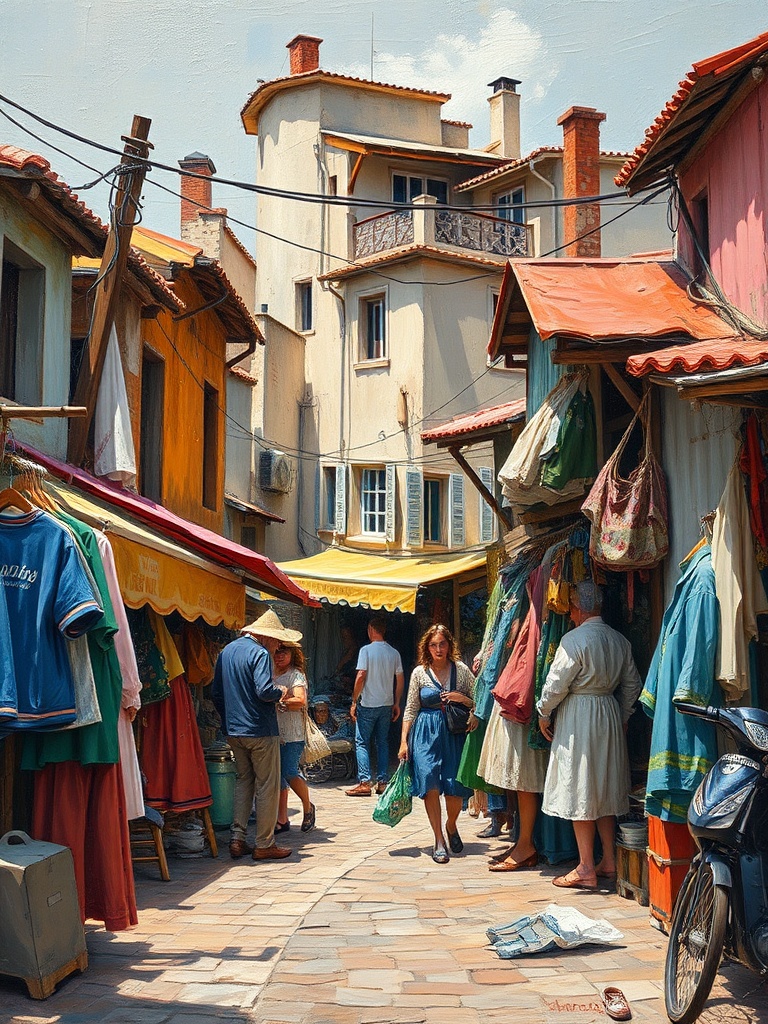
– Pop-up shops and markets: Temporary retail spaces allow designers to test products, gather feedback, and build direct relationships with customers without heavy overhead.
– Shared studios and maker spaces: These lower barriers for emerging designers by providing equipment, mentorship, and peer learning.
– Fashion collectives and co-ops: Group-run models spread risk, amplify marketing, and create a sense of shared mission that appeals to conscious consumers.
– Community events and workshops: Clothing repair clinics, dyeing workshops, and styling sessions teach skills while drawing customers into deeper brand relationships.
– Digital platforms and hyperlocal marketing: Social media groups, neighborhood apps, and local listings connect audiences to events and inventory while keeping the conversation anchored to place.
Practical steps for designers and retailers
– Start small and test: Use markets or short-term pop-ups to validate product-market fit before committing to a permanent space.
– Collaborate cross-functionally: Partner with local artisans, photographers, and musicians to create events that feel richer and more memorable.
– Prioritize locality in storytelling: Share behind-the-scenes content about production, local materials, and craft techniques—stories that resonate and convert.
– Offer experiential value: Host workshops, style consultations, or repair services that keep customers returning and increase lifetime value.
– Optimize discoverability: List events on neighborhood calendars, claim local business profiles, and engage geo-targeted ads or community groups.
How consumers can engage
– Shop intentionally: Look for brands that prioritize transparency, local production, and ethical practices.
– Attend events: Markets and workshops are low-pressure ways to discover new makers and learn practical skills.
– Advocate and amplify: Share favorite local designers on social media, write reviews, and recommend them to friends to build momentum.
– Learn skills: Mending, altering, and upcycling workshops reduce waste and help clothes last longer.
Challenges and opportunities
Local communities face challenges like space costs and visibility compared with larger chains, but these obstacles also spark creative solutions: shared retail spaces, flexible pop-up programming, and community funding models. Technology further supports these efforts by enabling local inventory sharing, live-streamed events, and micro-targeted outreach.
Whether you’re a designer looking to launch your first collection, a retailer aiming to deepen customer ties, or a shopper seeking more meaningful purchases, local fashion communities create a richer, more sustainable fashion ecosystem.
Start by attending one local event this month, introduce yourself to a maker, or try a repair workshop—small steps turn into lasting connections and stronger local fashion culture.