Local Fashion Communities: How They Boost Sustainability, Style & Local Economies
Why Local Fashion Communities Matter
Local fashion communities are where style, sustainability, and entrepreneurship meet. They connect independent designers, vintage sellers, makers, stylists, and shoppers in a way that big-box retail can’t replicate. These networks amplify unique voices, revive neighborhood retail corridors, and create social spaces where creativity thrives.
What makes them powerful
– Authenticity: Local designers and boutiques offer stories and craftsmanship that resonate with customers seeking meaning and quality.
– Sustainability: Community-driven initiatives like clothing swaps, repair cafés, and upcycled collections reduce waste and extend garment life.
– Economic impact: Supporting local fashion keeps spending in the neighborhood, helps small businesses scale, and creates jobs.
– Cultural identity: Neighborhoods develop distinct style signatures—rooted in local culture, climate, and history—that draw attention from fashion insiders and curious buyers alike.
Ways local fashion communities grow
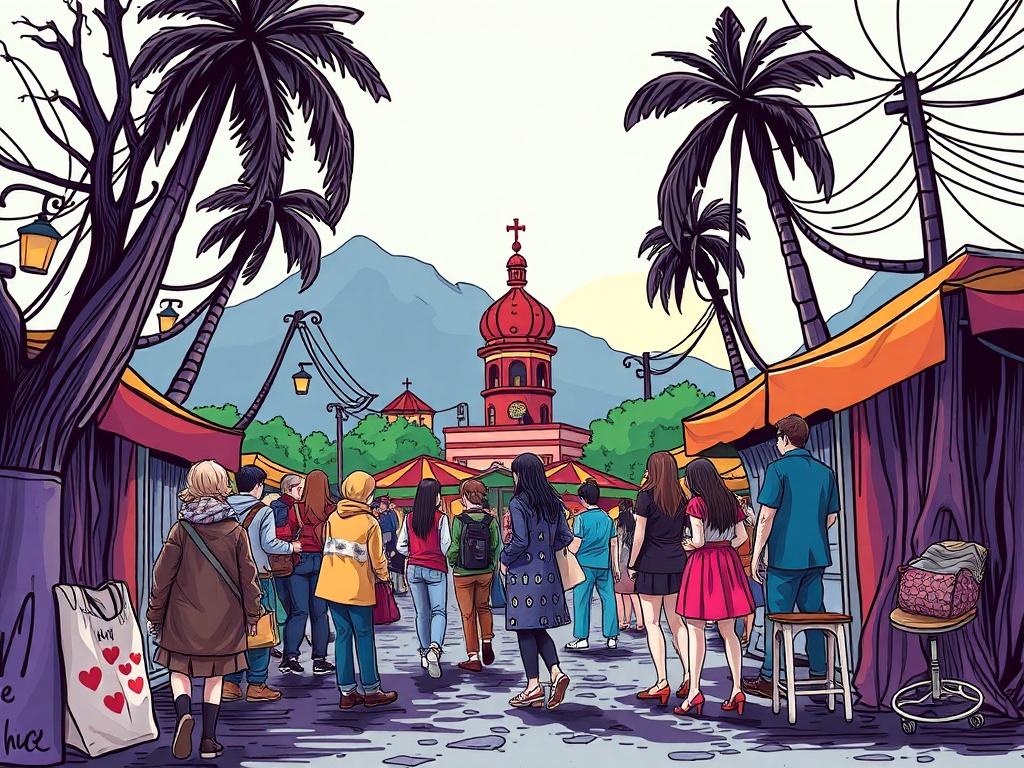
– Pop-up shops and markets: Temporary retail spaces give emerging brands an affordable platform to test products, build an audience, and collaborate with peers.
– Collaborative collections: Designers team up on capsule lines or shared lookbooks to cross-pollinate audiences and cut marketing costs.
– Workshops and maker spaces: Sewing circles, pattern-making classes, and screen printing sessions teach skills while building relationships.
– Digital hubs: Localized social media groups, neighborhood marketplaces, and email lists keep members informed about events, restocks, and sales.
– Styling events and runway shows: Low-cost neighborhood shows and presentation nights spotlight local talent and create opportunities for press coverage.
How to get involved
– Attend community markets and open-studio events to meet makers and discover local product lines.
– Join or create local online groups to stay current with pop-ups, repair events, and collaborative opportunities.
– Volunteer at fashion-focused nonprofit initiatives or mentorship programs to support emerging designers and circular fashion efforts.
– Host or participate in clothing swaps, repair clinics, and upcycling workshops to practice sustainable consumption.
– Partner with neighborhood businesses—cafés, galleries, galleries, and co-working spaces—for cross-promotion and shared foot traffic.
Tips for independent designers and retailers
– Tell the story: Highlight the people, processes, and materials behind each piece to create emotional value.
– Leverage micro-influencers: Local tastemakers with engaged audiences often offer more authentic reach than larger influencers.
– Focus on community-first marketing: Host events, offer loyalty benefits for neighbors, and showcase customer stories.
– Emphasize fit and service: Personalized fittings, alteration offers, and styling consultations build deeper customer relationships.
– Use flexible retail formats: Rotate stock in pop-ups, collaborate with other shops for trunk shows, or test products at markets before committing to long-term leases.
Challenges and how communities solve them
Independent fashion faces hurdles like limited budgets, rising rents, and supply-chain pressures. Community solutions—shared studio space, cooperative buying groups, and skill-sharing workshops—help spread costs and reduce barriers to entry. Local networks also amplify marketing, making it easier to reach customers who care about provenance and personality.
Why it benefits shoppers
Shoppers discover one-of-a-kind items, receive personalized service, and support local economies. Participating in community events also offers social value: networking, skill development, and a sense of belonging that makes shopping an experience rather than a transaction.
Getting started is simple: check neighborhood event listings, follow local fashion accounts on social platforms, or drop into a maker space. Whether purchasing a handcrafted garment, swapping clothes with friends, or collaborating on a pop-up, engaging with local fashion communities changes how style is made, sold, and celebrated—one neighborhood at a time.