Local Fashion Communities: How to Build a Sustainable, Inclusive Neighborhood Fashion Ecosystem
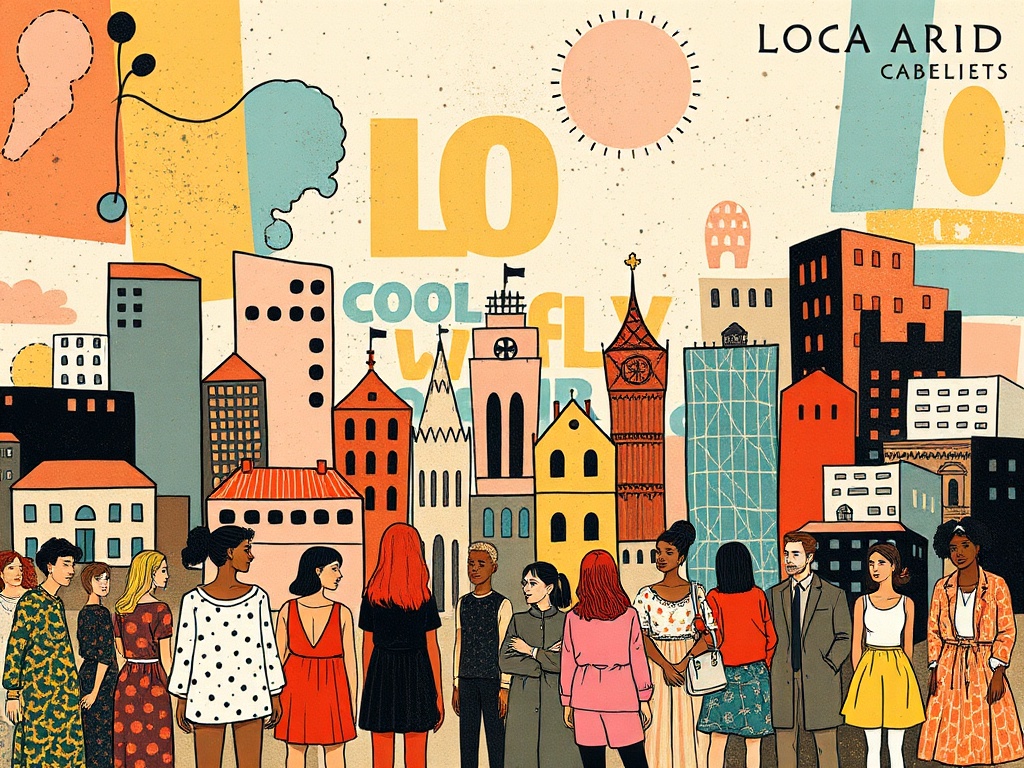
Local fashion communities are quietly reshaping how style is discovered, produced, and celebrated. Rooted in neighborhood culture and driven by makers, stylists, and shoppers who prioritize authenticity, these communities create vibrant ecosystems where creativity and commerce meet responsibility.
Why local fashion communities matter
– Economic resilience: Supporting local designers and retailers keeps money circulating in the neighborhood, helping small businesses thrive and creating jobs.
– Cultural identity: Local style reflects regional taste, heritage, and climate, offering fresh alternatives to mass-produced trends.
– Sustainability: Shorter supply chains, upcycling events, and locally produced pieces reduce transportation emissions and excess inventory waste.
– Inclusivity and accessibility: Community-driven initiatives often prioritize diverse sizing, adaptive clothing, and accessible price points.
How communities form and thrive
Local fashion communities form around shared spaces and activities: weekly markets, pop-up shops, co-op boutiques, sewing circles, and social-media groups. A healthy community blends in-person connection with an online presence that amplifies voices and makes participating easy across schedules and geographies.
Practical ways to engage or launch a local fashion community
– Host pop-ups and trunk shows: Temporary retail activations introduce designers to new customers with low overhead. Partner with a café, gallery, or bookstore to leverage existing foot traffic.
– Organize clothing swaps and repair clinics: Swaps reduce consumption while repair workshops teach practical skills and build loyalty.
– Create co-op retail spaces: Shared storefronts allow designers to split costs, test products, and collaborate on merchandising and events.
– Run skill-sharing workshops: Pattern drafting, upcycling, screen printing, and sustainable dyeing attract makers and hobbyists, and generate repeat engagement.
– Launch local marketplaces online: Curated directories and apps focused on neighborhood designers make discovery simple and searchable.
Marketing strategies that work locally
– Optimize local SEO: Claim business listings, use neighborhood and city keywords, and encourage reviews.
Include “near me” and local landmarks in copy where natural.
– Use community hashtags and storytelling: Feature maker profiles, behind-the-scenes production shots, and customer stories to build emotional connection.
– Partner with adjacent businesses: Collaborate with florists, cafes, and galleries for cross-promotion and bundled experiences.
– Leverage micro-influencers: Local creators with engaged followings often deliver higher conversion than broader influencers.
Sustainability and inclusivity as pillars
Prioritize transparent sourcing, repairability, and circular practices. Offer clear care instructions and repair/refurbish services to extend garment life. Ensure size inclusivity and adaptive options from the design stage; community input sessions and fit prototypes help brands address real needs.
Measuring impact and growth
Track metrics that map to goals: foot traffic and conversion at pop-ups, sign-ups for newsletters and workshops, social engagement rates, and local press mentions. Use simple tracking methods like UTM-coded links and QR codes at events to understand what drives interest and sales.
Case-forward thinking
Communities that combine commerce with culture create staying power. Regular programming—seasonal markets, monthly repair labs, and collaborative capsule collections—keeps momentum and encourages word-of-mouth growth. Local fashion communities also provide fertile ground for experimentation: limited runs, size-inclusive trials, and sustainable material tests can be piloted with loyal local customers before scaling.
Getting started
Attend a market, volunteer at a repair clinic, or pitch a pop-up collaboration. Small actions—wearing a local label publicly, tagging designers, or leaving thoughtful reviews—reinforce the network and invite more people to join.
Local fashion communities thrive when participation is easy, creative, and welcoming.