Local Fashion Communities: How to Build Sustainable Style and Support Makers
Local fashion communities are quietly reshaping how style is discovered, produced, and valued. By connecting designers, makers, shoppers, and makerspaces, these communities turn fashion into a local economy, cultural expression, and sustainability engine. Here’s how they work and how you can plug in.
Why local fashion communities matter
– Economic resilience: Independent brands and pop-up markets keep money circulating within neighborhoods, supporting small shops, tailors, and suppliers.
– Cultural identity: Local designers translate neighborhood stories into garments, preserving and celebrating regional aesthetics.
– Environmental impact: Small-batch production, clothing swaps, repair cafes, and maker collaborations reduce waste and cut the carbon footprint of fast fashion.
– Networking and mentorship: Emerging designers pair with experienced makers, sharing skills like pattern making, sourcing, and merchandising.
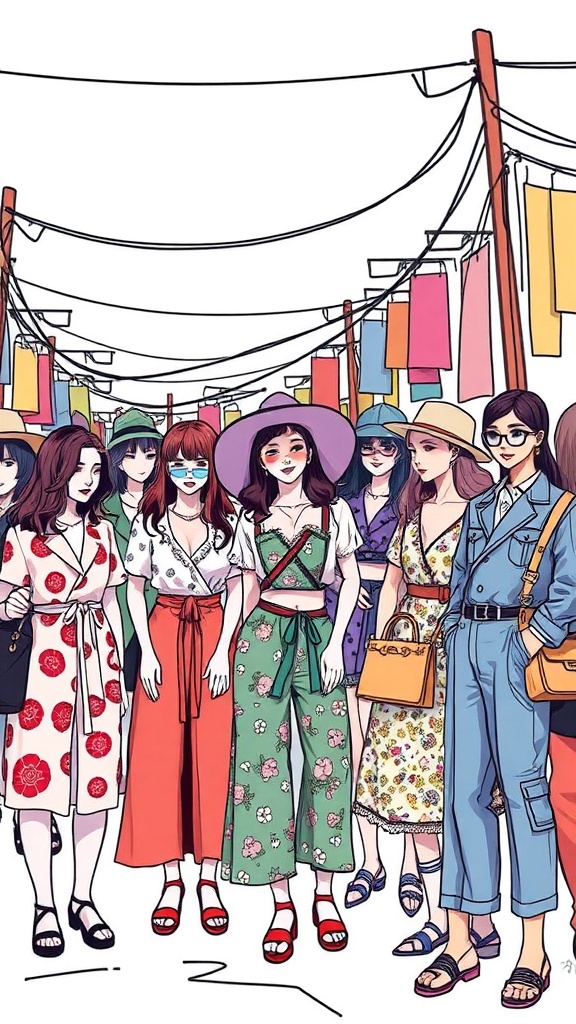
Where local fashion communities thrive
– Marketplaces and pop-ups: Weekend markets and trunk shows give independent labels visibility without the cost of permanent retail.
– Maker spaces and sewing circles: Shared equipment and skill swaps lower the barrier to producing quality pieces.
– Community boutiques and co-ops: Shared retail spaces allow several brands to test products, split costs, and cross-promote.
– Online local groups: Neighborhood social platforms, Instagram communities, and marketplace apps help local creators reach nearby customers.
How creators can build and grow a local presence
– Start small and visible: Host a pop-up stall at a local market or collaborate with a café for a trunk show to get immediate feedback.
– Tell the story: Share the process behind each piece—materials, inspiration, and who made it—to build trust and emotional value.
– Partner with neighbors: Team up with florists, jewelers, or local photographers for cross-promotions that expand audience reach.
– Offer workshops: Teaching sewing, mending, or styling workshops attracts people who become brand advocates and repeat customers.
– Prioritize sustainability: Use deadstock, natural fibers, or a transparent repair policy to appeal to conscious consumers.
How shoppers and supporters can get involved
– Shop small and seasonal: Favor locally made pieces or smaller runs to support diverse, sustainable offerings.
– Attend swaps and repair events: These reduce waste and build relationships with local makers and menders.
– Advocate for accessibility: Suggest sliding-scale tickets, family-friendly hours, and wheelchair access for events to make communities inclusive.
– Share and amplify: Post photos, leave reviews, and tag local creators to expand their reach online.
Measuring success and staying adaptable
– Track meaningful metrics: Focus on repeat customers, workshop sign-ups, and collaborative projects rather than vanity metrics alone.
– Collect feedback: Short surveys at events or post-purchase emails reveal what to scale or refine.
– Keep experimenting: Seasonal pop-ups, capsule collections, or limited collaborations help test new ideas without heavy investment.
Practical quick-start tips
– Join or start a neighborhood listserv or group for local makers.
– Host a clothing swap or repair clinic at a community center or park.
– Offer a small batch or limited-release item exclusive to an event to drive foot traffic.
– Use local hashtags and location tags to attract nearby customers who prefer to shop in-person.
Local fashion communities are about more than clothes—they’re a way to reclaim creativity, reduce waste, and invest in neighborhood economies. Whether you’re a designer seeking a foothold, a maker sharing tools, or a shopper looking to support craft and sustainability, engaging with local fashion communities creates value that extends far beyond the garment rack.