Local Fashion Communities: How to Join, Support, and Organize Sustainable Neighborhood Style
Local fashion communities are vibrant neighborhood ecosystems where creativity, commerce, and culture intersect. They bring together independent designers, vintage sellers, makers, stylists, and shoppers who value authenticity and locality over mass-produced trends. These communities shape unique fashion identities, support small businesses, and promote more sustainable approaches to style.
Why local fashion communities matter
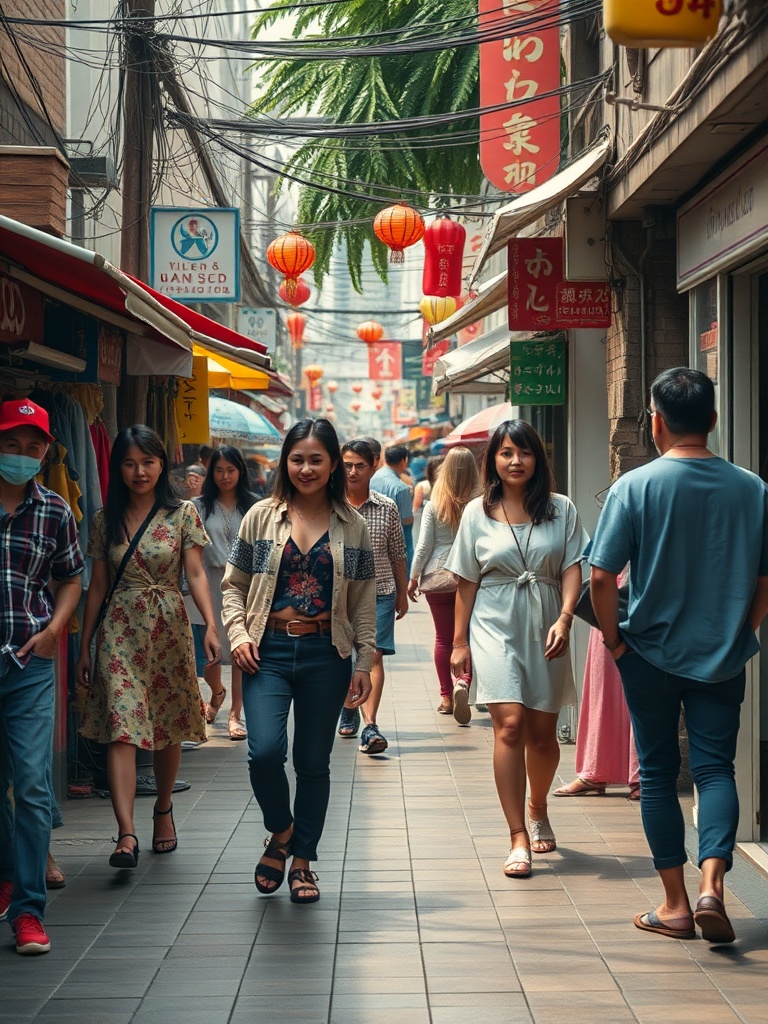
– Economic impact: Local networks help microbrands and artisans reach customers without the overhead of large retail spaces.
Pop-up shops, shared studio spaces, and neighborhood markets create low-cost entry points for emerging talent.
– Sustainable choices: Community-driven fashion encourages clothing swaps, repair cafes, and resale events that extend garments’ lifespans and reduce waste. Local sourcing often means lower transport footprints and increased transparency about materials and labor.
– Cultural expression: Local scenes reflect the diversity of their neighborhoods. They incubate hybrid aesthetics that mix heritage, streetwear, craft, and innovation—resulting in style that can’t be replicated by global fast-fashion chains.
– Skill sharing and mentorship: Workshops, panel talks, and collaborative projects enable knowledge transfer between experienced makers and newcomers, strengthening the overall design and production ecosystem.
Where these communities gather
– Markets and pop-ups: Weekend markets and curated pop-ups are high-impact ways for designers to test products, gather feedback, and build a local following.
– Co-working studios and maker spaces: Shared production spaces lower barriers for small-batch production and make it easier to collaborate with pattern makers, seamstresses, and photographers.
– Social platforms and neighborhood groups: Instagram, local Facebook groups, and niche resale apps often act as the digital storefront and event calendar for local scenes.
– Consignment shops and vintage stores: These retailers act as curators, introducing customers to local designers alongside global classics.
– Community centers and art spaces: Galleries and community halls often double as venues for runway shows, swap meets, and textile workshops.
How to get involved
– Attend an event: Start by visiting a market, pop-up, or swap meet to meet designers and other shoppers in person.
– Join online groups: Follow local hashtags, join neighborhood social channels, and subscribe to community newsletters to stay informed about events and opportunities.
– Volunteer or barter skills: Offer photography, social media, or retail help to a local designer in exchange for learning or product credits.
– Host a swap or repair clinic: Small, regular events build trust and keep people returning.
– Shop intentionally: Prioritize local brands and vintage finds to support the ecosystem’s economic and creative health.
Tips for organizers
– Keep events accessible: Affordable stall fees, sliding-scale ticketing, and diverse venues increase participation.
– Build partnerships: Collaborate with cafés, galleries, and community organizations to expand reach and share resources.
– Create recurring programming: Monthly markets, quarterly themed shows, or seasonal workshops help maintain momentum.
– Emphasize storytelling: Highlight maker stories and production processes to deepen customer connection and trust.
Local fashion communities are catalysts for change—nurturing creative talent, lowering barriers to entry for entrepreneurs, and promoting more intentional consumption.
Whether you’re a maker, stylist, shopper, or supporter, connecting locally offers a way to influence how fashion is made, sold, and worn in your neighborhood.
Start by finding one local event or group and attend with curiosity: small steps often lead to meaningful collaborations and lasting style communities.