Local Fashion Communities: Redefining Sustainable Style and How to Join
Local fashion communities are quiet powerhouses shaping how people shop, style, and think about clothing. Rooted in neighborhoods, co-working makerspaces, and hyperlocal online groups, these communities bring creativity, sustainability, and commerce together in ways that big brands struggle to replicate.
Why local fashion communities matter
Local fashion scenes offer authenticity and immediacy. Members get direct access to makers, can try pieces in person, and influence product direction. Designers and small boutiques benefit from real-time feedback and a loyal customer base that values story and craftsmanship over mass-produced trends. For consumers, that translates into unique wardrobe pieces, opportunities for customization, and a chance to support circular fashion practices.
Where they form and how they grow
– Physical hubs: pop-up markets, trunk shows, and collaborative retail spaces provide face-to-face touchpoints. These events create memorable experiences that convert casual browsers into repeat customers.
– Digital neighborhoods: private social groups, neighborhood apps, and niche marketplaces enable members to trade clothing, share styling tips, and organize meetups without geographic limits.
– Educational spaces: workshops on pattern-making, sustainable dyeing, or alteration build skills and deepen community ties, turning shoppers into creators.
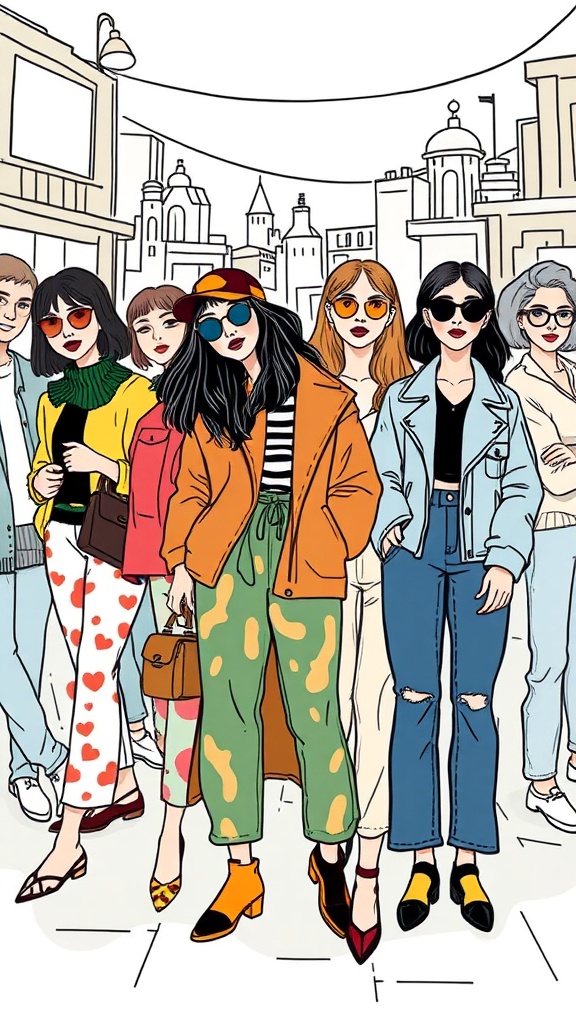
Sustainability and circular fashion as cornerstones
A defining feature of many local fashion groups is a focus on reducing waste.
Clothing swaps, mending cafes, and repair clinics extend the lifecycle of garments. Small designers increasingly source deadstock fabrics or offer made-to-order models that cut inventory waste. These practices resonate with shoppers looking to minimize environmental impact while maintaining style.
Inclusivity and diversity
Local communities often lead the way in inclusive representation—celebrating a range of sizes, body types, ethnic backgrounds, and gender expressions. Community-driven fashion shows, inclusive styling sessions, and collaborative collections created with lived-experience input make local scenes more accessible and authentic than some mainstream channels.
How to join or start a local fashion community
– Attend one event: start by visiting a market, a repair clinic, or a styling workshop. Face-to-face introductions accelerate trust and involvement.
– Offer value: contribute by teaching a skill, volunteering at an event, or sharing curated content in community groups.
Active contributors become recognized connectors.
– Use existing platforms smartly: create a hashtag for local makers, launch a simple newsletter highlighting designers, or set up a private group to facilitate safe exchanges and event planning.
– Partner with local businesses: coffee shops, libraries, and schools can host pop-ups or workshops, expanding reach while keeping costs minimal.
Monetization without compromising ethos
Designers and organizers can generate revenue through small-ticket workshops, membership tiers for exclusive access, commissions on curated marketplaces, and collaborative product drops. Transparency about pricing and production keeps trust intact—members want to know where materials come from and what portion supports the maker.
Best practices for longevity
– Prioritize accessibility: choose venues with good transit access, offer sliding-scale pricing, and ensure events are welcoming to newcomers.
– Keep communication consistent: regular newsletters, event calendars, and social posts maintain momentum.
– Measure impact: track attendance, member retention, and sales to refine programming and identify new opportunities.
– Celebrate wins: spotlight member stories, successful repairs, and sold-out products to amplify the community’s positive effects.
Local fashion communities are fertile ground for creativity, conscious consumption, and real human connection. Whether joining as a maker, shopper, or organizer, participating in these communities offers a meaningful way to shape the future of fashion from the neighborhood level up.