Local Fashion Communities: Small-Scale Style, Big Impact
Local Fashion Communities: Small-Scale Style, Big Impact
Local fashion communities are more than weekend markets and Instagram grids; they’re grassroots ecosystems that boost creativity, support small businesses, and shift the industry toward more sustainable, people-centered practices.
Whether you’re a maker, stylist, boutique owner, or style enthusiast, engaging with local networks unlocks opportunities that large-scale retail can’t replicate.
Why local fashion communities matter
– Economic support: Local designers and makers keep revenue circulating within neighborhoods, creating jobs and helping other small businesses thrive.
– Creative collaboration: Shared studios, co-op shops, and maker meetups foster rapid experimentation—leading to unique products and stronger regional style identities.
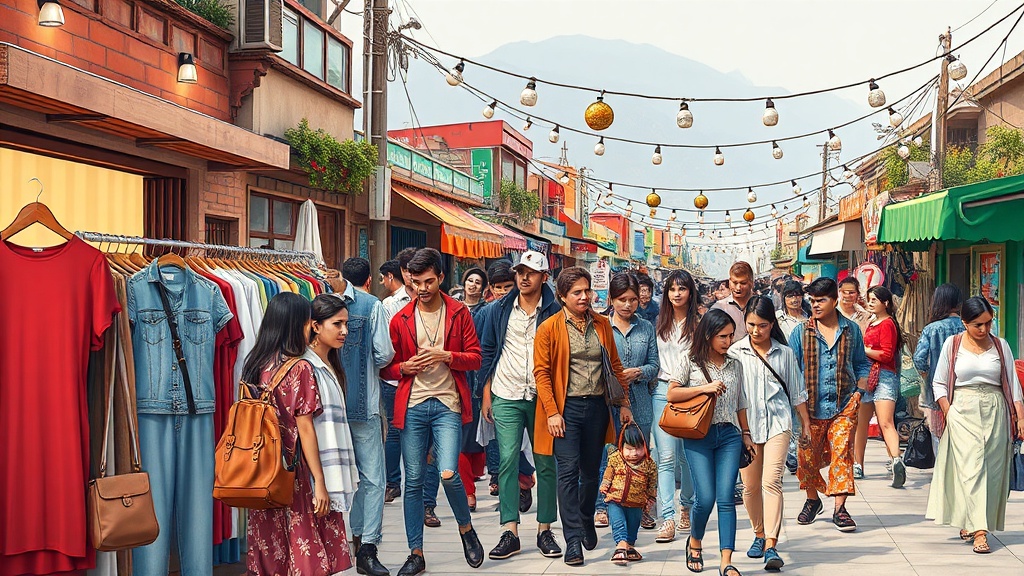
– Sustainability gains: Community-driven initiatives like clothing swaps, repair workshops, and slow-fashion pop-ups extend garment lifecycles and reduce waste.
– Authentic marketing: Word-of-mouth, live events, and local storytelling build trust faster than broad mass-market campaigns.
How to plug in and contribute
– Attend events: Pop-up markets, runway nights, and styling workshops are where connections happen.
Show up with business cards, a clear elevator pitch, and an open mind for collaboration.
– Join or start a swap: Clothing swaps lower consumption and introduce people to new-to-them pieces. Organize themed swaps—workwear, vintage, kids’ clothes—to attract different audiences.
– Collaborate on capsule collections: Designers and makers can co-create limited runs that highlight local craftsmanship and drive foot traffic.
– Offer skills exchanges: Host mending clinics, pattern-making sessions, or social-media demos to share expertise and raise collective quality.
– Create a co-op retail space: Shared storefronts reduce overhead and let complementary brands cross-promote, giving shoppers a curated local experience.
Digital tools that amplify local reach
– Local hashtags and directories make discovery easy—use consistent tags and participate in neighborhood business listings.
– Short-form video and behind-the-scenes content humanize brands and highlight the craftsmanship that sets local fashion apart.
– Email newsletters and community messaging apps keep loyal customers informed about restocks, events, and limited releases.
Designing events that last
– Focus on quality over quantity: Smaller, well-curated gatherings create memorable experiences and better convert attendees into repeat customers.
– Mix commerce and culture: Pair shopping with live music, panel talks, or styling demos to draw diverse crowds and increase dwell time.
– Prioritize accessibility: Consider pricing tiers, sliding-scale vendor fees, and inclusive scheduling to broaden participation.
Measure impact
Track direct sales, repeat customers, and social engagement, but also pay attention to less tangible signs of success: the number of collaborations formed, skills passed on at workshops, and the reduction in textile waste after community swaps.
Sustaining momentum
Local fashion communities thrive when participants give as much as they take.
Encourage mentorship programs that pair emerging designers with experienced makers, create revenue-sharing models for shared spaces, and celebrate wins publicly to keep enthusiasm high.
Getting started
If a local fashion community feels sparse in your area, start small: host a neighborhood swap, organize a styling night at a café, or gather a few makers for a pop-up.
Small, consistent actions build trust and credibility—and before long, local fashion becomes an undeniable cultural and economic force.
Engaging with local fashion communities enriches wardrobes and neighborhoods alike. When people trade, create, and showcase together, the result is original style that reflects the people and place behind it.