Mastering the Art of Fashion Retail: How Experiential Shopping is Shaping the Industry’s Future
Creating a Stellar Fashion Retail Experience: The New Competitive Advantage
In today’s fast-paced world, retail is so much more than the simple act of selling products.
It has transformed into an experience – a symphony of brand storytelling, customer engagement, and immersive environments. This is particularly true in the fashion industry where the retail experience can significantly shape a customer’s perception and loyalty towards a brand.
Understanding the Power of an Experiential Retail Experience
As the fashion industry continues to evolve, brands are increasingly focused on creating more interactive, personal, and memorable retail experiences. It’s no longer solely about the clothes, shoes, or accessories; it’s about how these purchases make customers feel. Today’s savvy fashion consumers are looking for an engaging shopping experience that resonates with their lifestyles and values.
A well-executed retail experience can promote brand loyalty, encourage repeat visits, and increase the likelihood of consumers sharing their positive experiences with others. It’s about making shopping an event rather than a chore, about adding an emotional layer to the retail process that goes beyond traditional transactional dynamics.
Key Elements of a Successful Fashion Retail Experience
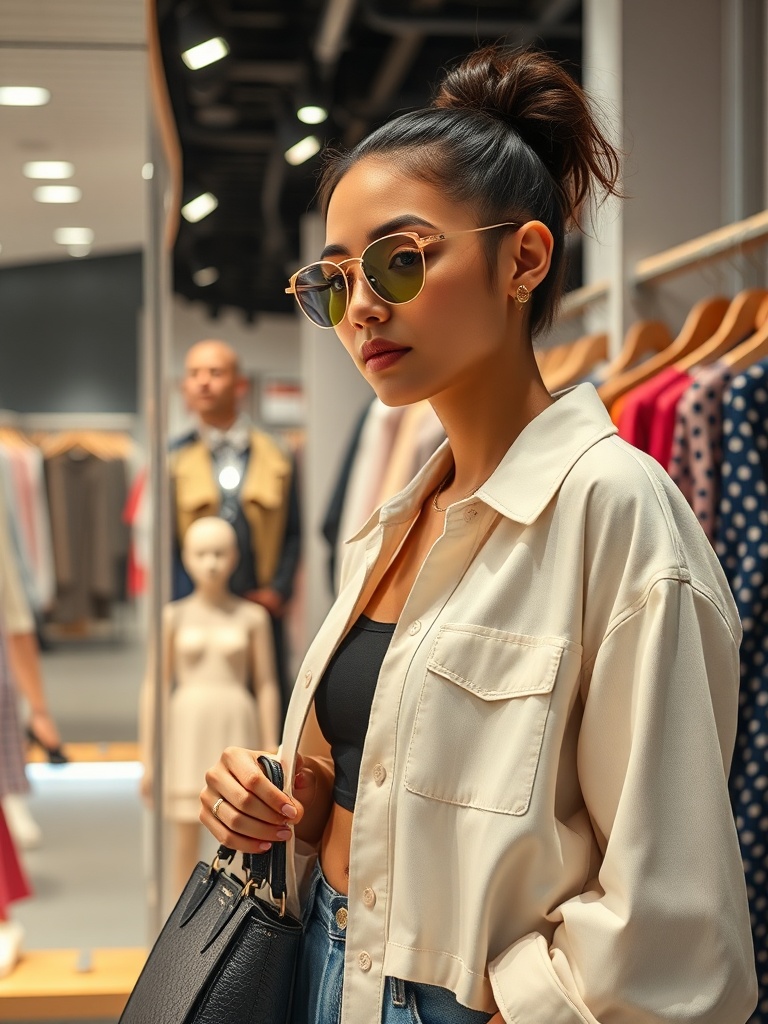
Designing a space that tells your brand’s story is one of the essential elements of a successful fashion retail experience. This can be achieved through visual merchandising, store layout, and design, or even through the use of innovative technologies that create a unique and engaging atmosphere.
Staff are also a key component. Knowledgeable, friendly, and helpful personnel can significantly elevate a customer’s shopping experience, helping them make informed decisions and ensuring they feel valued.
Additionally, integrating a seamless online-offline strategy can provide customers with the convenience of shopping how, when, and where they prefer. This includes strategies such as “click and collect,” online reservations for in-store fittings, or mobile checkouts.
Building Personalized Experiences in Fashion Retail
Another crucial aspect in fashion retail is personalization.
Consumers today expect brands to understand their unique preferences and cater to them.
This could be as simple as a sales associate remembering a customer’s style preferences or as complex as using data analytics to provide personalized product recommendations.
Moreover, loyalty programs are an effective way to create a personalized experience. These programs can encourage repeat business and provide valuable data for brands, but they must offer genuine value to customers to be effective.
The Future of Fashion Retail Experience
As the retail landscape continues to evolve, brands must constantly innovate to stay ahead. Virtual and augmented reality, for example, are being used to create immersive fitting room experiences, allowing customers to see how clothes would look on them without physically trying them on.
Sustainability is another area of growing importance in the fashion industry. More and more consumers are becoming aware of the environmental impact of fashion, and they’re seeking out brands that align with their values. Brands that can demonstrate a commitment to sustainability — through ethical sourcing, sustainable materials, or other initiatives — can build stronger connections with these consumers.
In the ever-evolving world of fashion retail, the most successful brands will be those who understand that an exceptional retail experience goes beyond the products. It involves creating a space that tells a story, employs staff that enhance the customer journey, integrates online and offline strategies, and builds personalized experiences. This is the new competitive advantage in the fashion industry — and it’s a trend that’s here to stay.