Omnichannel Fashion Retail: How to Create Memorable Experiences and Drive Loyalty
Fashion retail is evolving from transactions to memorable experiences.
Customers expect seamless journeys that blend digital convenience with tactile, human moments — and brands that get this mix right win loyalty, higher average orders, and powerful word-of-mouth.
Designing a unified omnichannel journey
Shoppers move fluidly between apps, social platforms, desktop sites, and brick-and-mortar stores. A unified approach to inventory, pricing, and customer profiles removes friction: click-to-collect, ship-from-store, and easy in-store exchanges are no longer perks but expectations. Use consistent visuals and messaging across channels so the brand voice feels familiar whether a customer is browsing on mobile or trying on in a fitting room.
Make personalization feel human, not creepy
Personalization is now table stakes, but the best implementations feel helpful rather than intrusive. Use purchase history and engagement signals to surface relevant product suggestions, tailored promotions, and curated collections. Offer opt-in experiences — style quizzes, wish lists, and appointment bookings — so customers control the level of personalization they receive.
Turn stores into experience centers
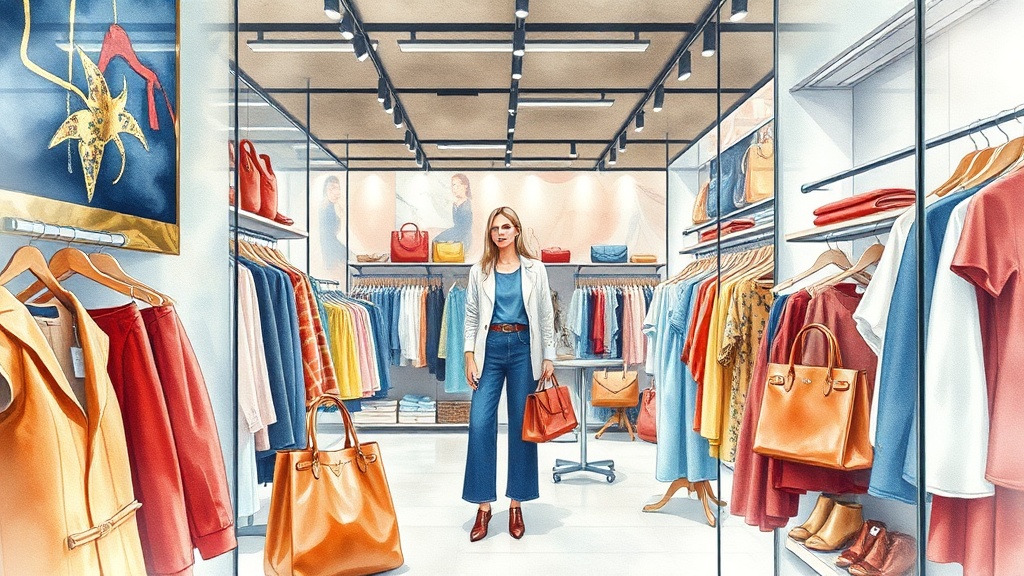
Physical locations thrive when they offer something online can’t: touch, community, and surprise. Think pop-up collaborations, limited-edition drops, styling workshops, and in-store events. Integrate technology where it enhances the visit — digital lookbooks, mobile-assisted payments, and smart mirrors that show alternate colors or sizes — but keep staff empowered to provide real human service and product knowledge.
Make sustainability and transparency part of the experience
Sustainable practices are increasingly central to purchase decisions.
Highlight material sourcing, production practices, and repair or recycling options clearly at the point of sale. Supporting resale, rental, or take-back programs can extend product life and show that the brand takes circularity seriously.
Clear, honest communication about sustainability builds trust and becomes a differentiator in competitive markets.
Leverage social commerce and community
Social platforms are not just marketing channels — they’re active sales and discovery engines. Integrate shoppable content, use creators authentically, and host live shopping or interactive tutorials that let customers ask questions in real time. Community-driven features like customer galleries, reviews with outfit photos, and peer-to-peer styling advice convert inspiration into purchases.
Streamline checkout and returns
Friction at checkout kills conversions.
Offer multiple payment options, saved preferences, and fast guest checkout. Returns should be straightforward and ideally offer alternatives like exchanges or in-store credit to retain value. Quick, transparent return processes reduce post-purchase anxiety and improve lifetime value.
Measure what matters
Track metrics that reflect the full experience: online-to-offline conversion, average order value, repeat purchase rate, net promoter score, and return rates by channel. Use customer feedback loops — post-purchase surveys and in-store exit interviews — to continuously refine touchpoints.
Staffing and training: the human edge
Well-trained, empowered staff are a brand’s best ambassadors. Invest in training that covers product knowledge, customer psychology, and omnichannel tools.
Incentivize behaviors that drive long-term loyalty, like personalized recommendations and proactive follow-ups.
Final thoughts
Great fashion retail experiences connect convenience, credibility, and emotion.
By blending seamless technology, transparent sustainability, experiential retail, and thoughtful human service, brands create shopping journeys that customers return to and recommend. Focus on simplifying the path from inspiration to purchase while creating moments that feel uniquely memorable.