– Omnichannel Retail Strategies for Fashion Brands
The modern fashion retail experience is evolving beyond transactions into immersive relationships.
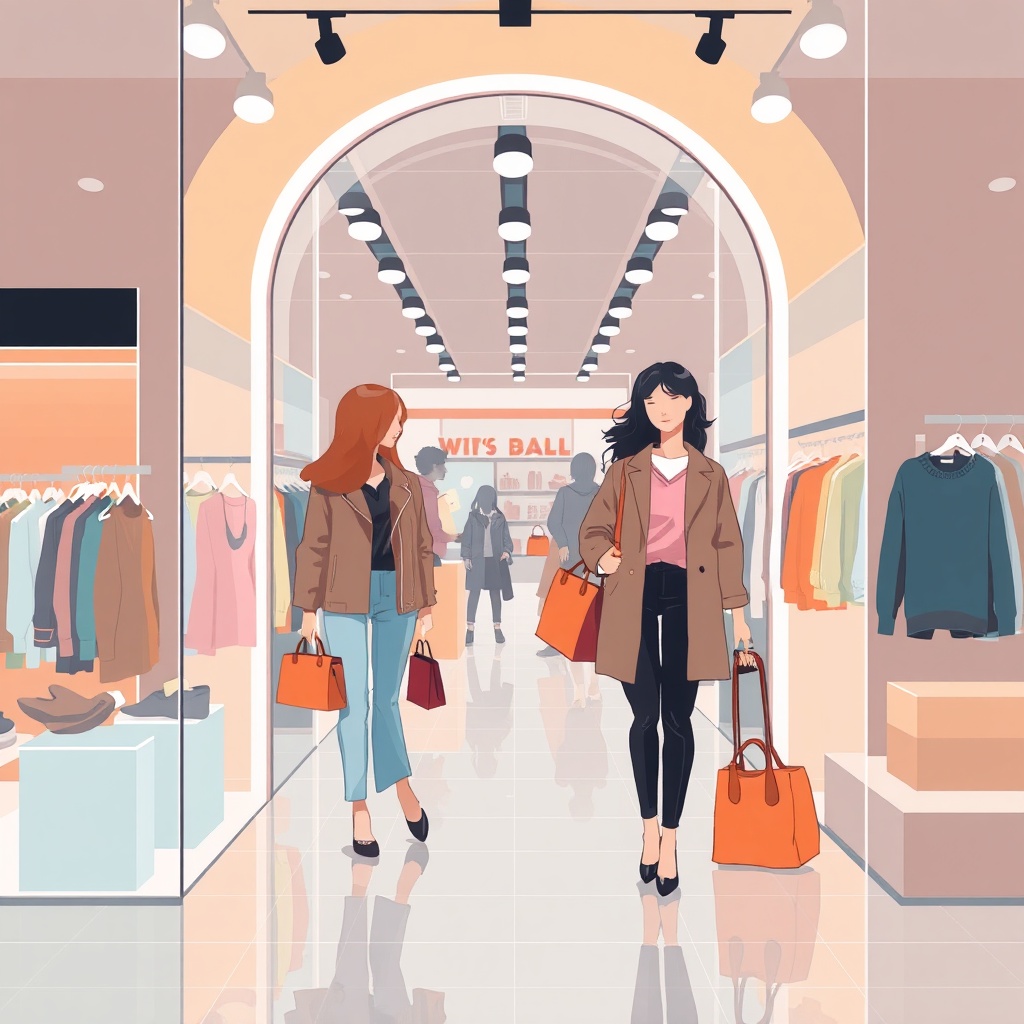
Shoppers expect seamless interactions across channels, fast and transparent service, and purposeful brand connections. Retailers that balance convenience with creativity create memorable moments that turn casual browsers into loyal customers.
Omnichannel integration: a unified journey
Customers move fluidly between web, mobile, social, and physical stores. A cohesive omnichannel strategy ties inventory, promotions, and loyalty across touchpoints so shoppers can start browsing on a phone, try in-store, and complete the purchase where it’s most convenient. Key tactics include accurate real-time inventory, flexible fulfillment options like buy-online-pickup-in-store, and consistent messaging that preserves brand voice across platforms.
Personalization without friction
Personalization increases conversion when done respectfully and usefully. Leverage purchase history, browsing behavior, and declared preferences to surface relevant items, recommend complete outfits, or trigger tailored promotions. Keep data-collection transparent and give customers control over preferences to build trust. Personalized emails, targeted site merchandising, and loyalty perks that reflect past behavior all raise lifetime value while enhancing the shopping experience.
In-store technology and experiential retail
Physical stores remain crucial for discovery and tactile evaluation.
Technology should enhance, not replace, human interactions. Smart fitting rooms that suggest complementary items, mobile point-of-sale to reduce wait times, and digital lookbooks help shoppers visualize outfits. Create spaces for events, styling sessions, and community experiences to turn stores into destination points rather than mere distribution centers.
Sustainability and ethical transparency
Sustainability is a major driver of purchasing decisions. Clear labeling about materials, production practices, and care instructions builds credibility.
Offer repair services, take-back programs, and transparent sourcing stories to reinforce commitment. Communicate sustainability efforts across channels in a straightforward way, avoiding greenwashing and focusing on verifiable steps that resonate with conscious consumers.
Fulfillment, returns, and last-mile considerations
Fast, reliable fulfillment is table stakes. Offer multiple shipping speeds, curbside pickup, and convenient return options with clear policies to reduce friction. Streamline reverse logistics with prepaid labels, locker returns, or in-store drop-offs. A simple and low-cost return experience encourages more purchases and reduces cart abandonment.
Visual merchandising and storytelling
Curated displays and cohesive storytelling make products feel relevant. Use cross-merchandising to suggest complete outfits and lifestyle contexts. Seasonal edits, capsule collections, and editorial content help shoppers imagine how pieces fit into their lives. Strong photography, short product videos, and user-generated content enhance trust and reduce returns.
People-first service
Well-trained staff who can advise on fit, styling, and product care remain a competitive advantage. Invest in training that emphasizes product knowledge, styling techniques, and digital tools so associates can provide informed, empathetic service both in-store and online.
Measuring success
Track metrics that reflect experience, not only transactions: repeat purchase rate, net promoter score, average order value with personalization, and return rates. Use these insights to iterate on merchandising, fulfillment, and customer communications.
Brands that prioritize fluid omnichannel experiences, meaningful personalization, ethical transparency, and human-centered service will stand out. Focus on reducing friction at every step while creating memorable moments that turn purchases into lasting relationships.