Recommended: Curated Fashion Collections: How Capsule Edits Drive Sales & Sustainable Style
Curated fashion collections have moved from niche editorial pages into mainstream retail and personal styling. Whether assembled by brands, boutiques, stylists, or algorithmic platforms, these thoughtfully selected assortments simplify shopping, highlight storytelling, and elevate the wardrobe with coherence and purpose.
What makes a curated collection effective
A strong curated collection is more than a group of trending items. It’s built around a clear narrative—seasonal palettes, a lifestyle theme, or a signature silhouette—that guides customers toward cohesive outfits rather than one-off purchases. Curators focus on:
– Versatility: pieces that mix-and-match to maximize outfits
– Quality over quantity: items with better fabrics and construction
– Digestibility: a streamlined selection that reduces decision fatigue
– Storytelling: imagery and copy that explain how pieces work together
Why brands invest in curation
Curated drops convert browsers into buyers by reducing overwhelm and creating urgency.
Collections allow retailers to:
– Showcase complementary products and increase average order value through cross-sell
– Strengthen brand identity via cohesive visual language and editorial content
– Test new concepts or categories in a controlled way
– Promote sustainable buying behaviors by encouraging thoughtful purchases
Personalization and technology
Today’s curated experiences blend human expertise with data. Stylists and creative directors set the aesthetic, while personalization engines tailor recommendations based on browsing behavior, purchase history, and size preferences. Features that enhance curated shopping include “shop the look” galleries, personalized edit emails, and smart filters that surface pieces by occasion or wardrobe role (e.g., workwear, weekend, travel).
Sustainability and capsule thinking
Curated collections naturally align with sustainable principles.
Capsule-style edits emphasize fewer, versatile pieces that reduce impulse buys and garment turnover.
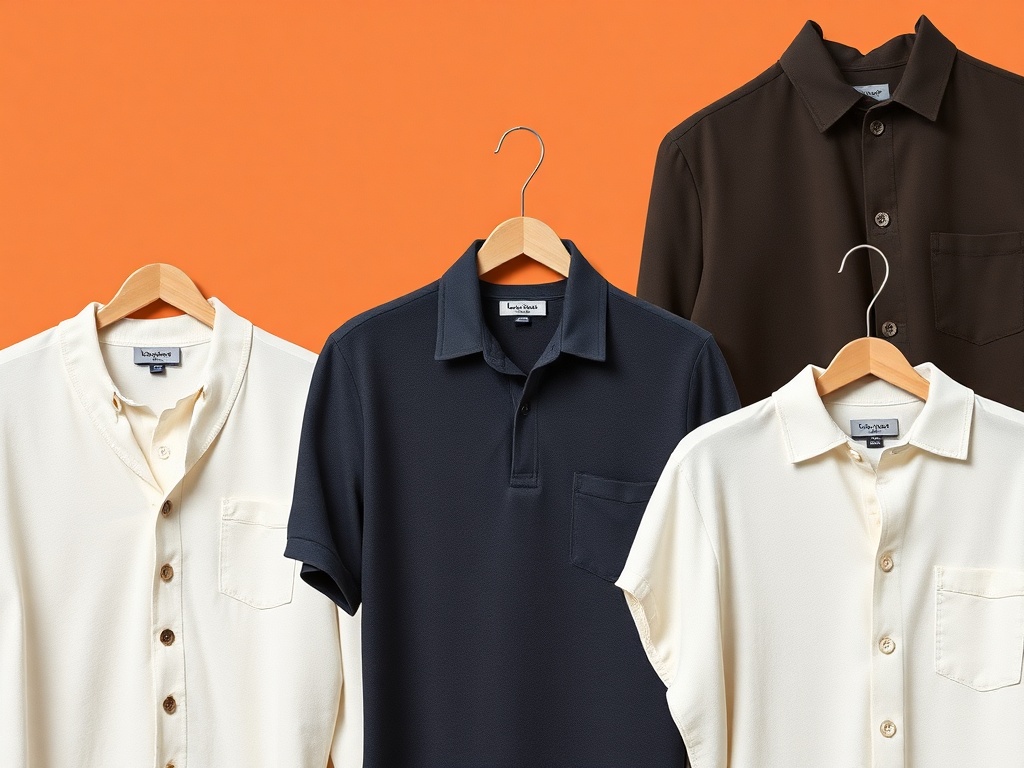
When curators prioritize transparency—materials, manufacturing, and care instructions—they empower shoppers to make more responsible choices. Limited-edition or pre-order curated drops can also reduce overproduction and waste.
Visual merchandising and storytelling
Imagery and context are central.
Lookbooks and short-form videos that show full outfits, layer possibilities, and real-life movement make it easier to imagine how a piece fits into daily life. Including styling notes, suggested combinations, and care tips enhances trust and reduces returns.
Tips for shoppers who want smarter buys
– Focus on the edit’s narrative: pick pieces that truly fit your lifestyle and can be worn multiple ways
– Check fabric and care details to estimate longevity
– Prioritize fit and tailoring; a well-fitting basic often outperforms a trendy piece
– Use curated capsules as a foundation—add statement or seasonal items to personalize the look
– Favor retailers that provide clear return policies and size guidance
For brands building curated collections
Start with a strong point of view and target customer profile. Use small, well-promoted drops to create momentum, amplify with editorial content and influencer partnerships that complement the brand voice, and leverage customer feedback to refine future edits.
Integrating tools like virtual try-on, size advice, and outfit suggestions reduces friction and improves conversion.
Curated fashion collections are more than merchandising—they’re a service. By simplifying choices, telling a cohesive story, and promoting versatility, they help shoppers build wardrobes that feel intentional, wearable, and more sustainable. Whether you’re shopping a boutique edit or launching a capsule line, curation turns clothes into a considered wardrobe strategy rather than a series of random purchases.