Redefining Retail: The Rise and Resilience of Boutique Fashion in Today’s Market
Fashion is a dynamic industry with trends and styles that shift like quicksilver. Amidst this vibrant scenery, boutique fashion retail stands as a captivating and thriving segment of the market. Today’s fashion-savvy consumers seek unique, high-quality apparel that speaks to their individuality, pushing boutique retailers to the forefront of the industry.
Boutique fashion retail offers a distinctive shopping experience that meets the growing demand for individualism and exclusivity. These small, specialized stores often focus on curating a unique collection that reflects a specific aesthetic or caters to a niche market. Unlike mainstream fashion retailers, boutiques pride themselves on their limited inventory, ensuring that each customer’s purchase holds a sense of originality.
One of the defining characteristics of boutique fashion is its focus on the customer experience.
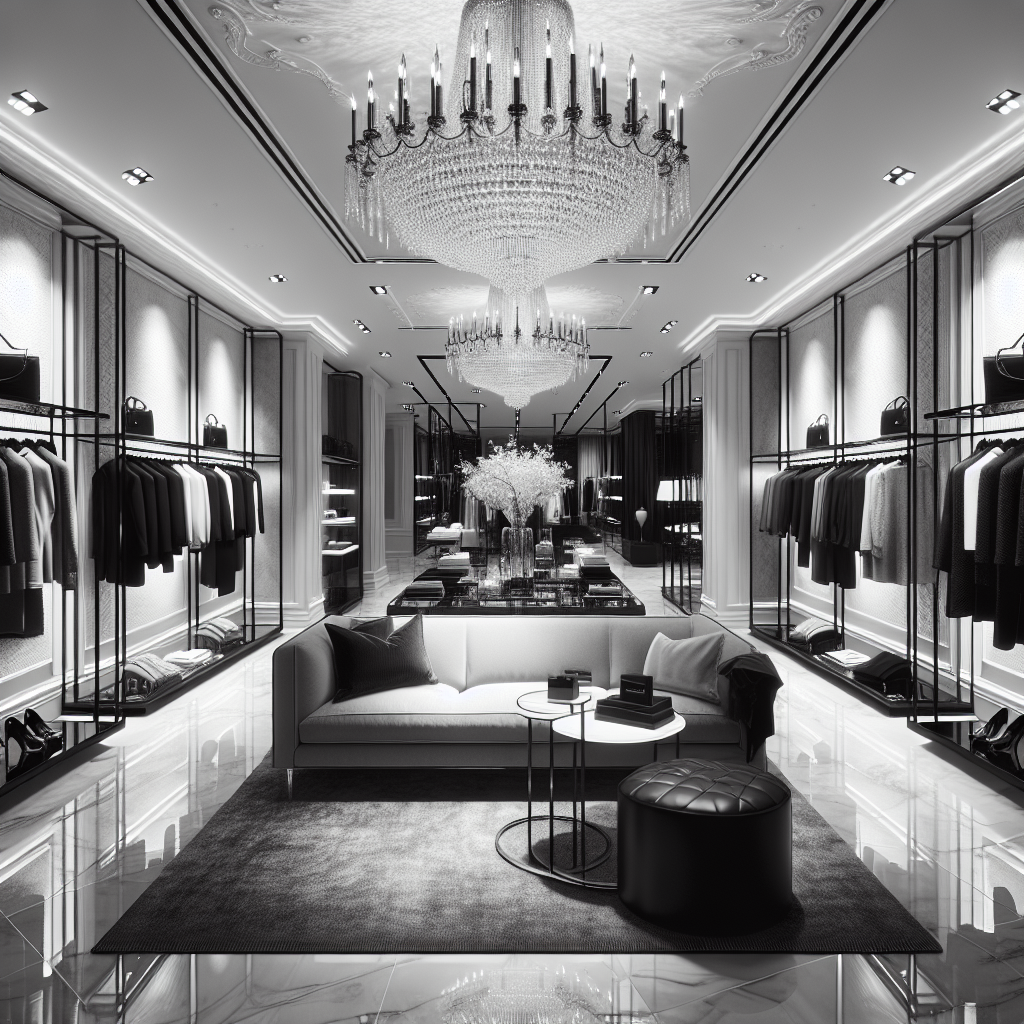
Boutique retailers understand that shopping is not just about the acquisition of items.
It’s a sensory experience – from the ambiance of the store to the personalized customer service.
This attention to detail creates an immersive, enjoyable shopping experience, emphasizing the distinct difference between boutique and mass-market retail shopping.
Boutique fashion retailers also offer a platform for emerging designers and independent labels. This platform gives these designers the visibility they need, allowing them to showcase their creativity and talent to a wider audience.
It also adds to the allure of boutique shopping, as customers get the opportunity to discover and support up-and-coming talent, often before these brands hit the mainstream market.
In addition to promoting new talent, boutique fashion retail is also leading the charge in sustainable fashion. With public awareness about the environmental impact of fast fashion at an all-time high, more consumers are seeking out sustainable alternatives. Boutique retailers are uniquely positioned to meet this demand by offering a curated selection of eco-friendly, ethically made clothing. This commitment to sustainability not only appeals to conscious consumers but also sets these retailers apart in a saturated market.
E-commerce has also transformed the landscape of boutique fashion retail.
While brick-and-mortar stores offer a tactile, personal experience, online boutiques offer a broader reach. They enable shoppers from all corners of the globe to explore and purchase unique pieces that might not be available in their local markets. The seamless integration of online and offline experiences – often referred to as “omnichannel retailing” – is a trend that many successful boutique retailers have adopted.
While the allure of boutique fashion retail lies in its uniqueness and exclusivity, one cannot ignore the role of digital marketing in its success.
From engaging social media content and influencer collaborations to meticulously crafted email newsletters and search engine optimized websites, digital marketing strategies play a crucial role in establishing a brand’s identity, building customer relationships, and driving sales.
In essence, boutique fashion retail, with its emphasis on individuality, quality, and sustainability, is more than just a shopping experience. It’s a lifestyle choice that resonates with today’s discerning consumers. As the fashion landscape continues to evolve, one thing is certain: boutique fashion retail is here to stay, carving out its unique niche in the industry and setting the pace for the future of fashion retail.