Rethinking Fashion Retail: How to Build Seamless, Sustainable Omnichannel Experiences
Rethinking the fashion retail experience means blending digital convenience with in-store magic. Shoppers expect more than merchandise; they want compelling, frictionless journeys that reflect brand values, offer personalization, and respect time and the planet. Retailers who optimize every touchpoint create loyalty and lift conversion.
Designing an omnichannel journey
Successful fashion retailers treat online and physical channels as one ecosystem. Seamless inventory visibility, consistent product information, and unified loyalty programs reduce friction.
Click-and-collect options should feel faster than delivery; reserve-in-store functions must link to staff tablets so associates can prepare items before the customer arrives. Mobile apps that mirror in-store promotions and let customers scan barcodes for fit guides and reviews keep the experience cohesive.
Make personalization meaningful
Personalization goes beyond inserting a name into an email.
Use behavioral signals—browsing history, previous purchases, and size preferences—to curate relevant recommendations and styling tips. In-store, digital kiosks can suggest complementary pieces and generate outfit grids that customers can save to their phones.
Privacy-focused data practices and transparent opt-ins build trust while improving relevance.
Create standout in-store experiences
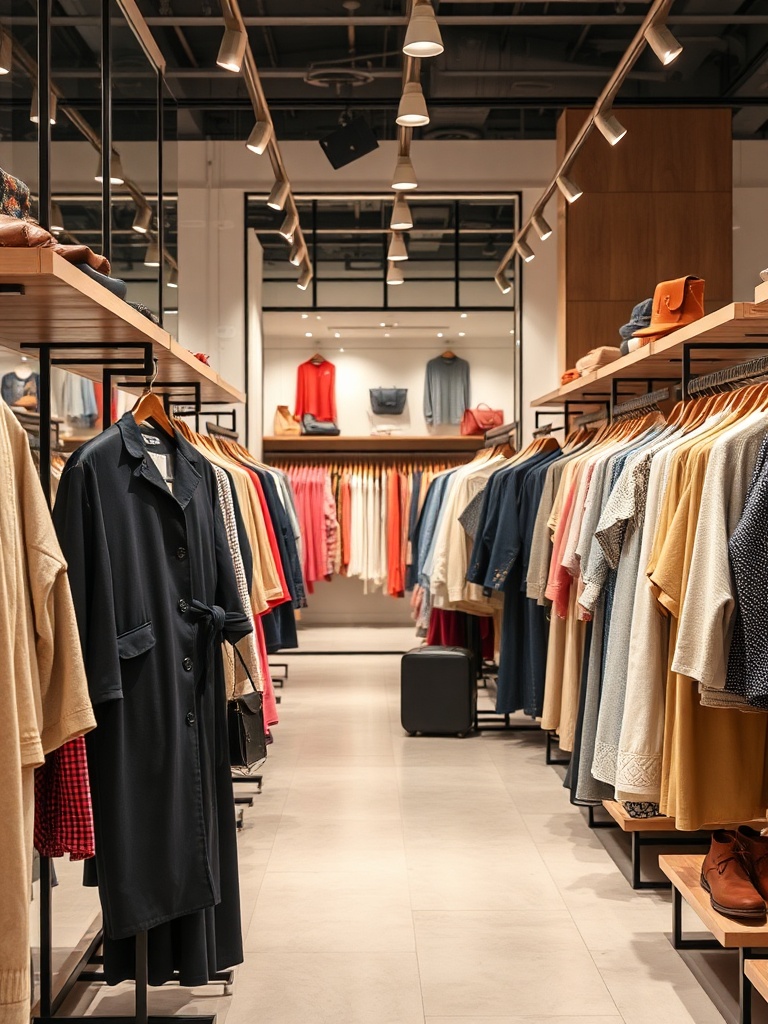
Stores should justify the trip. Focus on sensory design, thoughtful merchandising, and interactive elements:
– Flexible layouts that support touch-and-try and small events
– Comfortable fitting rooms with smart lighting, multiple sizes, and contactless request buttons
– AR try-on mirrors or mobile AR for footwear and accessories
– Dedicated styling zones for appointments, influencer pop-ups, or community gatherings
These choices transform stores into brand stages rather than mere distribution points.
Streamline checkout and fulfillment
Friction at checkout kills momentum.
Offer mobile POS, express self-checkout, and contactless payments. For returns and exchanges, turn them into retention opportunities by allowing instant in-store credit, easy exchanges, or styling consultations. Clear communication about shipping windows and restocks reduces cart abandonment.
Sustainability as part of the experience
Sustainability is a purchasing filter for many shoppers. Transparency about sourcing, repair programs, and take-back initiatives should be integrated into the retail experience. Visible care instructions, repair stations in-store, and resale or rental options extend the lifecycle of products and create new service revenue streams.
Train staff as brand evangelists
Well-trained sales associates are the bridge between product and person. Invest in product knowledge, digital tool training, and soft skills like active listening.
Equip staff with tablets that show customer preferences and inventory levels so they can offer faster, smarter service.
Measure what matters
Move beyond footfall and basket size. Track conversion rate by channel, average order value for omnichannel shoppers, fitting-room conversion, return rate by product, and customer lifetime value. Use qualitative feedback—post-visit surveys, mystery shoppers, and social listening—to uncover experience pain points.
Adapt quickly and iterate
Fashion retail moves fast. Test new layouts, limited-time collaborations, and tech pilots in a few stores before scaling. Small, frequent experiments reduce risk and surface what truly resonates with customers.
A modern fashion retail experience blends convenience, creativity, and conscience.
By making each interaction purposeful—whether digital or physical—brands deepen relationships, increase spend, and create advocates who return and refer.