Revitalizing Boutique Fashion: The Power of Personalization and Sustainability in Today’s Retail Industry
Reviving Boutique Fashion Retail: A Blend of Personalization and Sustainability
In the bustling market of fast fashion, boutique fashion retail has recently carved out its niche, offering customers an alternative. This industry segment places emphasis on quality, personalization, and sustainability, which resonates deeply with the modern, conscious shopper.
The charm of boutique fashion retail lies primarily in its capacity to offer uniqueness and exclusivity.
Today, consumers are increasingly keen on discovering styles that stand out from mass-produced fast fashion trends.
Boutiques, with their carefully curated collections of exclusive, sometimes one-of-a-kind pieces, provide the perfect platform for such style exploration.
The trend towards personalization in the retail sector has undoubtedly fueled the resurgence of boutique fashion.
Today’s customer is not just looking for a unique piece of clothing; they’re seeking a personalized shopping experience. Boutique retailers offer a level of customer service that, quite often, larger retailers tend to overlook. From personalized style advice to dedicated customer service, boutiques focus on creating a holistic, memorable shopping experience.
Moreover, the rise in consumer awareness regarding the environmental impact of fast fashion has also played a role in the comeback of boutique retail. Today, boutique retailers have an opportunity to differentiate themselves by focusing on sustainability. By offering pieces made of ethically-sourced materials, operating on a smaller scale to reduce waste, they appeal to the growing population of environmentally-conscious consumers.
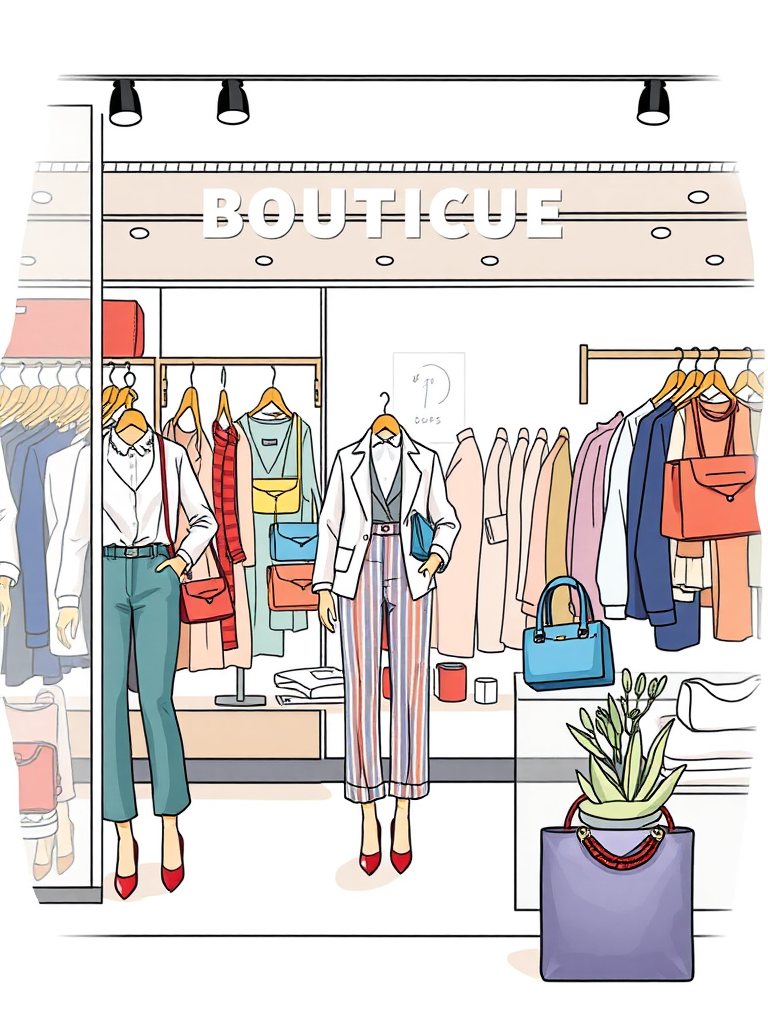
Boutiques also tend to have a stronger connection with local communities, as opposed to large scale retailers. This sense of community, combined with personalized service, gives consumers a feeling of contributing to local economies and supporting small businesses, which adds to the overall appeal of boutique shopping.
However, the boutique fashion retail industry is not without its challenges. The increasing competition from online retailers, the high cost of maintaining a brick-and-mortar store, and the constant need to update collections can put a strain on boutique retailers. To overcome these challenges, boutiques must continually adapt and innovate.
With the digital world dominating the retail scene, boutiques can leverage social media and e-commerce platforms to enhance their visibility and reach a wider audience.
The digital platform also allows boutiques to interact directly with their customers, receive feedback, and make necessary adjustments to their offerings.
Also, while high-quality, sustainable fashion may come with a higher price tag, savvy boutique retailers understand the value of educating their customers about the true cost of fast fashion and the benefits of investing in sustainable pieces. Through their practices, they are reshaping the fashion industry, promoting conscious consumerism, and leading the way toward a more sustainable future.
In the ever-changing landscape of fashion retail, boutique retailers have shown remarkable resilience and are well-poised to thrive in the current consumer climate.
By focusing on personalization, community connection, and sustainability, they deliver more than just clothes; they offer an experience, a lifestyle, and a statement that resonates with the modern consumer.
In essence, boutique fashion retail is more than just a trend. It is a response to the current consumer’s demand for personalized, quality, and sustainable fashion. And as long as these demands persist, boutique retail will continue to have a strong presence in the fashion industry.