Revolutionizing Fashion Retail: Bridging the Gap Between Online and Offline Shopping Experiences
Transforming the Fashion Retail Experience: A Seamless Blend of Online and Offline Shopping
In recent years, the retail landscape has undergone significant transformation. This evolution has been particularly evident in the fashion industry, where brands have shifted gears to cater to the changing needs and preferences of today’s discerning shoppers. This shift has led to the emergence of a hybrid shopping model, merging the best of both bricks-and-mortar and online retail to create a seamless, integrated experience for fashion-forward consumers.
The primary driving force behind this evolution is the rise of digital technology, which has largely contributed to shaping customer expectations.
Today’s consumers are not just looking for high-quality, stylish clothing items. They also desire a shopping experience that is convenient, personalized, and engaging—a retail journey that saves them time, offers them choice and meets their needs at every touchpoint.
Brick-and-mortar fashion retailers have long been the traditional choice for shoppers seeking an immersive, tactile experience.
The opportunity to feel fabrics, try on clothing, and see true colorations is unmatched. Yet, the appeal of online shopping is apparent in its convenience. With just a few clicks, shoppers can browse through vast selections, compare prices, and read reviews from other customers.
Sophisticated retailers have duly noted these differing consumer preferences and are creating hybrid retail experiences that offer the best of both worlds.
They’re achieving this through the use of technology, such as virtual reality (VR) and augmented reality (AR), which allows customers to virtually ‘try on’ clothes from the comfort of their homes or fitting rooms equipped with smart mirrors that suggest outfits based on a customer’s preferences and previous purchases.
In addition to integrating technology, successful fashion retailers are also focusing on the importance of personalized customer experiences. By using customer data to understand shopping patterns, preferences, and behaviors, retailers can provide personalized product recommendations and tailored shopping experiences. Customers are more likely to make a purchase (and return) when they feel that a brand understands their personal style and needs.
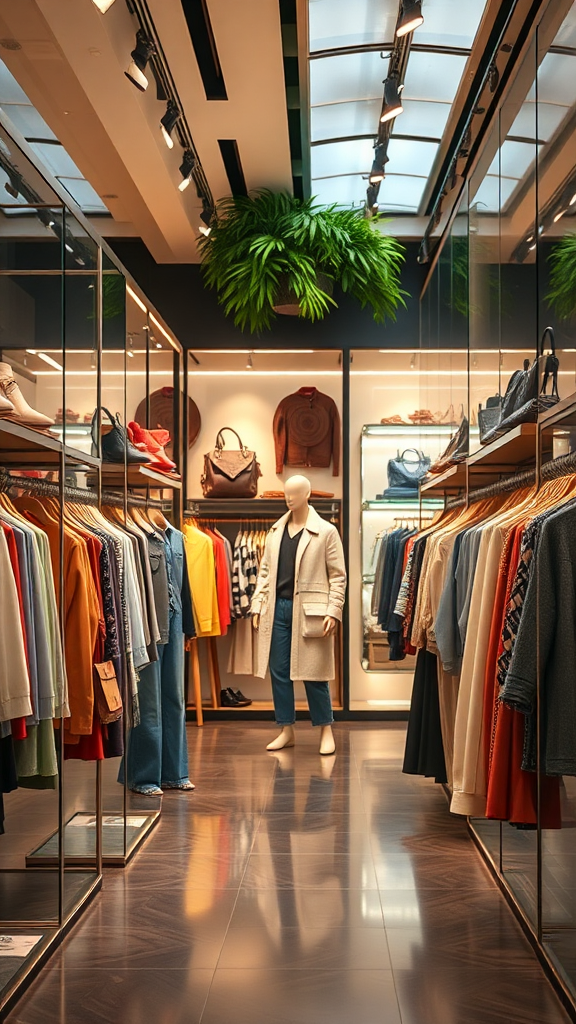
Moreover, fashion retailers are transforming the in-store environment to make it more enjoyable and engaging. This includes creating visually appealing store designs, implementing interactive displays, hosting fashion shows or events, and providing exceptional customer service. These unique experiences can’t be replicated online and are crucial in creating a memorable shopping experience that encourages customer loyalty.
Another essential aspect of the modern fashion retail experience is sustainability. The modern consumer is increasingly conscious of the environmental impact of their purchases. Many are willing to pay a premium for ethical, sustainable fashion. Retailers are responding to this demand by offering more eco-friendly options, sharing their supply chain practices, and instilling a culture of sustainability in their brand ethos.
In essence, the fashion retail experience is no longer solely about the product—it’s about the journey. Today’s fashion retailers must create a seamless, personalized shopping experience that transcends the boundaries of online and offline worlds.
By harnessing the power of technology, focusing on personalization, providing unique in-store experiences, and prioritizing sustainability, fashion retailers can stay ahead in this competitive landscape while meeting the evolving needs of their customers.
After all, a happy customer is a loyal customer, and loyalty is the key to long-term success in the fast-paced world of fashion retail.