Revolutionizing Fashion Retail: How Technology and Consumer Trends are Shaping the Shopping Experience
Transforming the Fashion Retail Experience: A Modern Perspective
Currently, the world of fashion retail is continually evolving, driven by technological advancements and changing consumer behaviors. From virtual fitting rooms to personalized shopping experiences, retailers are experimenting with various methods to revolutionize the way we shop for fashion.
In recent times, the advent of digital technology has significantly impacted the fashion retail industry.
Online shopping has become the norm, with e-commerce platforms offering a diverse range of apparel and accessories. Consequently, brick-and-mortar stores are under pressure to provide more than just products. These stores are now shifting their focus towards delivering unique, immersive experiences to customers, making shopping more engaging and memorable.
One approach has been the introduction of experiential retail, a strategy aimed at creating unique in-store experiences.
By building a connection beyond the transactional, retailers can influence consumers’ emotions and build stronger brand loyalty. These experiences can range from in-store styling sessions to hosting fashion workshops and events.
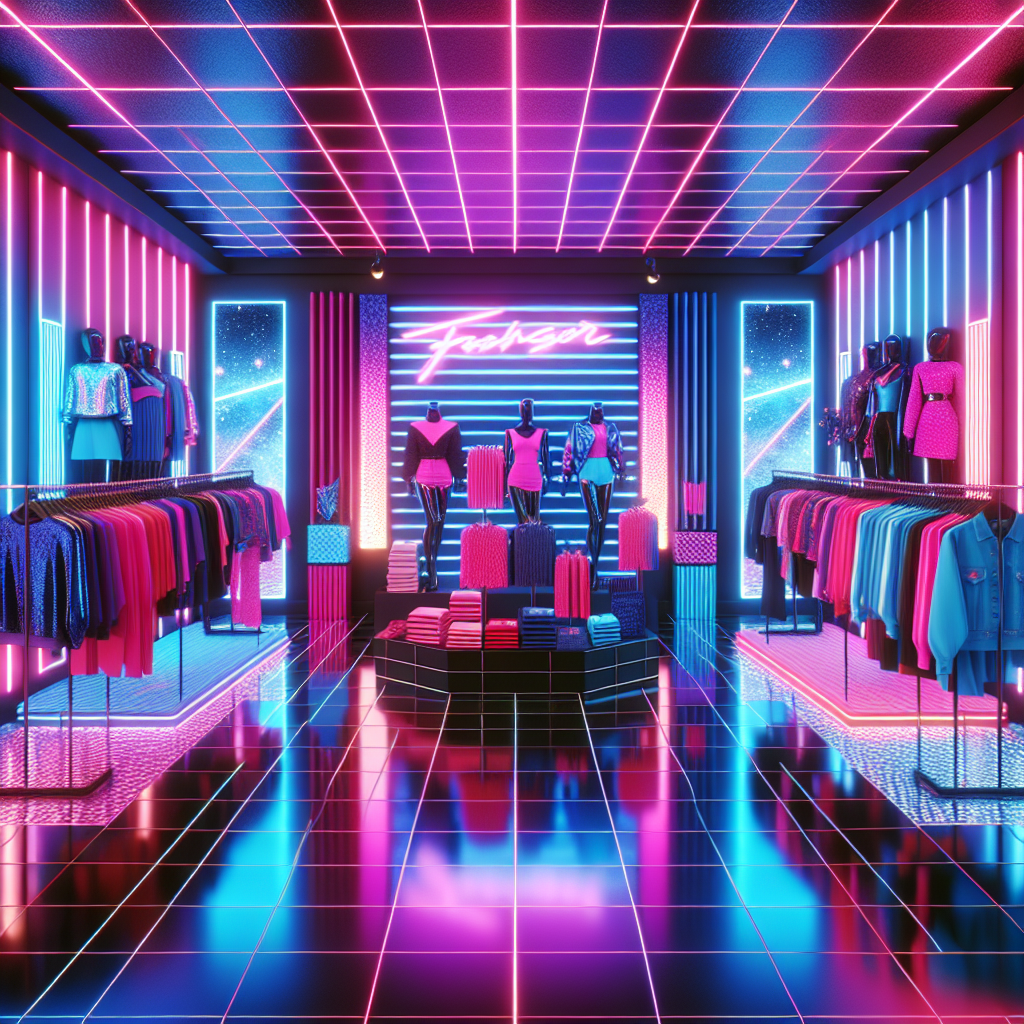
Another significant development has been the implementation of technology in stores. Today, retailers are integrating digital touchpoints such as interactive displays and virtual reality (VR) tools to enhance the in-store experience. For instance, virtual fitting rooms allow customers to try on clothes without the need to undress, reducing the time spent in changing rooms and improving the overall shopping experience.
Personalization is also becoming increasingly important in the fashion retail industry.
Retailers are leveraging data analytics to understand customer preferences and deliver personalized shopping experiences. This approach extends to personalized marketing, where retailers provide product recommendations based on an individual’s previous purchases and browsing history.
The integration of AI technology into retail experiences is another trend on the rise. Chatbots, for example, are used to interact with customers, answer their queries, and help them navigate the online store. AI-powered algorithms are also being used to predict fashion trends, helping retailers to better manage their inventory and stay ahead of the competition.
Sustainability is another key factor shaping the fashion retail industry.
Consumers are becoming more conscious about the environmental impact of their purchases, leading to a rise in demand for sustainable fashion.
Retailers are responding by offering eco-friendly products, using sustainable materials, and promoting recycling initiatives.
In addition to these trends, retailers are also focusing on improving their omnichannel approach.
This involves providing a seamless shopping experience across different platforms, from physical stores to online websites and mobile apps. By achieving consistency across these channels, retailers can cater to the varying shopping habits of their customers while ensuring a smooth transition between different touchpoints.
The evolution in the fashion retail industry highlights a shift from product-centric to customer-centric models. By focusing on enhancing the overall customer experience, retailers can differentiate themselves from their competitors, build stronger relationships with their customers, and ultimately, secure their place in an increasingly competitive market.
In essence, the modern fashion retail experience is about more than just selling clothes – it’s about creating an engaging, memorable experience that resonates with consumers and encourages them to come back. With new technologies and strategies constantly emerging, it’s an exciting time for both retailers and consumers in the world of fashion.