Revolutionizing Fashion Retail: The Seamless Fusion of the Digital and Physical Shopping Experience
As we navigate through our current technologically driven society, the fashion retail experience has evolved to create immersive experiences that seamlessly blend the physical and digital worlds.
This transition has altered the way consumers shop and interact with fashion brands, highlighting the importance of a personalized, engaging retail experience.
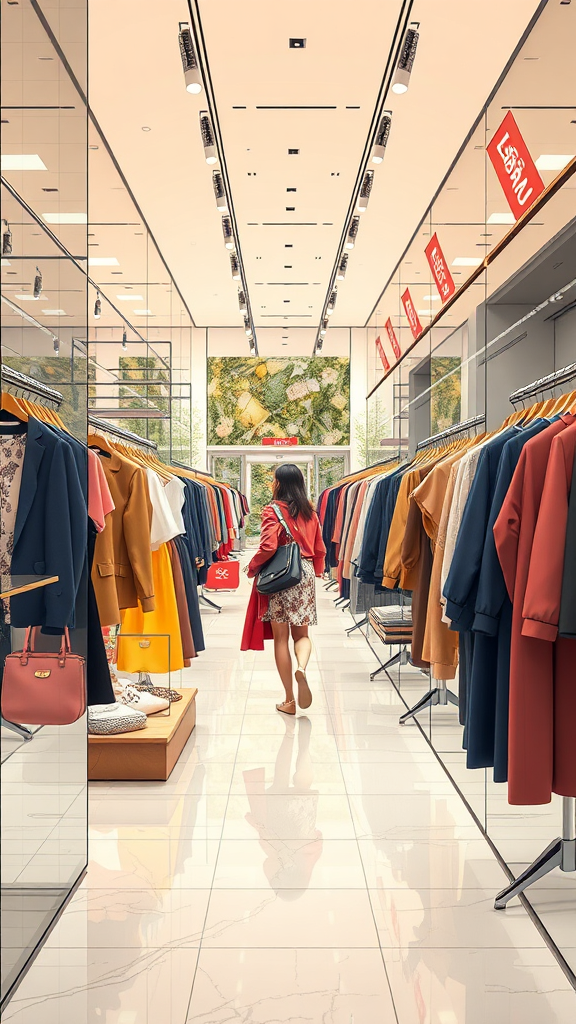
Walking into a retail store today isn’t just about purchasing a product; it’s about experiencing the brand’s world. Retailers are shifting away from a product-focused approach to an experience-focused approach, creating immersive in-store environments that tell a story. This can include anything from lavish fitting rooms with custom lighting options to interactive displays that provide product information.
One of the most prevalent trends in the fashion retail industry today is the incorporation of technology into the shopping experience. Brands are integrating Augmented Reality (AR) and Virtual Reality (VR) into their retail spaces, allowing customers to virtually try on clothes, accessories, or even experiment with different makeup looks. This approach not only enhances the customer experience but also promotes a touchless environment – a growing priority in today’s retail landscape.
Another noteworthy innovation in the fashion retail industry is the use of mobile apps. Customers can now scan QR codes in-store to get detailed product information, access exclusive deals, and even check out without having to wait in line.
This level of personalization and convenience is revolutionizing the traditional shopping model, making it more efficient and enjoyable for the consumer.
Furthermore, the rise of social media has had a significant impact on the fashion retail experience. Today, fashion brands are leveraging platforms like Instagram, Facebook, and Pinterest for more than just marketing. They’ve become virtual storefronts, enabling consumers to shop directly from their feeds, view product recommendations based on their likes and interests, and share their purchases with their followers. This social shopping experience not only drives sales but also fosters a sense of community among customers.
Sustainability is another key factor shaping the modern fashion retail landscape. Consumers are becoming increasingly aware of the environmental impact of their purchasing decisions, leading to a surge in demand for sustainable and ethically produced fashion. Retailers are responding by providing transparent information about their supply chains, introducing sustainable product lines, and implementing in-store recycling programs.
In essence, the retail experience is no longer just about transactions.
It’s about creating memorable experiences that resonate with consumers on a personal level. By blending the physical and digital worlds, fashion retailers can create immersive, personalized journeys that engage customers, build loyalty, and drive sales.
As we move forward, it’s clear that the fashion retail industry will continue to evolve and adapt to the shifting consumer landscape. From the implementation of cutting-edge technology to the push for sustainability, brands that prioritize customer experience and adapt to changing trends are poised for success in this new era of retail.