Revolutionizing the Fashion Industry: The Rise of Local Fashion Communities and Their Impact on Sustainability, Diversity, and Economy
Embracing Local Fashion Communities: A Flourishing Trend
Fashion is a powerful means of self-expression, serving as a silent yet eloquent communicator that conveys one’s identity, culture, values, and even philosophy. Traditionally dominated by global mega brands and high-end designers, the fashion industry has recently experienced an exciting shift. Local fashion communities are increasingly garnering attention, with consumers embracing and celebrating the distinctive styles, stories, and sustainability they bring to the table.
The Rise of Local Fashion Communities
Fashion, at its core, is a form of art. Just as every artist has a unique style, every region has its distinctive fashion sensibility.
This is where local fashion communities shine. They preserve and promote the region’s unique fashion sense, whether it’s the boho-chic vibe of California or the edgy, avant-garde aesthetic of Tokyo.
Local fashion communities are essentially a collective of designers, models, stylists, photographers, and fashion enthusiasts united by geography.
They work collaboratively to create, promote and celebrate their unique local fashion identity. These communities have the power to change the landscape of the fashion industry, making it more diverse, inclusive, and sustainable.
The Power of Storytelling in Local Fashion
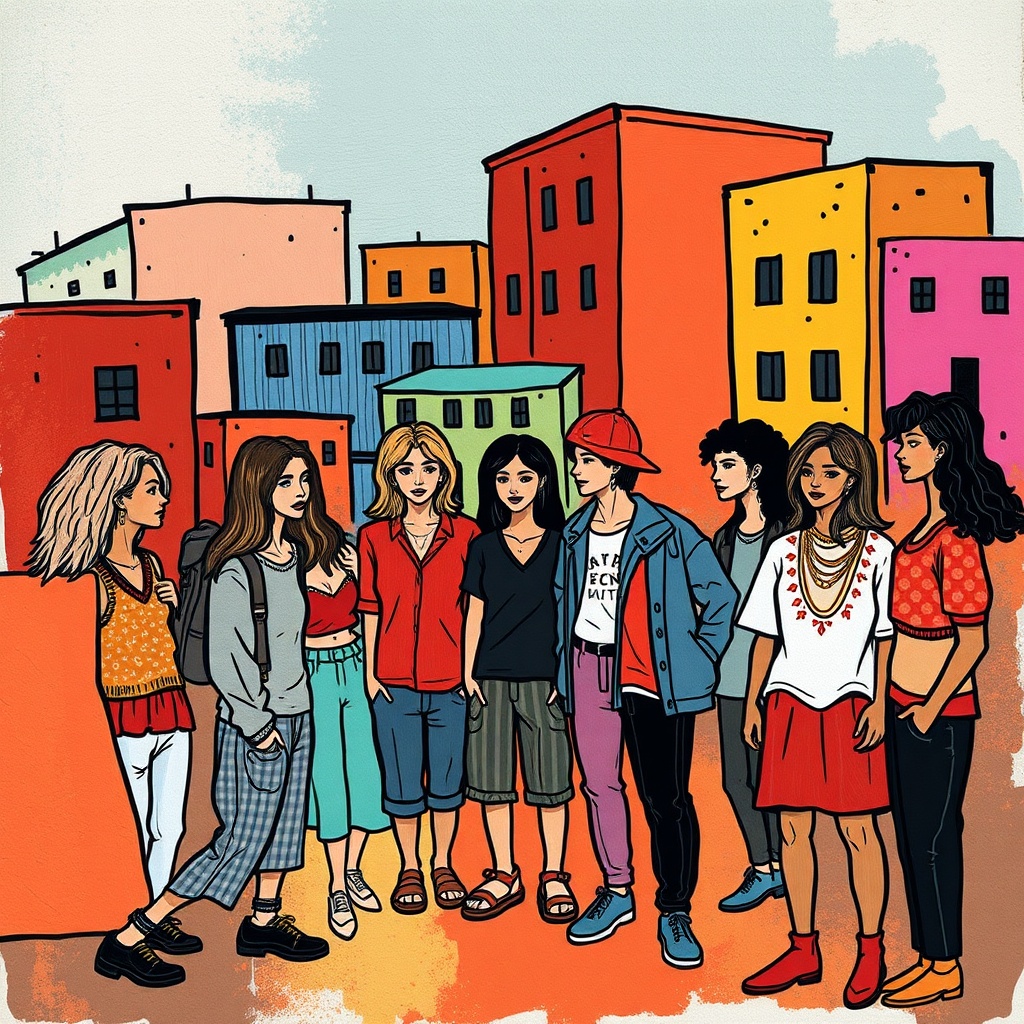
In a world where mass-produced fast fashion has become the norm, the storytelling element of local fashion communities offers a breath of fresh air. Each garment is not just a piece of clothing but a narrative of its place of origin, its people, and their traditions. This storytelling aspect brings depth, personality, and value to the clothing, making it more than just a fashion statement.
Sustainability and Ethical Production
While fast fashion often faces criticism for its environmental impact and unethical production practices, local fashion communities are known for their commitment to sustainability and ethical production. Local designers are more likely to use locally sourced materials and traditional manufacturing methods, reducing their carbon footprint. Ethical production is often at the heart of their approach, providing fair wages and working conditions for local artisans and workers.
Supporting local economies
By supporting local fashion communities, consumers indirectly contribute to local economies. They help create jobs and boost the local textile industry, fostering economic growth. Plus, when consumers purchase garments from local fashion communities, they’re supporting the dreams and aspirations of local designers, not just multinational corporations.
The Role of Social Media
Social media platforms have played a significant role in the rise of local fashion communities. Instagram, Facebook, and Pinterest have become platforms where these communities can showcase their designs, share their stories, and connect with a global audience.
Embracing the Local
Today, the fashion industry has evolved from being just about clothing to becoming an amalgamation of culture, art, and sustainability. Local fashion communities are at the forefront of this evolution. They are challenging the norms, reshaping the fashion landscape, and serving as an inspiration for both consumers and the wider fashion industry.
By embracing local fashion communities, we’re not just wearing a piece of clothing.
We’re wearing a piece of culture, a story, a commitment to sustainability, and a celebration of diversity and inclusivity. It’s time we acknowledge and appreciate the beauty, creativity, and impact of these local fashion communities. After all, fashion is not just about looking good, it’s about feeling good – about ourselves, our community, and our planet.