Revolutionizing the Fashion Retail Industry: A Deep Dive into Modern Strategies for Enhancing Customer Experience
As technology continues to evolve, today’s retail industry is shifting its focus from simply selling products to creating memorable shopping experiences.
This paradigm shift is especially prominent in the fast-paced world of fashion retail, where brands are currently striving to blend digital conveniences with traditional touchpoints to create a seamless and engaging customer journey.
In the realm of fashion retail, experiential concepts are the new norm. Companies are taking the customer experience to a whole new level by infusing shopping with elements of fun, personal connection, and unforgettable moments. Let’s delve into some of the core strategies that are revolutionizing the fashion retail industry.
1.
Personalization Through Big Data and Analytics
Personalization is a key differentiator in today’s competitive fashion retail landscape.
Brands are leveraging big data and analytics to gain insights into customer behaviors, preferences, and buying patterns. This data-driven approach allows retailers to curate personalized shopping experiences, recommend products tailored to consumers’ tastes, and communicate in a manner that resonates with their audience.
2. Augmented Reality (AR) and Virtual Reality (VR)
AR and VR technologies are steadily gaining traction in the fashion retail industry, allowing shoppers to virtually try on clothes, accessories, and makeup from the comfort of their homes. These immersive technologies reduce the barriers of online shopping, providing customers with an accurate visual preview of how products will look on them, resulting in increased satisfaction and lesser returns.
3. Omnichannel Retailing
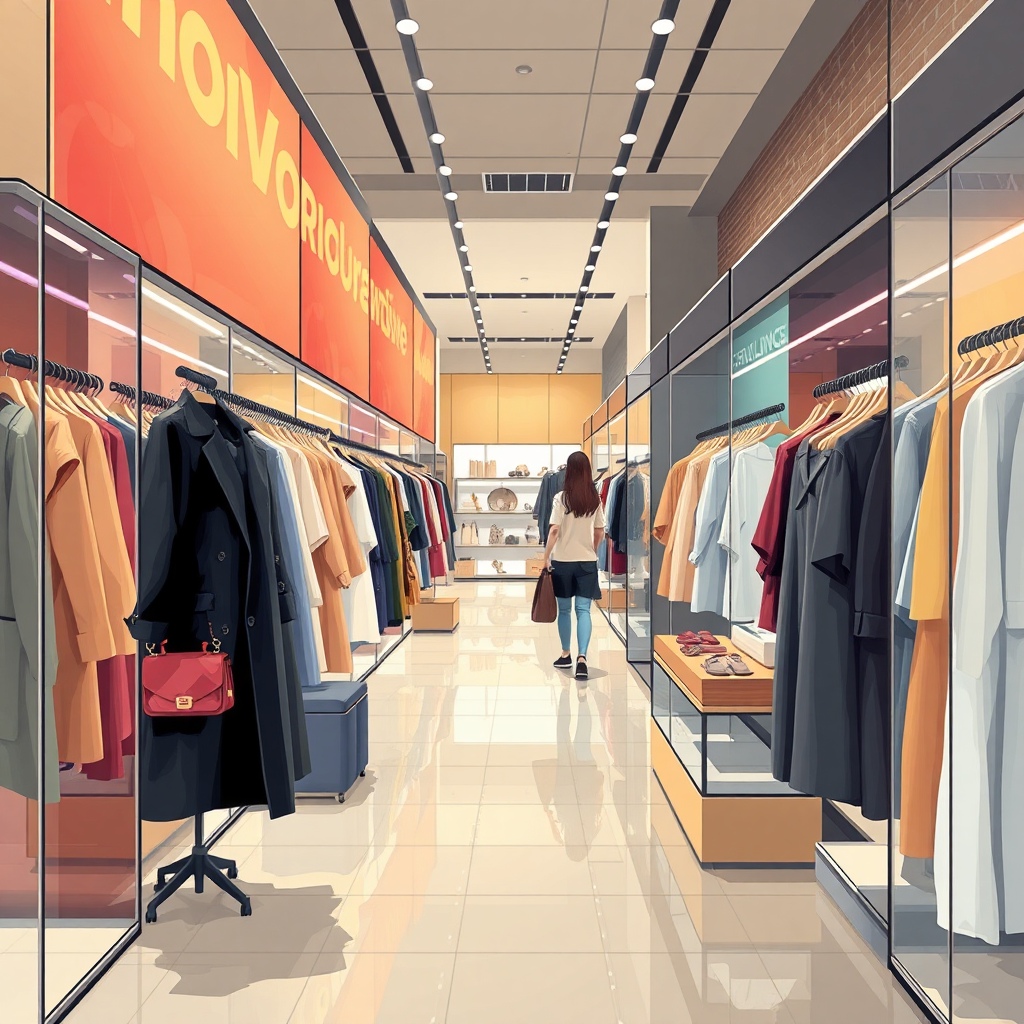
Omnichannel retailing is an integrated sales approach that provides the customer with a unified shopping experience across online and offline channels. For instance, customers can browse items online, try them in-store, place an order on a mobile app, and opt for home delivery or pick-up from a local store. This seamless shopping journey not only increases convenience but also strengthens the brand-customer relationship.
4.
Sustainability and Ethical Fashion
With increasing environmental consciousness, consumers are showing a strong preference for sustainable and ethically produced fashion.
Brands are responding by offering transparency in their supply chain, adopting sustainable manufacturing practices, and using eco-friendly materials. Highlighting a brand’s commitment to sustainability can significantly enhance its image and appeal to the socially aware customer.
5. Physical Stores as Experiential Hubs
Despite the rise of online shopping, physical stores are not becoming obsolete; instead, they are being reimagined as experiential hubs. Fashion retailers are redesigning their brick-and-mortar stores to offer unique in-store experiences such as personalized styling, fashion workshops, and exclusive events. These immersive experiences serve to deepen customer engagement and loyalty.
In essence, the future of fashion retail lies in providing an exceptional, personalized, and memorable experience that extends beyond the product. It’s about curating a journey that resonates with customers and engenders brand loyalty. By embracing technology, sustainability, and experiential concepts, fashion retailers can stay ahead of the curve, exceed customer expectations, and cement their position in the market.