Transform the Fashion Retail Experience with Omnichannel, Personalization & Sustainable Touchpoints
Transforming the Fashion Retail Experience: Omnichannel, Personalization, and Sustainable Touchpoints
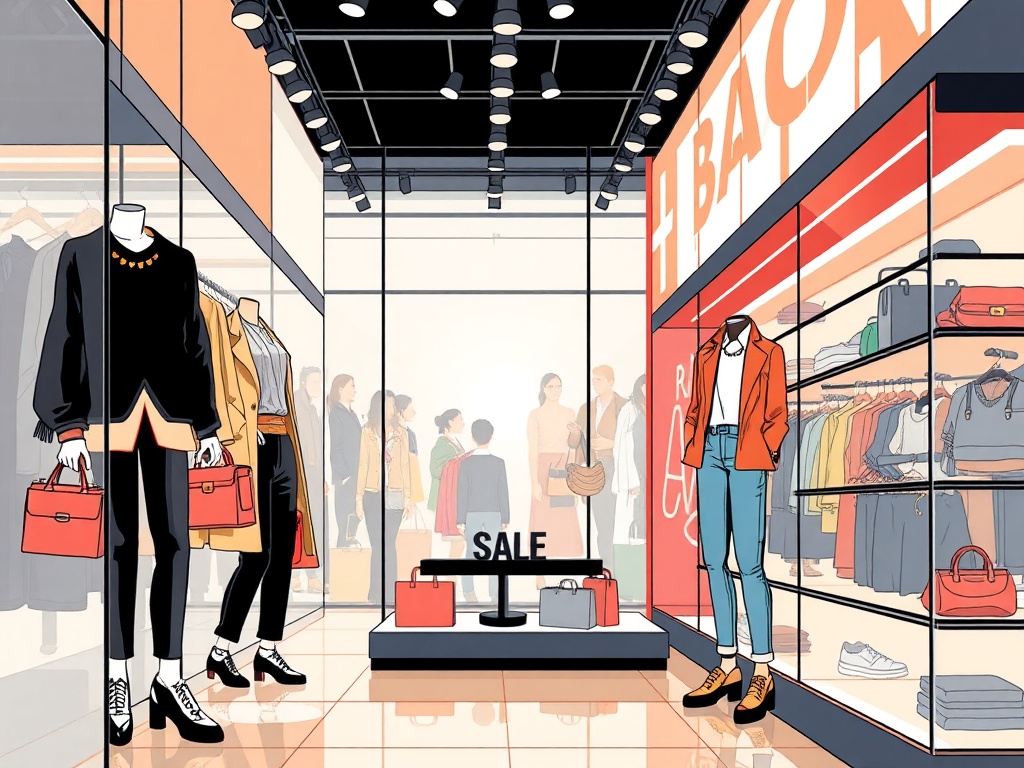
The fashion retail experience has shifted from transactional to experiential. Customers expect more than racks and checkouts — they want seamless journeys that blend online convenience with memorable in-store moments. Retailers that prioritize omnichannel cohesion, smart personalization, and sustainable practices create stronger loyalty and better conversion.
Omnichannel as the backbone
A true omnichannel strategy removes friction between channels. That means real-time inventory visibility across stores and e-commerce, buy-online-pickup-in-store (BOPIS) options, flexible delivery, and unified customer accounts with shared loyalty points.
Mobile apps should act as extensions of the physical store: appointment booking, in-app styling, mobile POS, and order tracking all reinforce a cohesive brand experience.
Personalization beyond a name
Personalization today is less about inserting a first name into emails and more about context-aware recommendations and tailored experiences.
Use purchase history, browsing behavior, and preference signals to curate homepage assortments, in-store touchscreens, and personalized push notifications. Staff equipped with a customer profile at the point of sale can suggest complementary items and relevant promotions, increasing average order value while maintaining a human touch.
In-store technology that adds value
Technology should enhance, not distract. Virtual try-on tools and AR mirrors reduce fitting-room friction and return rates by letting customers visualize fit and color. Smart mirrors that suggest styles or call for different sizes create a smoother shopping flow. Mobile POS systems empower associates to check out customers anywhere on the floor, reducing queues and improving conversion. Beacon-driven notifications and QR codes can provide product origin stories, material details, and styling tips without interrupting discovery.
Experience-led retail spaces
Physical stores are evolving into destination spaces where storytelling, community, and creativity meet commerce. Pop-up collaborations, in-store workshops, and limited-edition drops cultivate urgency and social sharing. Thoughtful visual merchandising, comfortable seating, and dedicated personalization stations (monogramming, tailoring) make visits more memorable. For luxury and premium brands, appointment-based services and private showrooms enhance exclusivity.
Sustainability and transparency
Sustainability is a core driver of purchase decisions.
Provide clear information about materials, manufacturing practices, and care instructions directly on product pages and in-store tags. Initiatives such as trade-in programs, in-store repairs, and resale partnerships extend product life and build trust.
Transparently communicating return policies and carbon impact of shipping choices also resonates with eco-conscious shoppers.
Optimize returns and post-purchase care
Returns are inevitable, but they don’t have to be costly. Simplify returns with labelless drop-offs, return kiosks, and clear timelines. Offer exchanges and store credit incentives to retain value. Post-purchase engagement — care reminders, styling ideas, and loyalty rewards — keeps customers connected and reduces churn.
Data ethics and privacy
Collecting data enables personalization, but privacy must be respected.
Adopt clear consent practices, minimize unnecessary data storage, and provide easy opt-outs.
Trust is a competitive advantage; brands that protect customer data while delivering relevant experiences will win long-term loyalty.
Key actions for retailers
– Build inventory visibility across channels and support flexible fulfillment.
– Invest in mobile POS and associate tools that surface customer insights.
– Implement AR/virtual try-on to lower return rates and boost confidence.
– Offer repair, resale, or trade-in programs to support circularity.
– Use data responsibly to personalize without being intrusive.
– Design stores as experience hubs with events and service stations.
Delivering a modern fashion retail experience means weaving technology, hospitality, and sustainability into a coherent narrative. Brands that balance efficiency with emotion — making shopping effortless, relevant, and meaningful — will thrive as customer expectations continue to evolve.