Transforming Fashion Retail: Omnichannel, Personalization & Human-Centered Experiences That Drive Loyalty
The fashion retail experience is shifting from transactional to transformational.
Today’s shoppers expect more than a good product; they want convenience, discovery, and values that align with their lifestyle.
Retailers that blend seamless technology, purposeful merchandising, and human connection create memorable experiences that drive loyalty and sales.
Omnichannel as baseline
Omnichannel is no longer optional—it’s baseline. Customers move between social feeds, websites, mobile apps, and physical stores in a single buying journey.
Successful retailers ensure consistent inventory visibility, unified pricing, and smooth transitions between channels. Services like buy-online-pickup-in-store (BOPIS), curbside pickup, and reserve-in-store reduce friction and keep shoppers engaged with the brand across touchpoints.
Personalization without friction
Data-driven personalization helps shoppers find relevant products faster. Tailored recommendations, personalized emails, and smart in-app merchandising increase conversion when they feel helpful rather than intrusive. Use customer data responsibly: offer clear opt-in choices, explain how data improves experience, and make privacy controls easy to find. Personalization that respects shopper preferences builds trust and repeat visits.
In-store technology that enhances—not replaces—human interaction
Technology should elevate the in-store visit.
Mobile point-of-sale systems speed checkout; RFID improves inventory accuracy; augmented reality try-on tools let customers visualize fits without extra dressing-room time. Virtual fitting rooms and body-measurement kiosks reduce uncertainty around sizing and returns. Crucially, technology should augment staff capabilities rather than replace them. Well-trained associates who can interpret digital insights and provide styling advice create a compelling hybrid experience.
Experience-led merchandising
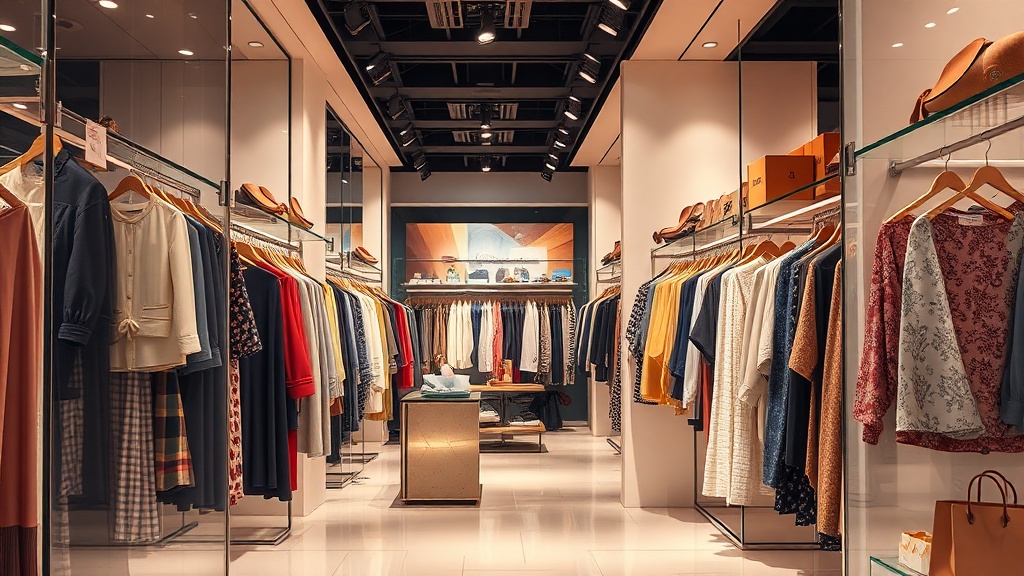
Stores are evolving into stages for storytelling.
Curated product assortments, rotating installations, and interactive displays invite shoppers to explore rather than simply purchase. Pop-up activations, workshops, and limited-edition collaborations generate buzz and provide reasons to visit. Visual merchandising that highlights outfit ideas and complete looks increases average order value, especially when paired with easy checkout options.
Circular retail and sustainable practices
Sustainability shapes purchase decisions.
Offering resale, repair, and rental options extends product lifecycles and attracts conscious consumers.
Transparent supply-chain messaging—materials, sourcing, and lifecycle impact—helps shoppers make informed choices. Practical sustainability initiatives, like take-back programs and repair services, turn loyal customers into brand advocates while reducing waste.
Frictionless returns and flexible fulfillment
Returns remain a pain point in fashion retail.
Simplifying returns with prepaid labels, multiple drop-off options, and instant refunds helps preserve customer goodwill. Flexible fulfillment—same-day delivery in local areas or scheduled deliveries—meets modern expectations and can be a competitive differentiator.
Human-centered service and training
Product expertise and styling advice are powerful differentiators.
Invest in ongoing associate training focused on product knowledge, customer empathy, and digital tools.
Empower staff with mobile access to inventory and customer preferences so they can offer personalized shopping experiences in real time.
Metrics that matter
Beyond sales per square foot, measure experience with metrics like repeat purchase rate, Net Promoter Score, average order value, and conversion across channels. Use qualitative feedback—post-visit surveys and social listening—to understand emotional drivers and pain points.
The takeaway
A compelling fashion retail experience blends seamless omnichannel operations, helpful personalization, purposeful sustainability, and elevated human service. When technology is used to reduce friction and enhance discovery, and when stores become places of inspiration rather than just transactions, brands cultivate customers who keep coming back and recommend the experience to others. Prioritizing these elements positions retailers to meet modern shopper expectations and thrive amid evolving tastes.