Transforming Fashion Retail: Omnichannel, Phygital & Sustainable Strategies to Boost Loyalty
Fashion retail experience is evolving from transaction-focused to relationship-driven, blending physical and digital touchpoints to keep shoppers engaged, loyal, and willing to spend. Success now hinges on three pillars: seamless omnichannel access, memorable in-store moments, and ethical transparency. Here’s how leading retailers are raising the bar and what brands can do to compete.
Personalization that feels human
Customers expect offers and product recommendations that reflect their tastes, past behavior, and context. Data-driven personalization—delivered via loyalty programs, personalized emails, and curated in-store displays—builds relevance without feeling intrusive.
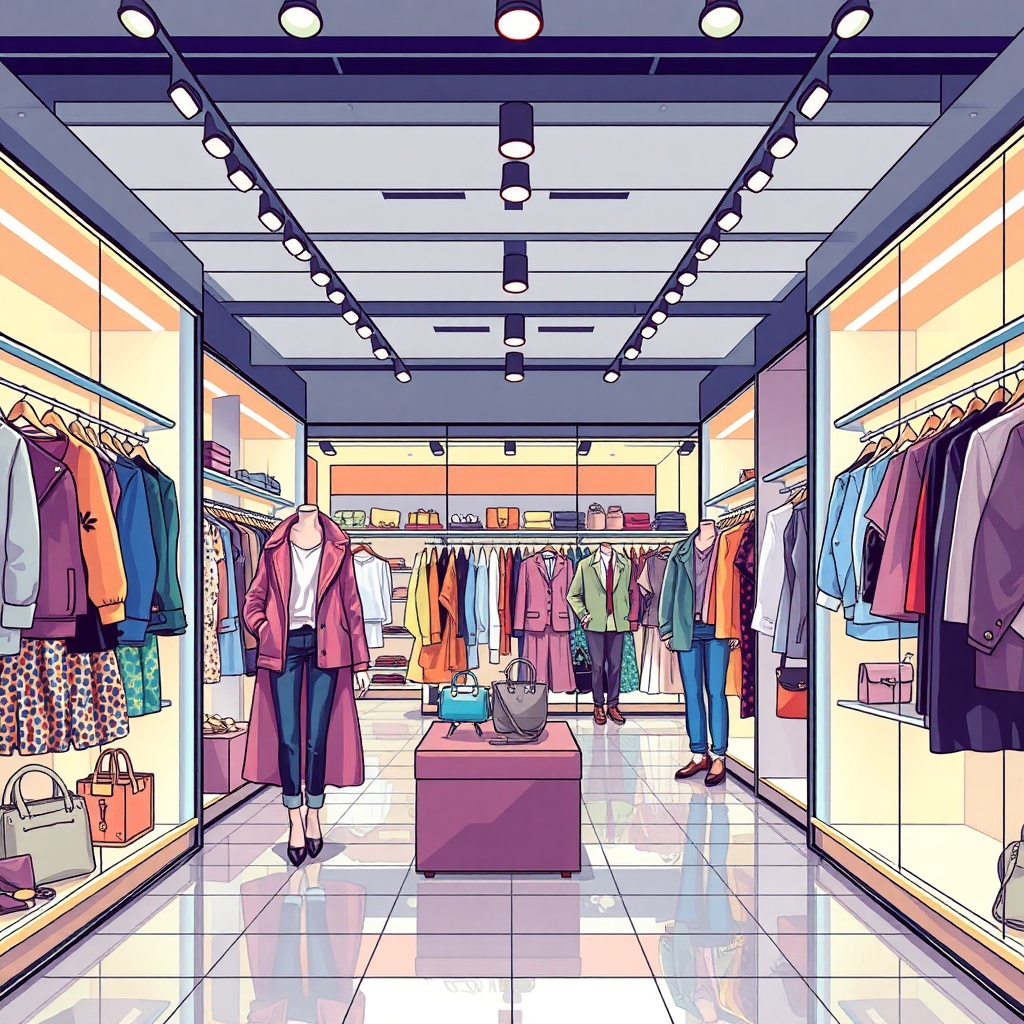
Use customer profiles to show available sizes, local stock, and complementary items. Personal shopping services and stylist appointments for high-value customers can convert interest into purchases and deepen brand affinity.
Phygital experiences and immersive tech
Bridging online and offline creates “phygital” retail where AR-powered virtual try-ons, in-store tablets, and digital mirrors reduce friction and returns. Virtual try-on tools let shoppers visualize fit and color, while in-store tech speeds checkout and provides contextual product information. Pop-up activations and limited-time immersive displays turn browsing into social moments that shoppers share online, extending reach beyond the store footprint.
Sustainability and circular offers
Sustainable practices are no longer optional. Shoppers look for transparent sourcing, recyclable packaging, and carbon-conscious shipping. Brands that offer resale, rental, take-back, or repair services extend product life and appeal to conscientious consumers. Clear labeling about materials and care, plus storytelling that highlights craftsmanship and lifecycle, helps justify price points and converts curious browsers into loyal customers.
Seamless fulfillment and payment flexibility
Convenience is a competitive advantage. Options like buy online, pick up in store (BOPIS), curbside pickup, and same-day delivery reduce purchase friction. Flexible payments such as split-pay or installment options increase average order value and accessibility. Streamlined returns and exchanges—handled either in store or via prepaid labels—preserve customer trust and encourage repeat shopping.
Store design and community building
Physical spaces should be destinations, not just inventory warehouses. Curated layouts, comfortable seating, experiential zones (coffee bars, alteration stations, workshop spaces), and rotating local collaborations create reasons to visit. Programming such as styling workshops, influencer meet-and-greets, and sustainability clinics builds a sense of community and humanizes the brand.
Service and staff empowerment
Knowledgeable, empowered staff are differentiators. Equip teams with mobile inventory access, clienteling tools, and training in sizing, styling, and sustainability claims. Sales associates who can reserve items, book follow-up appointments, and process returns quickly transform service into a revenue engine.
Actionable steps for retailers
– Map the customer journey and eliminate friction points between channels.
– Invest in tech that enhances decision-making—virtual try-ons, mobile POS, and inventory visibility tools.
– Launch one circular program (resale, rental, or repairs) and promote it prominently.
– Create monthly in-store programming to drive foot traffic and social content.
– Train staff in both product expertise and soft skills like empathy and upselling.
Brands that combine humanity, convenience, and purpose win loyal customers and stronger lifetime value.
Focus on making every touchpoint useful, surprising, and easy to share—those are the experiences shoppers remember and return for.