Transforming Fashion Retail: Personalized Omnichannel Journeys, Immersive In-Store Experiences, and Sustainable Commerce
The fashion retail experience is evolving beyond transactions into curated journeys that blend digital convenience, sensory in-store encounters, and meaningful brand values. Retailers that succeed are those that treat shopping as an experience — one that is personalized, sustainable, and seamlessly connected across channels.
Personalization that feels personal
Customers expect tailored recommendations that reflect their style, fit, and past interactions. Data-driven personalization goes beyond product suggestions: it surfaces the right size availability, highlights complementary items for an outfit, and delivers timely promotions through preferred channels. To avoid feeling intrusive, prioritize transparency about what data is used and offer clear controls for customers to manage preferences.
Staff-empowered personalization — where associates access non-sensitive customer profiles to provide informed styling advice — creates a human touch that algorithms alone can’t replicate.
Seamless omnichannel journeys
Today’s shoppers move fluidly between apps, web, and physical stores. Successful brands remove friction at every step: frictionless checkout, accurate real-time inventory for click-and-collect, and easy returns both online and in-store. Micro-fulfillment and smart backrooms let stores act as local hubs for fast fulfillment, while QR-enabled tags and mobile apps bridge the gap between physical products and digital content like styling videos or user reviews.
Immersive in-store experiences
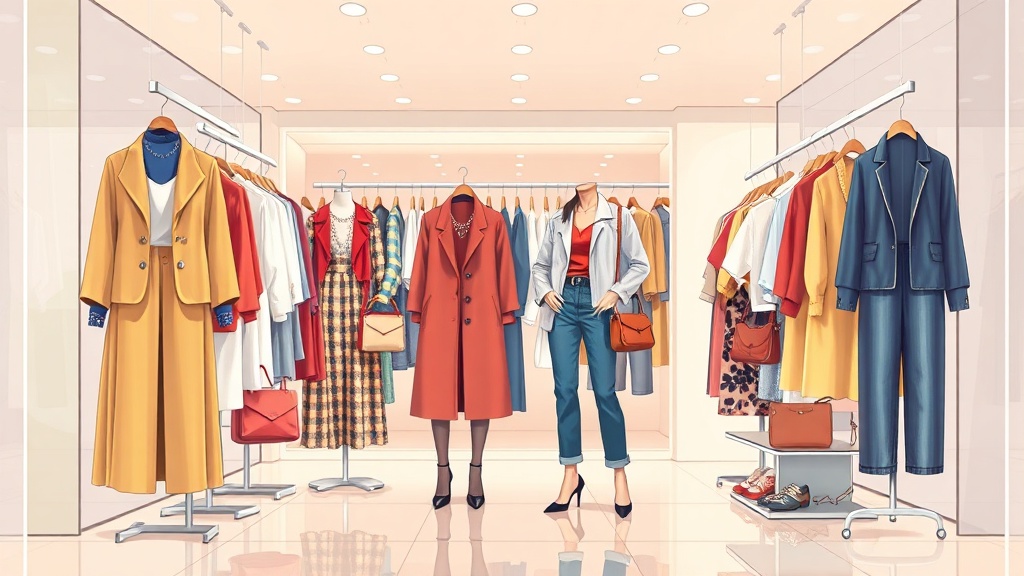
Stores are transforming into places for discovery and community — not just a point of sale.
Interactive fitting rooms with smart mirrors, AR try-on experiences, and curated pop-ups create memorable moments that encourage dwell time and social sharing. Store design matters: flexible layouts that support events, workshops, and limited-edition drops keep the destination fresh. Staff trained as brand storytellers and stylists can guide visitors through these experiences, turning browsers into loyal customers.
Sustainability as experience
Sustainability is a competitive differentiator when it’s integrated into the shopping journey.
Visible initiatives such as repair stations, clothing rental programs, and in-store resale corners invite customers to engage with circular commerce. Transparency on sourcing and lifecycle impacts — presented clearly at product touchpoints — builds trust and helps shoppers make informed choices. Offering trade-in credits or repair services not only reduces waste but also drives repeat store visits.
Technology that enhances, not replaces, the human element
Emerging tech should amplify human connection rather than replace it. RFID inventory systems and mobile POS free staff from backroom tasks, letting them focus on customer engagement.
Virtual try-on and body scanning can help with fit accuracy, reducing returns and improving satisfaction, but should be paired with empathetic customer service for a complete experience.
Practical steps retailers can implement now
– Map the customer journey and remove obvious friction points (checkout, returns, inventory visibility).
– Pilot AR try-on or smart mirrors in a few stores to measure lift in engagement and conversion.
– Train store teams in styling and storytelling; prioritize customer coaching over hard selling.
– Launch or expand circular initiatives: resale, rental, repair, and trade-ins.
– Use inventory tech to turn stores into fulfillment hubs for faster delivery.
Retail that focuses on context — understanding where customers are, what they value, and how they prefer to shop — will create lasting loyalty. The most resilient brands are those that stitch together thoughtful digital tools, memorable physical interactions, and authentic sustainability commitments to deliver a fashion retail experience that customers want to return to.