Unveiling the Boutique Fashion Retail Revolution: A Unique Approach to Style and Sustainability
The boutique fashion retail scene is a vibrant and rapidly evolving sector of the fashion industry.
This sector represents a fresh, unique approach to fashion, a stark departure from the mass-produced offerings of major labels.
With a strong focus on individual style, quality, and exclusivity, boutique fashion retail has carved a significant niche, attracting a large and loyal customer base.
What sets boutique fashion retail apart from large-scale retail operations is the commitment to offering a unique, carefully curated selection of clothing and accessories. Whether it’s hand-sewn garments from local designers or exclusive pieces from international labels, customers are assured of finding something truly one-of-a-kind. The inventory is constantly updated to stay aligned with the current fashion trends, ensuring that the offerings are always fresh and relevant.
However, boutique fashion retail isn’t just about the products; it’s also about the shopping experience.
Boutique shops usually have a warm, intimate atmosphere that’s a world apart from overcrowded department stores. This cozy ambiance is often coupled with personalized service, with knowledgeable staff members eager to provide style advice and help customers put together the perfect outfit.
Boutique fashion is also linked to the concept of slow fashion, which promotes conscious consumption over the wasteful cycle of fast fashion. Many boutique retailers focus on sustainability, stocking brands that use eco-friendly manufacturing processes and materials.
The rise of e-commerce has also greatly benefited boutique fashion retailers.
Today, anyone can browse and purchase from boutiques located anywhere in the world. This has allowed these small-scale retailers to reach a much larger audience than would be possible with a brick-and-mortar store alone.
Social media platforms like Instagram, with their focus on visual content, have proven particularly beneficial for boutique fashion retailers. These platforms allow them to showcase their products in a visually appealing manner, reaching potential customers who may not have otherwise discovered them.
However, despite these advantages, boutique fashion retail also has its challenges. These retailers must constantly find ways to differentiate themselves in a saturated market. This requires a firm grasp of their target customers’ preferences, as well as a keen eye for emerging fashion trends.
Additionally, while the exclusivity of boutique fashion can be a draw, it can also limit the number of potential customers, as the prices can be higher than those of mass-produced items. Boutique retailers must therefore strike a balance between exclusivity and accessibility.
In the ever-changing world of fashion, boutique retailers offer an antidote to the impersonal, mass-produced offerings of larger labels.
By combining unique products, personalized service, and a commitment to quality, they provide a refreshing alternative for fashion-conscious consumers. As long as there are people seeking out uniquely stylish, high-quality fashion, the boutique retail sector is sure to continue its upward trajectory.
Presently, the boutique fashion retail sector represents a bright spot in the fashion industry. In a world increasingly dominated by e-commerce giants and fast fashion, these small-scale retailers provide a much-needed alternative. By consistently delivering unique, high-quality products and a personalized shopping experience, boutique fashion retailers have secured their place in the fashion landscape.
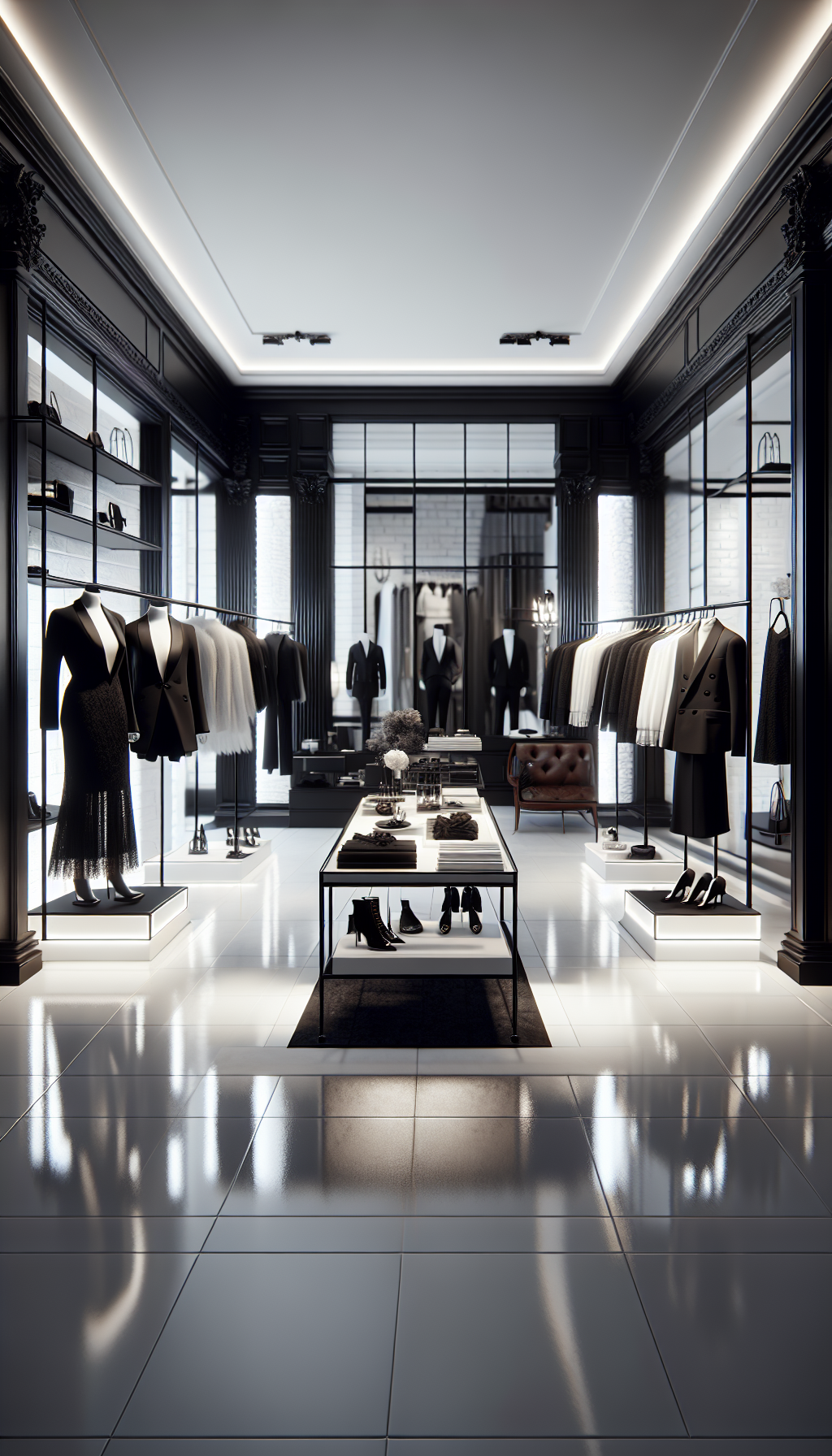
They are a testament to the enduring appeal of individual style, quality, and exclusivity in the realm of fashion.