Unveiling the Power of Local Fashion Communities: The Unsung Heroes of Global Style Trends
In the glamorous world of fashion, it’s easy to focus on the internationally known designers and brands that dominate runways and glossy magazine pages.
Yet, to truly understand the heartbeat of fashion, one must delve deeper, into the vibrant local fashion communities that are currently redefining the industry.
Local fashion communities are increasingly becoming powerhouses of creativity, providing fresh and diverse perspectives that challenge the status quo.
From New York’s creative neighborhoods to London’s edgy districts, and from Parisian couture ateliers to the vibrant streets of Tokyo, local fashion communities are thriving hotspots of innovative design and style.
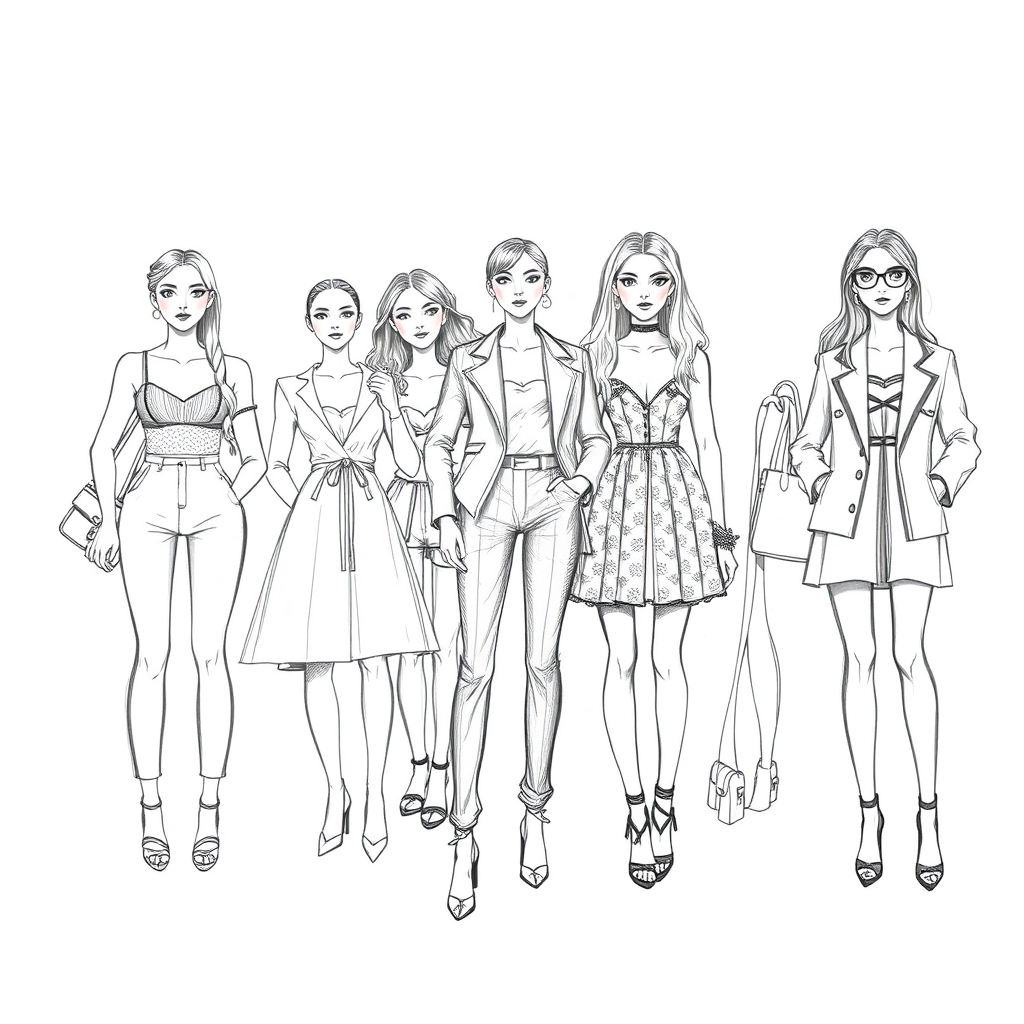
The beauty of local fashion communities lies in their authenticity. They’re typically characterized by a deep connection to their cultural roots, creating styles that reflect the history, traditions, and values of their locales. This results in distinctive, unique fashion trends that embody the spirit and identity of their communities.
Moreover, local fashion communities act as incubators for emerging designers. They provide a supportive environment where new talents can hone their skills, experiment with design, and showcase their work.
This nurturing ecosystem not only fuels the growth of these budding designers but also injects a wealth of creativity and diversity into the fashion landscape.
In places like Brooklyn, Shoreditch, or Le Marais, local fashion communities have become synonymous with avant-garde design, blending traditional craftsmanship with contemporary aesthetics. These neighborhoods have transformed into fashion hubs, attracting style-conscious individuals and industry insiders alike.
Equally important is the role these communities play in promoting sustainability. Given their close ties to their local ecosystem, they often advocate for ethically sourced materials, artisanal craftsmanship, and fair trade practices.
Furthermore, they champion the concept of slow fashion, challenging the environmentally damaging fast fashion model.
Local fashion communities also serve as platforms for social change.
They use fashion as a tool to address societal issues, from promoting body positivity to pushing for diversity and inclusivity in the industry. Through their work, they empower individuals to express their identity and tell their stories, fostering a more inclusive fashion narrative.
Nowadays, the impact of these communities extends far beyond their geographical boundaries, thanks to the power of digital platforms. Social media and e-commerce sites have made it possible for local designers to reach a global audience, further amplifying their influence.
However, despite their growing recognition, local fashion communities still face significant challenges. Lack of funding, limited access to resources, and competition from global brands are just a few of the hurdles these communities need to overcome.
For those interested in supporting these communities, several actions can be taken. Shopping from local designers, attending local fashion events, and sharing their work on social media are some of the ways to encourage their growth.
Today, local fashion communities are essential contributors to the dynamic tapestry of global fashion. They offer a kaleidoscope of styles that reflect the rich diversity of our world, driving the industry forward with their creativity, authenticity, and social conscience.
As we continue to redefine and reshape the world of fashion, the importance and influence of these vibrant communities will undoubtedly continue to grow.