Why Independent Fashion Brands Are Capturing Consumer Attention and How to Scale Sustainably
Why Independent Fashion Brands Are Claiming Consumer Attention
Independent fashion brands are reshaping how people discover, buy, and value clothing. Freed from the constraints of mass production and corporate bureaucracy, these labels focus on personality, ethical sourcing, and direct relationships with customers — traits that resonate strongly with shoppers seeking meaning and quality over constant turnover.
What sets independent brands apart
– Authentic storytelling: Indie brands often build narratives around craft, heritage, or social missions.
That story becomes a major selling point, turning customers into loyal advocates.
– Small-batch and thoughtful production: Limited runs reduce waste, enable unique designs, and create scarcity that drives demand without overstock.
– Direct-to-consumer agility: Handling sales through online stores and pop-ups lets brands control margins, collect data, and respond quickly to feedback.
Practical growth strategies
– Narrow your niche: Target a clear audience segment — whether it’s size-inclusive workwear, technical outerwear, or artisanal knitwear — and tailor messaging across product pages and ads.
– Invest in product photography and descriptions: High-quality visuals and SEO-optimized copy (targeting keywords like “sustainable knitwear,” “ethical denim,” or “small-batch outerwear”) increase search visibility and conversion.
– Use omnichannel retail thoughtfully: Combine an efficient e-commerce platform with occasional pop-ups, sample sales, or shop-in-shops to create physical touchpoints that build trust.
– Data-driven email marketing: Segment customers by behavior (repeat buyers, cart abandoners, high-value purchasers) and create lifecycle campaigns that increase lifetime value.
Sustainability and transparency as competitive edges
Independent brands that prioritize sustainable materials, circular design, and transparent supply chains gain credibility. Clear product labels describing fiber content, origin, and care instructions reduce purchase anxiety. Offering repair services, take-back programs, or modular design options extends garment life and strengthens brand ethos.
Community and collaboration
Community-building is central. Hosting workshops, partnering with local artisans, or collaborating with complementary indie brands amplifies reach. Social platforms remain vital, but the emphasis should be on real engagement — behind-the-scenes content, customer stories, and user-generated visuals that highlight how pieces live in everyday life.
Managing challenges
Scale without compromising values by:
– Choosing flexible manufacturing partners that can handle both small runs and scaling orders.
– Building a reserve fund or seeking mission-aligned investors to cushion growth phases without sacrificing creative control.
– Pricing for sustainability: Transparent communication about why pieces cost more (materials, living wages, lower volumes) turns price into a value proposition rather than a barrier.
Marketing that works
– Micro-influencers and brand ambassadors can offer authentic endorsements at a lower cost than celebrity partnerships.
– Editorial collaborations with niche publications and podcast sponsorships target highly engaged audiences.
– SEO fundamentals: fast site speed, mobile-first product pages, clear category architecture, and schema markup for product details boost organic discovery.
Measuring success
Beyond revenue, track customer retention, average order value, and return rates to evaluate product-market fit. Social sentiment and press pickups indicate brand health and can guide creative decisions.
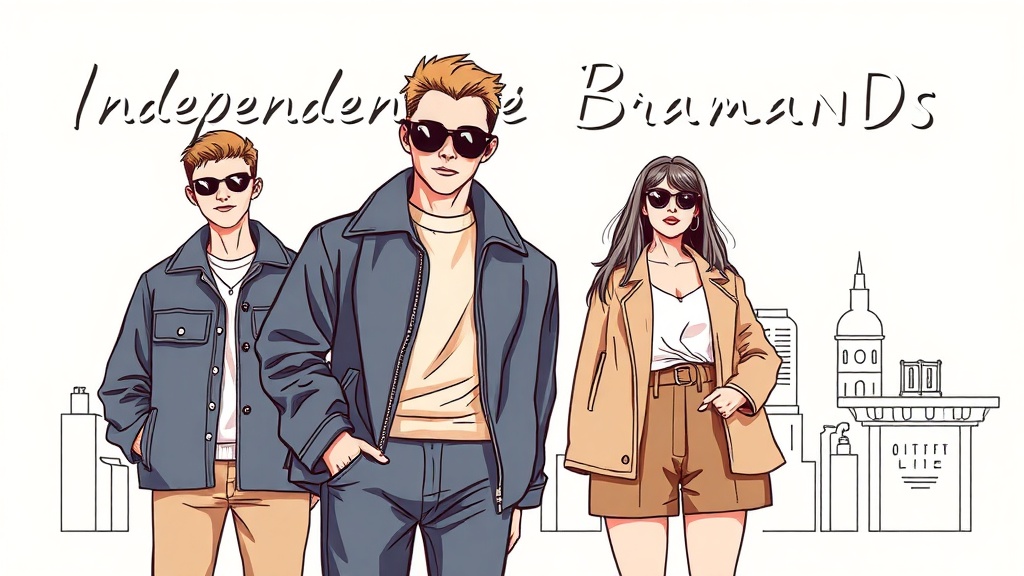
Independent fashion brands that combine craftsmanship, transparency, and smart digital strategies can thrive in a crowded market. By focusing on meaningful differentiation, community-first marketing, and sustainable operations, small labels can build lasting brands that customers not only buy from once but return to and recommend.