Why Independent Fashion Brands Are Shaping the Wardrobes of Conscious Consumers
Why independent fashion brands are shaping the wardrobe of people who care
Independent fashion brands are gaining attention for more than just fresh design. These small labels bring originality, ethical production, and direct relationships with customers—qualities that appeal to shoppers looking for meaning behind what they wear. For anyone curious about fashion that feels personal and responsible, independent brands offer a compelling alternative to mass-market offerings.
Why independent brands matter
Indie designers often prioritize craftsmanship, limited runs, and materials chosen for quality rather than price.
That results in pieces that stand out and last longer. Many independents embrace slow-fashion principles: made-to-order processes, careful supply-chain choices, and transparency about sourcing.
This approach supports circularity and reduces overproduction, which resonates with buyers who want their purchases to align with their values.
How indie brands reach customers
Direct-to-consumer channels are central to how independent labels operate.
E-commerce platforms, social media, and curated marketplaces allow designers to sell globally without heavy retail overhead. Pop-up shops, local markets, and collaborations with boutiques deepen community ties and offer tactile experiences—important for building trust when customers can’t try garments on online. Storytelling is also a key marketing tool: behind-the-scenes posts, artisan profiles, and process videos help customers connect emotionally with a product.
Design, differentiation, and collaborations
Independents excel at niche positioning.
Some focus on gender-neutral silhouettes, others on artisanal details or upcycled materials. Limited-edition drops and capsule collections create urgency and emphasize exclusivity without encouraging waste. Collaborations—between designers, textile studios, or makers in different regions—bring new techniques and cultural influences into mainstream view while supporting smaller creative economies.
Evaluating sustainability claims
As sustainability becomes an expected part of brand identity, it’s important to read beyond buzzwords. Look for specifics: which materials are used, where garments are made, what certifications or third-party audits are referenced, and how excess inventory is handled.
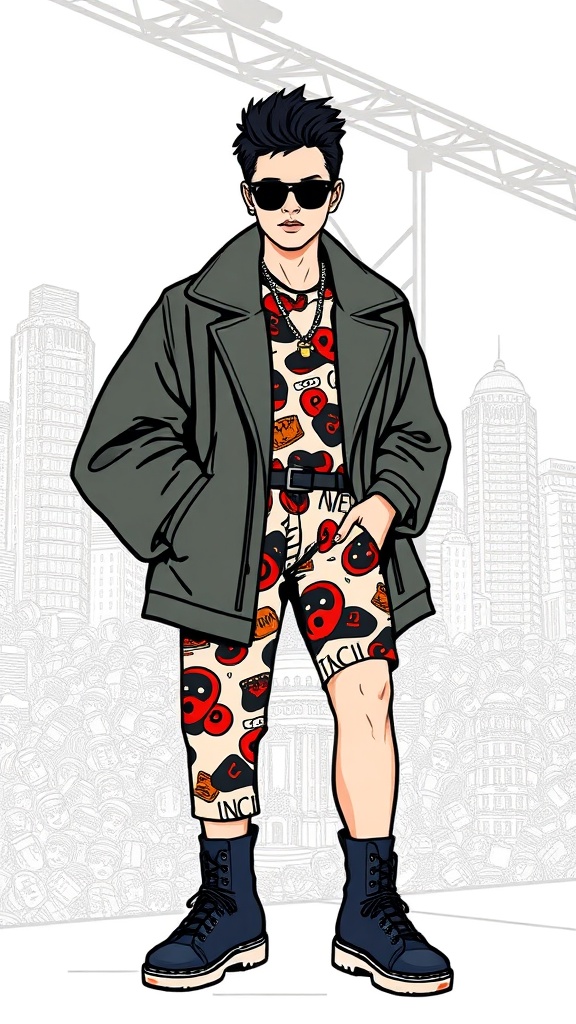
Brands that offer repair services, transparent pricing breakdowns, or take-back programs often demonstrate a stronger commitment to longevity and responsible practices.
Risks and how to mitigate them
Buying from indie brands can involve trade-offs: smaller size runs, limited stock, and less standardized sizing. To manage risk, check return policies, ask about fit and fabric weight, and read customer reviews. Consider pre-order and made-to-order models as a way to support artisans while reducing returns. If cost is a concern, prioritize investment pieces that will be worn often rather than trend-driven items with limited lifespan.
How to discover and support indie labels
– Follow curated marketplaces and independent boutiques that vet designers.
– Use social platforms to discover designers through hashtags, micro-influencers, and community recommendations.
– Attend local markets and pop-ups to try items in person and meet makers.
– Subscribe to newsletters from favorite brands to get early access to limited drops and repair tips.
– Support longevity: repair garments, resell thoughtfully, and pass pieces along.
Independent fashion brands blend creativity, ethics, and entrepreneurship in ways that can refresh a wardrobe and support more humane production systems. Whether you’re shopping for a signature piece or exploring more responsible buying habits, indie labels offer options that reward curiosity and conscious choices.