Why Local Fashion Communities Matter: A Practical Guide to Sustainable, Creative Style
Local fashion communities are where creativity, culture, and commerce intersect.
They turn sidewalks into runways, empty storefronts into pop-up ateliers, and strangers into collaborators. For designers, makers, stylists, and shoppers who value authenticity over mass-market sameness, these communities are becoming essential hubs for discovery and sustainable practice.
Why local fashion communities matter
Local fashion scenes nurture talent that might otherwise be overlooked. They provide low-barrier platforms for emerging designers to test products, learn about manufacturing and merchandising, and receive direct customer feedback.
For consumers, locally rooted fashion offers distinctive pieces, better quality, and the chance to support regional economies.
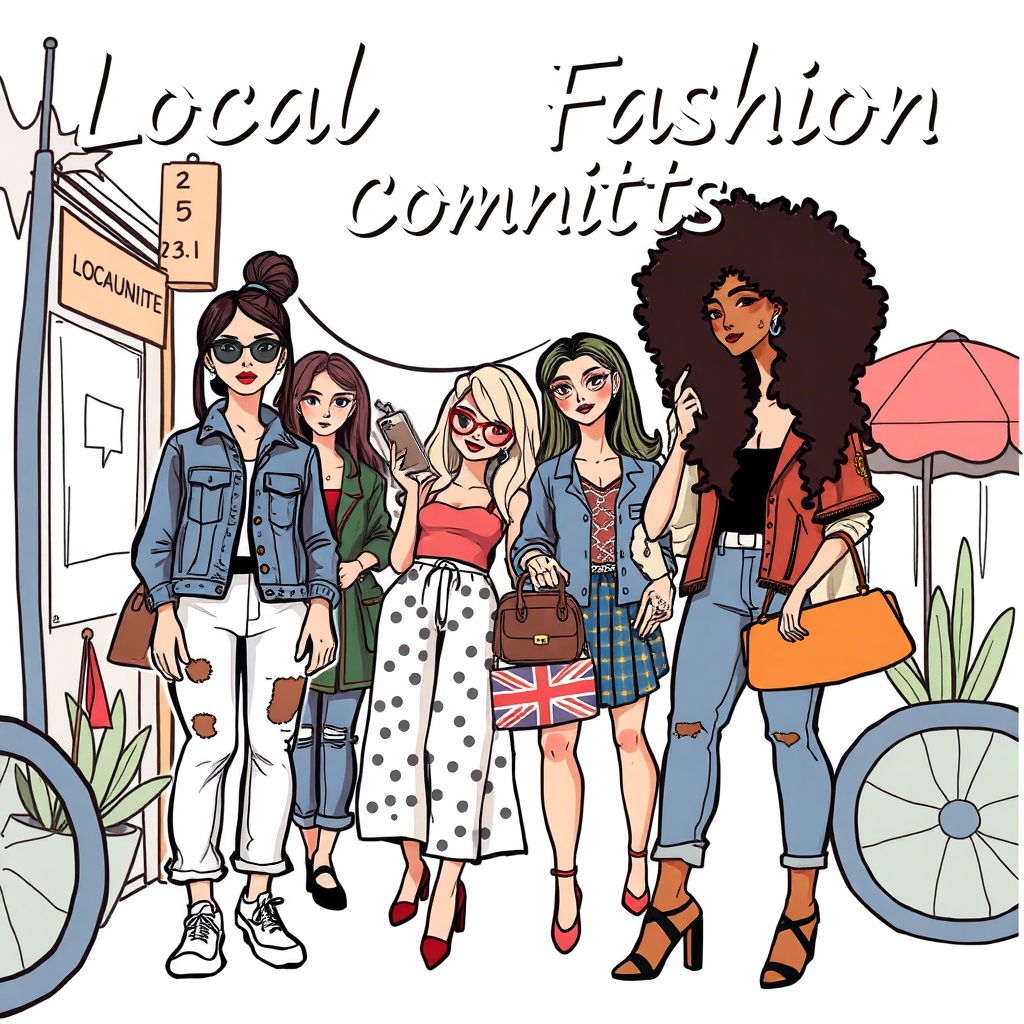
Community-driven initiatives also tend to prioritize environmentally conscious practices such as upcycling, slow production, and transparent supply chains.
How community shapes creative practice
Shared spaces—collective studios, repair cafes, and maker labs—encourage skill exchange. A seamstress can teach alteration techniques while learning pattern drafting from a graduate designer. Pop-up markets and trunk shows create immediate feedback loops that shift design cycles away from speculative mass production and toward demand-led creation. Collaborative capsule collections, swap events, and clothing repair workshops reinforce circular fashion habits and extend garments’ lifespans.
Where fashion communities gather
– Local markets and pop-up events: Weekend markets and temporary retail takeovers offer high-visibility spaces for testing new lines without long-term rents.
– Community ateliers and shared studios: These reduce overhead by sharing equipment and expertise, making production more accessible.
– Educational meetups and workshops: Skill-building sessions—pattern making, screen printing, natural dyeing—strengthen the community’s capabilities and foster mentorship.
– Digital groups and hyperlocal platforms: Neighborhood-focused social channels and marketplaces amplify discoveries and coordinate events, while keeping the local feel intact.
Practical tips for getting involved
– Attend a mix of events: Balance market visits with workshops and studio tours to build relationships with creators and gain insight into their process.
– Volunteer or barter skills: Offer photography, social media help, or bookkeeping in exchange for studio time or access to events—many groups welcome skill swaps.
– Buy with intention: Prioritize pieces that reflect thoughtful construction and transparent sourcing; small purchases help sustain local makers.
– Start small: If launching your own label, test products at pop-ups or through pre-orders to validate demand before committing to larger production runs.
How communities can grow sustainably
Encourage inclusivity by partnering with community centers and offering sliding-scale tickets for workshops. Reduce environmental impact by promoting repair services, hosting clothing swaps, and supporting local textile recycling initiatives. Cross-promotion among designers, stylists, photographers, and venues builds resilient networks that can withstand market fluctuations.
Measuring success beyond sales
A thriving local fashion community isn’t only judged by revenue. Indicators of health include active mentorship networks, frequent knowledge-sharing events, reduced waste through repair and reuse programs, and strong ties to local supply chains. When creativity is visible in storefront windows, public spaces, and social feeds, it signals a community that’s both culturally rich and economically supportive.
Joining a local fashion community opens doors to unique style, meaningful connections, and more sustainable consumption habits. Whether you’re a maker seeking collaborators or a shopper hunting for distinctive pieces, these grassroots networks offer something that mainstream fashion rarely can: a sense of belonging and a shared stake in the future of what we wear.