Winning Fashion Retail Customers: Omnichannel, Personalization & Sustainable Experiences
Customer expectations are changing fast, and fashion retailers that treat the shopping journey as a competitive advantage win loyalty and sales. Delivering a standout fashion retail experience means blending digital convenience with tactile, emotional in-store moments—so every touchpoint, from discovery to post-purchase, feels intentional and friction-free.
Omnichannel cohesion: not just presence, but continuity
Customers expect consistent product info, pricing, and inventory whether they browse on a phone, social feed, or the shop floor. Omnichannel isn’t just having multiple channels; it’s making them one connected experience. Key steps include unified inventory so customers can buy online and pick up in-store, shared wishlists, and synchronized promotions that respect the context of each touchpoint.
Personalization powered by thoughtful data use
Personalization drives conversion when it feels helpful rather than invasive. Use first-party data—browsing history, past purchases, and loyalty insights—to surface relevant styles, sizes, and complementary items. Email and push notifications should reflect customer preferences and lifecycle stage (new shopper, repeat buyer, VIP). Keep privacy and transparency top of mind: clear communication about data use builds trust and increases opt-in rates.
Immersive tech that enhances discovery
Today’s shoppers expect immersive experiences that reduce uncertainty. Augmented reality virtual try-ons and 3D product views help customers assess fit and fabric without needing to be in-store. Interactive mirrors and mobile-enabled styling stations add inspiration and enable social sharing. Importantly, technology should remove friction—fast loading, intuitive interfaces, and accurate sizing recommendations are non-negotiable.
Sustainability as experience
Sustainability is part of the retail experience, not just a product tag. Clear labeling about materials, traceability, and care instructions enriches the buying decision. Services such as repair, resale, and responsible returns programs turn sustainability into a value proposition: customers feel good about purchases that align with their values, and retailers differentiate through lifecycle services.
People and sensory design
Staff expertise remains a powerful differentiator.
Sales associates who act as stylists, backed by tablet-enabled inventory access and customer profiles, create high-value interactions.
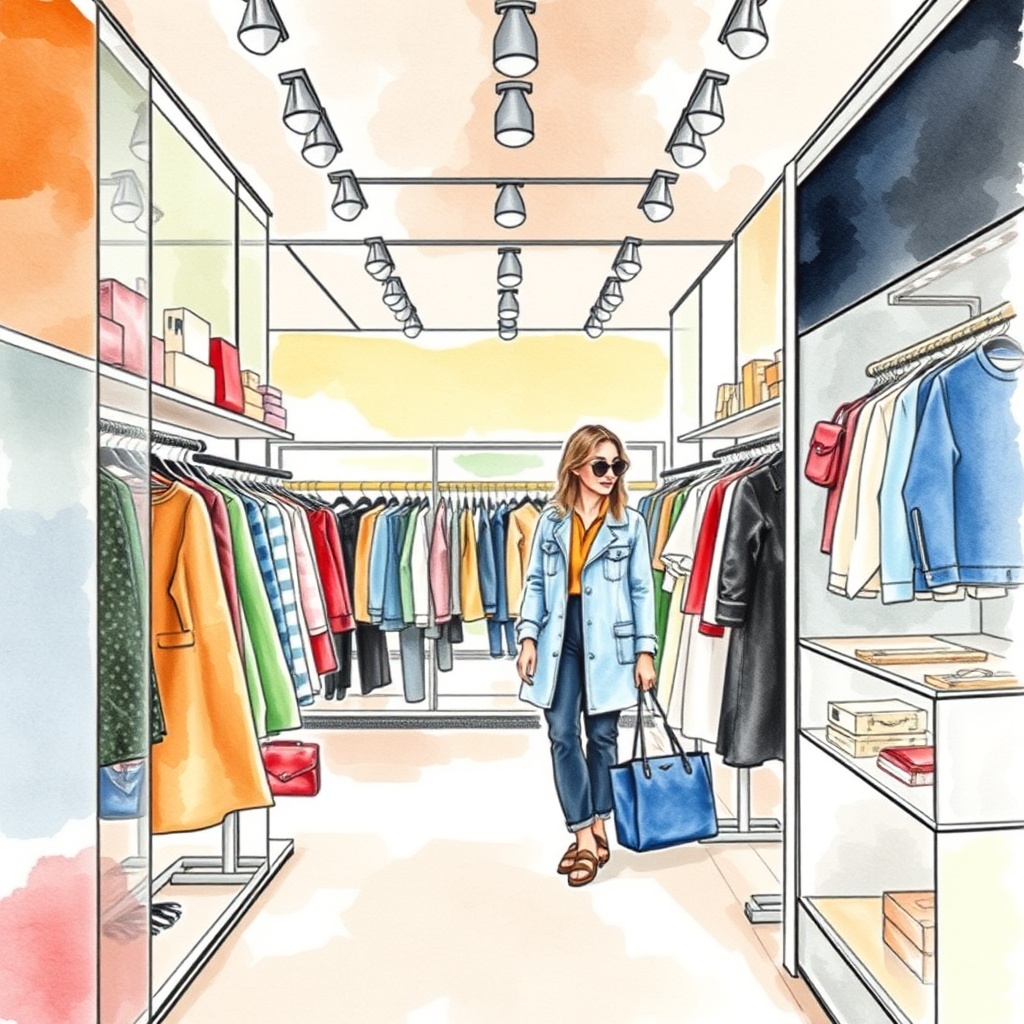
Store design should appeal to multiple senses—lighting that flatters fabric, curated playlists, and tactile displays encourage longer dwell time. Thoughtful seating, fitting-room tech, and accessible layouts make the experience inclusive and comfortable.
Streamlined checkout and returns
Frictionless payments and simple returns boost conversion and lifetime value. Offer multiple payment methods, contactless options, and guest checkout without sacrificing personalized follow-up. A transparent, fair returns policy combined with express in-store or locker returns reduces hesitation at checkout and improves repeat business.
Measure, iterate, repeat
Track experience metrics alongside sales: Net Promoter Score, conversion by channel, average order value, return rates, and time-in-store all reveal what’s working. A/B testing on merchandising, messaging, and in-store events helps refine experiences that drive both affinity and revenue.
Practical takeaways
– Map your buyer’s journey and remove duplicate steps across channels.
– Prioritize high-impact tech (accurate virtual try-on, unified inventory) before flashy add-ons.
– Train staff to combine product knowledge with digital tools for personalized service.
– Make sustainability a visible part of the shopping decision, not an afterthought.
Retailers who design experiences that feel cohesive, personalized, and trustworthy turn transactions into relationships—and the brands that get this balance right are the ones customers return to again and again.